 Free Shipping
 2-Year Warranty
 30-Day Money Back Guarantee



Why Your House Smells Musty in Summer
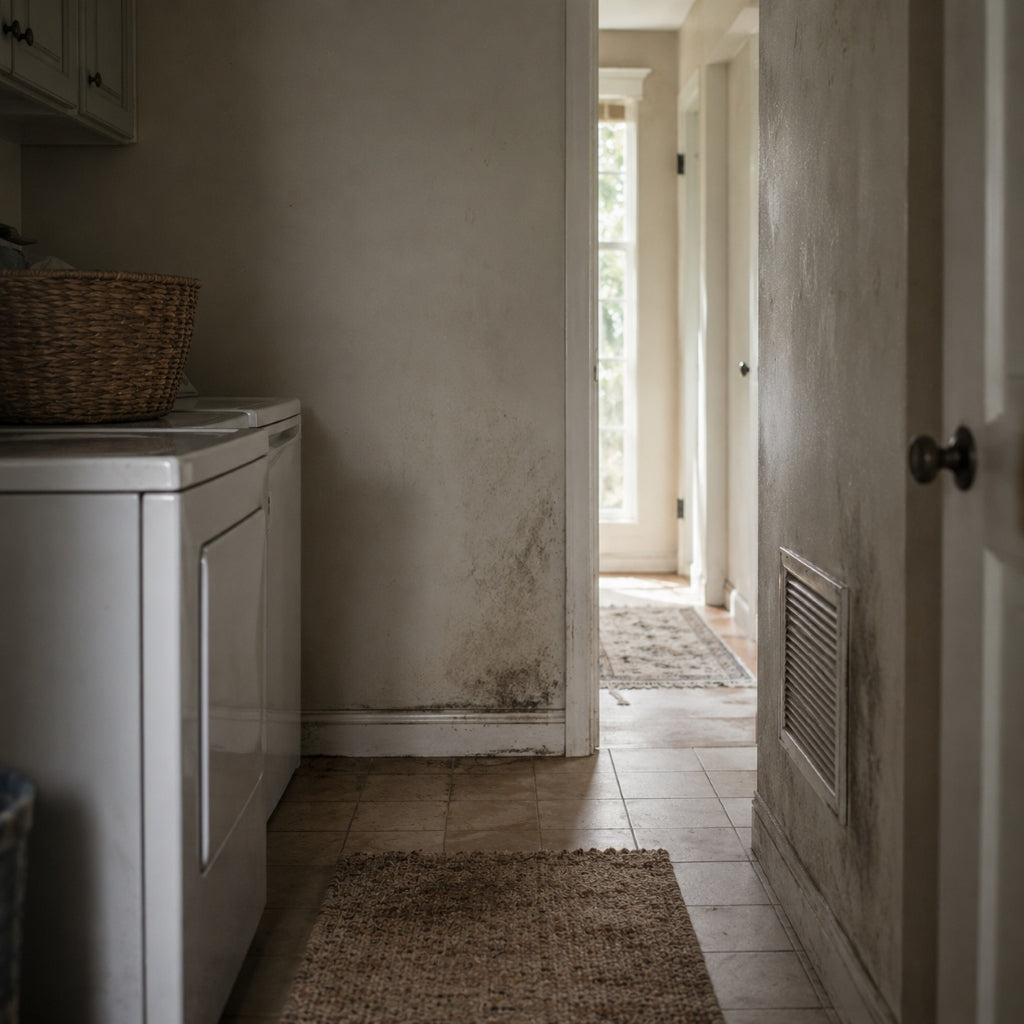
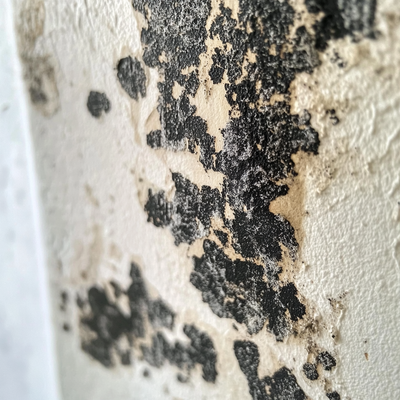
A musty smell in your house during summer is more than an unpleasant seasonal nuisance. That earthy, damp odor can be a warning that excess moisture, poor ventilation, or hidden mold 1 growth is affecting your indoor environment.
Warm temperatures and high humidity create ideal conditions for mold 1, mildew, and odor-causing microorganisms. Even when you cannot see visible growth, summer odors may develop inside basements, bathrooms, closets, HVAC systems, carpets, or other areas where moisture becomes trapped.
In this guide, we will explain why your home may smell musty in summer, where the odor may be coming from, how to address the underlying moisture problem, and how the Puraclenz Core and Photon can support cleaner air and surfaces throughout your home.
Why Does My House Smell Musty in Summer?
If you notice a musty smell in your house during summer, higher humidity is often the main reason. Warm outdoor air can hold more moisture than cold air. As humid air enters your home, it can raise indoor relative humidity and create damp conditions in areas with limited airflow.
Common causes of a musty house smell include:
- High indoor humidity
- Basement or crawl-space dampness
- Condensation around windows, pipes, or air ducts
- Plumbing or roof leaks
- Poor bathroom and kitchen ventilation
- Wet carpeting, furniture, or building materials
- Clogged HVAC condensate drains
- Mold 1 or mildew in hidden spaces
Summer air conditioning can make the situation more complicated. While an air conditioner removes some moisture from the air, an oversized, poorly maintained, or frequently cycling system may cool the home without operating long enough to adequately manage humidity.

Does a Musty Odor Always Mean Mold?
A musty odor does not automatically confirm that you have a major mold 1 problem. Damp fabrics, stale air, dusty HVAC components, wet wood, and mildew can all contribute to similar summer odors.
However, mold 1 commonly produces microbial volatile organic compounds as it grows. These compounds can create an earthy or musty smell, sometimes before visible growth becomes obvious.
Do not rely on odor alone to determine the extent of a problem. Instead, look for supporting signs such as:
- Discoloration on walls, ceilings, or flooring
- Peeling paint or bubbling drywall
- Condensation on windows or pipes
- Water stains
- Soft or warped building materials
- Recurring growth around showers or windows
- Odors that become stronger near vents, closets, or lower levels
If the smell is persistent, especially after cleaning and ventilating the room, there may be an ongoing source of moisture that needs to be found and corrected.
Where Summer Musty Odors Commonly Hide
Basements and Crawl Spaces
Basements and crawl spaces are frequent sources of a musty house smell because they are naturally cooler than the outdoor air. When warm, humid air reaches these cooler surfaces, condensation may form on concrete walls, pipes, flooring, or stored belongings.
Poor drainage, foundation seepage, exposed soil, and insufficient ventilation can make these areas especially vulnerable during summer.
Bathrooms and Laundry Rooms
Showers, baths, washing machines, and wet towels release moisture into the air. Without effective ventilation, water can remain on grout, drywall, flooring, and fabrics long enough to encourage mildew and mold 1 growth.
Check behind toilets, beneath sinks, around tubs, and near washing-machine connections for slow leaks or damp materials.
HVAC Systems and Air Ducts
Your air-conditioning system produces condensation as it cools the air. A blocked drain line, dirty evaporator coil, wet drain pan, or damp insulation can contribute to odor near HVAC equipment.
Because the HVAC system circulates air throughout the home, an odor that begins near the equipment or a return vent may become noticeable in several rooms.
Closets and Closed Rooms
Closets, guest rooms, and other infrequently used spaces may receive less airflow than the rest of the house. Shoes, clothing, cardboard boxes, and stored fabrics can absorb moisture and develop stale or musty odors.
Avoid packing belongings tightly against exterior walls, particularly in humid areas or lower levels of the home.
Carpets and Upholstered Furniture
Carpet, padding, mattresses, and upholstered furniture can retain moisture after spills, flooding, carpet cleaning, or prolonged exposure to humid air. Odors may remain even when the surface feels dry.
Materials affected by contaminated water or extensive mold 1 growth may need to be professionally evaluated or replaced.
How to Get Rid of a Musty House Smell
Air fresheners, scented candles, and odor sprays may temporarily cover summer odors, but they do not correct the moisture or contamination creating them. For lasting improvement, identify the source and address it directly.
1. Measure and Control Indoor Humidity
Use an inexpensive hygrometer to monitor the relative humidity in different areas of your home. Humidity can vary significantly between upstairs rooms, basements, bathrooms, and closed spaces.
When humidity remains elevated, consider:
- Running a properly sized dehumidifier
- Using bathroom and kitchen exhaust fans
- Keeping windows closed on very humid days
- Running the air conditioner consistently
- Improving air circulation between rooms
- Having the HVAC system inspected
2. Find and Repair Water Problems
Inspect the home for leaking pipes, foundation seepage, roof leaks, overflowing gutters, condensation, and malfunctioning appliances. A small leak can create a recurring odor when nearby drywall, insulation, or wood remains damp.
Drying the visible surface is not enough when moisture has reached the material underneath.
3. Clean Small, Appropriate Areas Safely
Minor surface mildew on nonporous materials may sometimes be cleaned using an appropriate household cleaner while following the product label and using proper protection.
Porous materials such as drywall, insulation, carpeting, and ceiling tiles can be more difficult to clean completely. Extensive growth, contaminated HVAC components, repeated water intrusion, or damage involving a large area should be evaluated by a qualified professional.
4. Improve Ventilation and Airflow
Run exhaust fans during and after showering or cooking. Leave interior doors open when practical, avoid blocking return vents, and move furniture slightly away from walls to improve circulation.
In closets and storage spaces, remove damp cardboard, wash affected fabrics, and leave enough space for air to move around stored belongings.
5. Clean the HVAC System
Replace the HVAC filter according to the manufacturer’s recommendations and inspect the condensate drain, drain pan, evaporator coil, and nearby insulation.
If musty air appears to come directly from the vents, schedule a professional inspection rather than attempting to spray fragrance or disinfectant into the ductwork.
Do Air Purifiers Help With Mold and Musty Odors?
Homeowners frequently ask, do air purifiers help with mold? An air purifier can be a useful part of a broader indoor air quality plan, but it cannot repair a leak, reduce humidity on its own, or remove established mold 1 from damaged building materials.
So, can an air purifier help with mold? The right system can help address airborne spores, particles, allergens, and certain odor-causing pollutants while you correct the underlying moisture source.
Similarly, the answer to will an air purifier help with mold depends on the technology used. Traditional filters operate only when contaminated air passes through the purifier. Technologies designed to work beyond the filter may provide additional support in the air and on exposed surfaces.
A product marketed as a mold removal air purifier should not be viewed as a replacement for physical mold 1 removal or professional remediation. Instead, an air purifier for mold can complement moisture control, cleaning, repairs, and remediation by helping manage pollutants that remain airborne or continue circulating indoors.
Puraclenz Photon for Mold-Focused Air and Surface Treatment
The Photon is designed specifically to help reduce mold 1, fungal allergens, and lingering odors in the air and on surfaces.
Rather than depending only on air passing through a filter, Photon uses patented Photocatalytic Oxidation technology to produce ions that move throughout the treated space. This allows the system to address pollutants in the air and on exposed surfaces, including areas that conventional filtration may not directly reach.
Photon features include:
- Air and surface purification
- Coverage for spaces up to 3,000 square feet
- Continuous operation for ongoing pollutant reduction
- Five fan speeds
- Dark Mode for nighttime use
- A four-hour Boost Mode for periods of elevated concern
- Reduction of mold 1 spores, fungal allergens, and lingering odors
For homeowners primarily concerned about recurring musty odors, damp rooms, or mold 1, Photon provides focused air and surface support without relying on a traditional HEPA filter.
Puraclenz Core for Comprehensive Summer Air Quality
The Core combines active PCO air and surface purification with H13 True HEPA filtration, activated carbon, and a germicidal UV-C lamp.
This combination makes Core a strong option for homes dealing with multiple summer air quality concerns, including:
- Mold 1 spores
- Musty and household odors
- Dust
- Pollen
- Pet dander
- Smoke
- VOCs
- Other airborne particles and pollutants
The True HEPA filter captures airborne particles, while activated carbon helps trap smoke, VOCs, and odors. Puraclenz PCO technology works beyond the filter to help reduce pollutants in the surrounding air and on surfaces.
For homeowners comparing the best air purifiers for mold, Core offers a more comprehensive approach than a filter-only system. It is especially appropriate when a household needs an air purifier for mold as well as support for dust, allergens, smoke, pet dander, and everyday odors.
Core or Photon: Which Mold Air Purifier Is Right for You?
The best choice depends on the pollutants you want to address and the type of purification you need.
Choose Photon When:
- Your primary concern is mold 1 and musty odors
- You want active treatment in the air and on surfaces
- You need coverage for a larger open area
- You prefer a compact, portable design
- You do not need full HEPA particle filtration
Choose Core When:
- You want PCO air and surface purification plus HEPA filtration
- Your home has mold 1, dust, allergens, smoke, or pet concerns
- You want activated carbon for odors and VOCs
- You prefer an all-in-one indoor air quality system
- You want real-time PM2.5 air quality monitoring
Searches for the best air purifier for mold, air purifier mold, or mold air purifier often produce products that rely on filtration alone. Puraclenz Core and Photon add active PCO treatment designed to work throughout the treated environment rather than only inside the machine.

Preventing Summer Musty Odors From Returning
Once the immediate odor has improved, use a routine prevention plan to keep moisture and pollutants from building up again.
- Monitor humidity throughout the summer
- Repair leaks promptly
- Dry wet materials as quickly as possible
- Use exhaust fans when bathing and cooking
- Maintain your HVAC system and condensate drain
- Replace HVAC and purifier filters on schedule
- Avoid storing damp belongings in closets or basements
- Keep air moving through closed or seldom-used rooms
- Run your Puraclenz purifier continuously as directed
The best air purifier for mold is most effective when it is part of a complete strategy. Moisture control stops the conditions that allow growth, cleaning or remediation addresses existing contamination, and continuous air purification supports cleaner air and surfaces afterward.
Final Thoughts
A musty smell in your house during summer should not be ignored or simply covered with fragrance. The odor may point to elevated humidity, trapped moisture, inadequate ventilation, or hidden mold 1 growth.
Start by locating and correcting the moisture source. Clean or remove affected materials when appropriate, improve ventilation, maintain your HVAC system, and seek professional help when the affected area is extensive or keeps returning.
When used alongside these essential steps, air purifiers for mold can help reduce airborne pollutants and support a cleaner indoor environment. Puraclenz Photon provides focused mold 1, fungal allergen, and odor support, while Puraclenz Core combines active PCO purification with HEPA, activated carbon, and UV-C technology for comprehensive summer air quality protection.
Recommended products

Core Air & Surface Purifier + HEPA
$649.99

Photon Air & Surface Purifier
$399.99
Recommended articles

