 Free Shipping
 2-Year Warranty
 30-Day Money Back Guarantee



Air Purifiers for Humidity and Mold in Summer
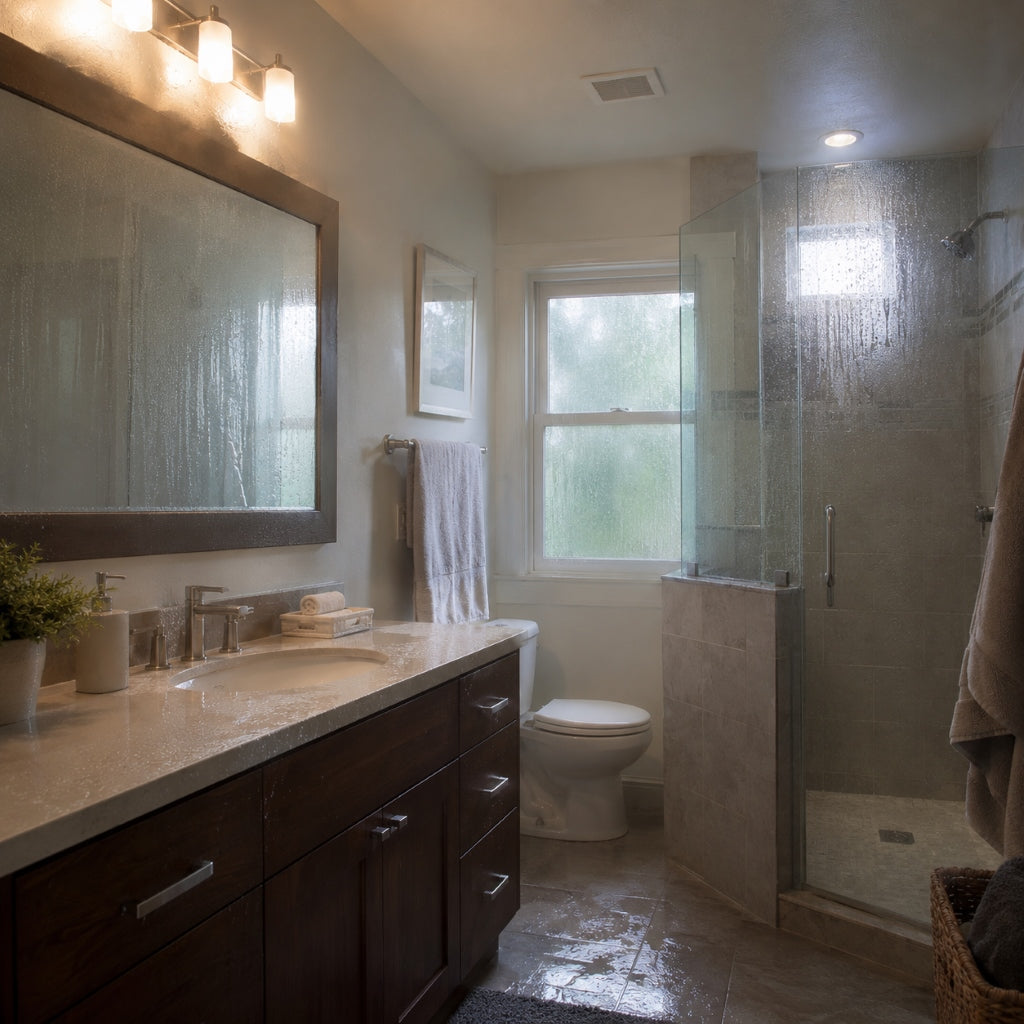
Summer brings longer days, warmer temperatures, and more time spent trying to keep your home cool. But as outdoor humidity rises, indoor moisture can become a bigger problem too. Bathrooms, basements, laundry rooms, kitchens, and HVAC systems can all become vulnerable when humidity levels stay high for too long.
That extra moisture matters because it can create conditions where mold 1 is more likely to grow. While controlling humidity should always come first, air purification can also play an important supporting role by helping reduce airborne particles, mold 1 spores, odors, and other indoor contaminants.
In this guide, we’ll look at why summer humidity can increase mold 1 concerns, how humidity mold prevention works, and how the Puraclenz Core can help support cleaner indoor air during the warmer months.
Why Summer Can Increase Mold Risk
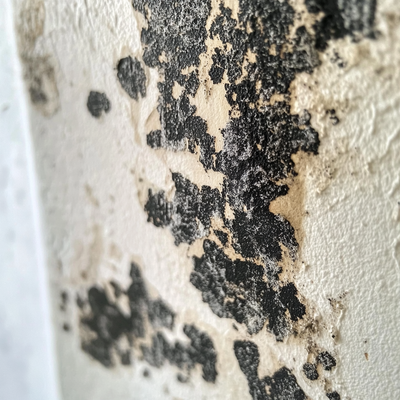
Mold 1 needs moisture to grow. During the summer, humid outdoor air can enter the home whenever doors and windows open. Moisture can also build up indoors from everyday activities like showering, cooking, doing laundry, or running an air conditioner.
Common summer moisture sources include:
- High outdoor humidity
- Condensation around windows
- Poorly ventilated bathrooms
- Laundry rooms and dryers
- Leaky plumbing
- Basements and crawl spaces
- HVAC condensation
- Cooking and showering
When humidity stays elevated for extended periods, mold 1 spores can settle on damp surfaces and begin to grow. Many indoor air quality experts recommend keeping indoor relative humidity below 50% to help reduce the conditions that support mold 1 growth.
Once mold 1 begins growing, it can release additional spores into the air. Those spores can circulate through the home and contribute to indoor air quality concerns, especially in rooms with poor airflow or ongoing moisture issues.

Do Air Purifiers Help with Mold?
One of the most common questions homeowners ask is whether air purifiers help with mold. The answer depends on what you expect the air purifier to do.
An air purifier cannot fix the source of a moisture problem. It also cannot replace proper cleaning, repairs, or professional remediation when visible mold 1 growth is already present. If water intrusion, leaks, or high humidity are not addressed, mold 1 can continue to develop.
However, a quality air purifier for mold can help reduce airborne mold 1 spores and other particles that move through the air. That makes air purification a helpful part of a larger indoor air quality plan, especially during humid summer months.
HEPA filtration is especially useful because it captures small airborne particles, including dust, pollen, allergens 4, and mold 1 spores. Some systems also include additional technologies that help address odors, VOCs, and pollutants that filtration alone may not fully manage.
The Foundation: Humidity Mold Prevention
Air purification can help improve the air you breathe, but humidity control is still the foundation of mold 1 prevention. If the indoor environment stays too damp, mold 1 is more likely to become an ongoing issue.
Effective humidity mold prevention strategies include:
- Keeping indoor humidity between 30% and 50%
- Using dehumidifiers in damp areas
- Repairing leaks as soon as possible
- Improving ventilation in bathrooms and kitchens
- Maintaining your HVAC system regularly
- Cleaning surfaces where condensation tends to form
- Using air purification to help reduce airborne spores and particles
Think of moisture control as the first line of defense. Air purification adds another layer of support by helping reduce airborne contaminants that can circulate from room to room.
What to Look for in an Air Purifier for Mold
If you are comparing air purifiers for mold, it helps to look for a system that does more than move air through a basic filter. The right features can make a meaningful difference in how well the purifier supports your home’s indoor air quality.
True HEPA Filtration
An air purifier with a HEPA filter can capture very small airborne particles, including mold 1 spores, dust, pollen, and other allergens 4. This is one of the most important features to look for when mold 1 spores and airborne particles are a concern.
Activated Carbon Filtration
Activated carbon helps reduce odors and certain VOCs that can contribute to stale, musty, or unpleasant indoor air. This can be especially helpful in basements, laundry areas, and rooms that tend to feel damp or closed off.
Strong Airflow and Coverage
Coverage matters. Choose an air purifier that is designed for the size of the room or area where you plan to use it. Larger spaces, open floor plans, and finished basements may require more coverage than a small bedroom or office.
Multiple Purification Technologies
Some of the best air purifiers for mold 1 combine multiple technologies to address different types of indoor pollutants. Filtration can capture airborne particles, while other technologies may help address odors, VOCs, and pollutants in the surrounding environment.
Why Choose the Puraclenz Core
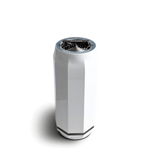
If you are looking for an air purifier for mold concerns during humid summer months, the Core offers a comprehensive approach that goes beyond traditional filtration alone.
The Core includes five stages of purification:
- Patented PCO Purification technology
- Pre-filter
- H13 True HEPA filtration
- Activated carbon filtration
- UV-C technology
The H13 True HEPA filter captures 99.97% of particles down to 0.1 microns, including dust, pollen, mold 1, bacteria 3, and allergens 4. The activated carbon filter helps reduce odors and VOCs, while UV-C technology works inside the system to support purification.
Unlike filtration-only systems, the Core also uses patented PCO Purification technology to actively treat pollutants in the air and on exposed surfaces throughout the coverage area. Independent testing reports reductions of airborne mold 1 and surface fungus spores.
Coverage for Larger Areas
Humidity problems do not always stay in one room. Moisture can affect basements, bathrooms, bedrooms, living areas, and HVAC-connected spaces throughout the home.
The Core provides:
- PCO coverage up to 3,000 square feet
- HEPA coverage up to 1,575 square feet in one hour
- Automatic air quality monitoring
- Auto mode fan adjustment
- Energy-efficient operation
These features make the Core a strong option for open-concept living areas, finished basements, larger bedrooms, and other spaces where summer humidity and indoor air quality concerns may overlap.
Are Air Purifiers Worth It During Humid Summers?
For homeowners dealing with summer humidity, an air purifier can be worth it when it is used as part of a broader indoor air quality strategy.
The key is understanding what an air purifier can and cannot do. It can help reduce airborne contaminants like dust, pollen, allergens 4, odors, and mold 1 spores. But it should be paired with humidity control, leak repair, proper ventilation, and source removal when mold 1 is already present.
For many homes, the best approach is not choosing between moisture control and air purification. It is using both together.
The Benefits of a Quiet Air Purifier
During the summer, many homeowners run their air purifier for longer periods of time to help maintain cleaner indoor air. That makes noise level an important factor.
A quiet air purifier is easier to use in bedrooms, living rooms, home offices, and shared spaces without becoming disruptive. The Core includes Sleep Mode operation as low as 23 dB, along with Dark Mode settings that turn off display lights for nighttime comfort.
That means the Core can continue working while you sleep, relax, or work from home.

A Better Way to Manage Summer Indoor Air Quality
Summer humidity can make indoor air feel heavier, mustier, and less comfortable. More importantly, it can create conditions that allow mold 1 to grow if moisture is not properly controlled.
The most effective approach is to reduce excess moisture first. Keep humidity in a healthy range, repair leaks quickly, improve ventilation, and address any visible mold 1 growth at the source.
From there, a high-quality air purifier can help support cleaner air by reducing airborne mold 1 spores, allergens 4, odors, and other particles that may circulate throughout your home.
Conclusion
Summer humidity can create conditions that support mold 1 growth, which makes moisture management an important part of protecting indoor air quality. While no air purifier can replace proper humidity control or mold 1 remediation, the right system can help reduce airborne spores and other indoor pollutants.
The Puraclenz Core combines H13 True HEPA filtration, activated carbon filtration, UV-C technology, and patented PCO Purification technology to support cleaner air and exposed surfaces throughout the coverage area. Paired with smart humidity mold prevention practices, it can help your home feel cleaner, fresher, and better prepared for humid summer conditions.
Recommended products

Core Air & Surface Purifier + HEPA
$649.99
Recommended articles

