 Free Shipping
 2-Year Warranty
 30-Day Money Back Guarantee



How to Remove Musty Smells in Warm Weather
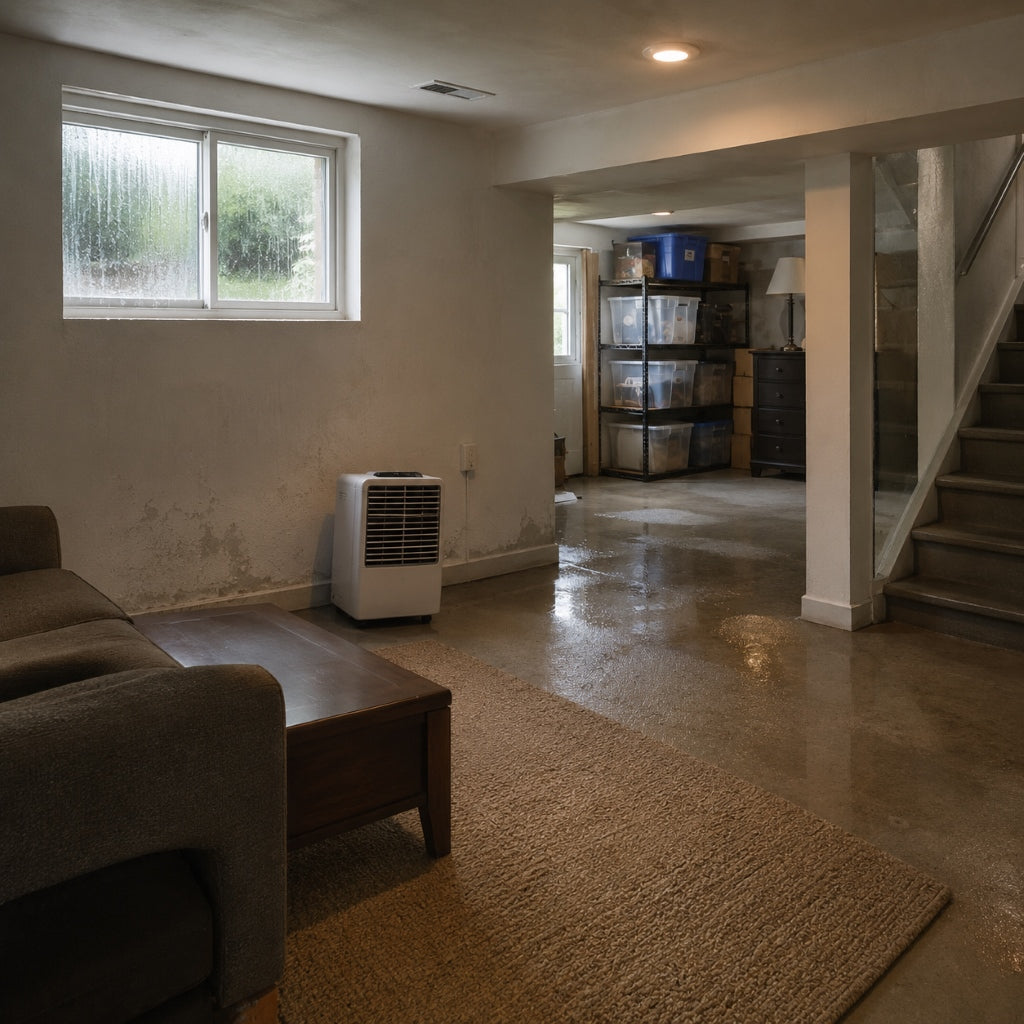
Warm weather brings longer days, open windows, and more time spent indoors with air conditioning running. Unfortunately, it can also make musty odors around the home more noticeable.
If you've noticed a damp, stale smell in your basement, bedroom, bathroom, or living area during the summer months, you're not alone.
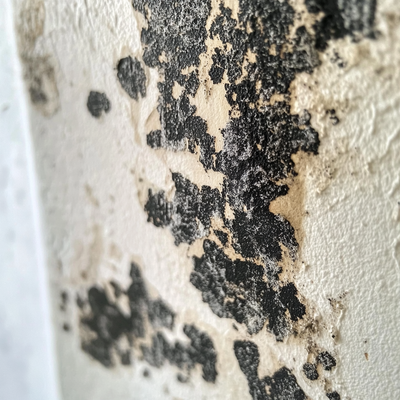
Musty smells often become more noticeable when humidity levels rise. Excess moisture in the air can contribute to conditions that support mold 1 growth, lingering odors, and poor indoor air quality. Understanding the connection between humidity and indoor odors can help you create a fresher, more comfortable living environment throughout the warmer seasons.
Why Homes Smell Musty During Warm Weather
Warm air naturally holds more moisture than cool air. As humidity increases indoors, moisture can accumulate in carpets, furniture, drywall, closets, crawl spaces, and HVAC systems.
Common causes of musty odors include:
- High indoor humidity
- Poor ventilation
- Damp basements and crawl spaces
- Wet building materials
- Condensation around windows and pipes
- Hidden mold 1 growth
- Accumulated dust and organic debris
Even when visible mold 1 is not present, odor-causing particles and volatile organic compounds (VOCs) can circulate throughout the home, creating that familiar damp smell.

The Connection Between Humidity and Mold
Humidity is one of the most important factors affecting indoor air quality during warm weather. When indoor humidity consistently rises above recommended levels, moisture can accumulate on surfaces and in hidden areas.
That is why humidity control is an important part of mold 1 prevention and summer indoor air quality.
Excess moisture may contribute to:
- Mold 1 growth in damp areas
- Increased fungal allergens 1
- Lingering odors
- Dust mite activity
- Stale indoor air
Controlling humidity helps reduce the conditions that contribute to odor issues and indoor air quality concerns.
Where Musty Smells Commonly Originate
Basements
Basements are often the first place homeowners notice musty odors. Ground moisture, limited airflow, and cooler surfaces can create damp conditions.
HVAC Systems
Air conditioning systems remove moisture from the air, but dirty ducts, clogged filters, and condensation buildup can contribute to unpleasant smells.
Bathrooms
Bathrooms regularly experience elevated humidity levels from showers and baths. Without proper ventilation, moisture can linger long after use.
Closets and Storage Areas
Poor air circulation can allow moisture and odors to become trapped in enclosed spaces.
Laundry Rooms
Warm temperatures combined with moisture from washing machines and dryers can create conditions that encourage odor buildup.
Do Air Purifiers Help with Mold?
One of the most common questions homeowners ask is: Do air purifiers help with mold 1?
The answer depends on the type of air purifier and the conditions within the home.
A quality air purifier for mold 1 can help reduce airborne particles associated with mold 1, dust, pollen, and allergens 4. However, air purification should be used alongside moisture control measures because excess humidity is often the underlying issue.
For homeowners looking for the best air purifier for mold 1 and musty odors, it is important to choose a system that helps address both airborne particles and odor-causing pollutants.
An air purifier can be a helpful part of a broader indoor air quality strategy, especially in humid areas of the home. The key is pairing air purification with proper ventilation, humidity control, and addressing any moisture problems at the source.
How the Puraclenz Core Helps Combat Musty Odors
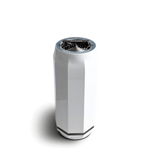
The Puraclenz Core was designed to address a wide range of indoor air quality concerns commonly associated with warm weather conditions, including odors, airborne particles, VOCs, dust, pet dander, pollen, mold 1, and allergens 4.
Unlike traditional filtration-only systems, the Core combines multiple purification technologies into a comprehensive five-stage purification process.
H13 True HEPA Filtration
The H13 True HEPA filter captures 99.97% of airborne particles down to 0.1 microns, including dust, pollen, pet dander, mold 1, and allergens 4.
Activated Carbon Filtration
Activated carbon helps absorb odors and VOCs that often contribute to stale indoor air and musty smells.
PCO Purification Technology
The Core features patented Photocatalytic Oxidation (PCO) technology that generates ions designed to inactivate pollutants in the air and on surfaces.
UV-C Purification
The UV-C component helps reduce pollutants that become trapped in or pass through the filtration system.
Air Quality Monitoring
The Core continuously monitors airborne particle levels and automatically adjusts fan speed when pollution levels increase.
Why Homeowners Consider an Air Purifier for Mold and Musty Odors
During humid seasons, many homeowners begin looking for a mold air purifier because they are dealing with persistent odors, visible mold 1, excess humidity, or declining indoor air quality.
While no air purifier replaces proper moisture management or professional remediation when needed, the right system can help reduce airborne particles and pollutants that contribute to stale, uncomfortable indoor air.
For homes with recurring musty smells, combining humidity control with advanced air purification can help support a cleaner, fresher indoor environment.
Additional Tips for Humidity and Mold Prevention
Removing musty smells often requires a multi-step approach.
Maintain Proper Humidity Levels
Aim to keep indoor humidity between 30% and 50% whenever possible.
Use Exhaust Fans
Run bathroom and kitchen exhaust fans during and after activities that generate moisture.
Inspect for Leaks
Check plumbing, roofs, windows, and foundations for water intrusion.
Improve Airflow
Use ceiling fans and ensure adequate circulation throughout the home.
Clean HVAC Components
Replace filters regularly and schedule routine HVAC maintenance.
Address Water Damage Quickly
Prompt attention to moisture issues can help reduce odor problems before they become more significant.

Create a Fresher Home This Summer
Musty smells are often one of the first signs that humidity levels may be affecting your indoor environment. By focusing on humidity control, improving ventilation, and using advanced air purification technologies, you can create a fresher indoor space throughout the warm-weather months.
If you're searching for an air purifier for mold 1 and odor management, the Core combines H13 True HEPA filtration, activated carbon filtration, PCO purification, UV-C technology, and intelligent air quality monitoring to help reduce a broad range of indoor pollutants, odors, mold 1, allergens 4, and airborne particles commonly associated with humid summer conditions.
When paired with proper moisture management, the Puraclenz Core can be an important part of your strategy for cleaner indoor air and a more comfortable home all season long.
Recommended articles

