 Free Shipping
 2-Year Warranty
 30-Day Money Back Guarantee



Mid-Summer Indoor Air Quality Checklist for a Cleaner, Fresher Home
By mid-summer, heat, humidity, pollen, wildfire smoke, and increased air-conditioning use may begin to affect the air inside your home. Dust can accumulate more quickly, moisture can collect in hidden areas, and everyday activities such as cooking, cleaning, and entertaining can introduce additional indoor pollutants.
Taking time to evaluate your home’s indoor environment can help you identify potential problems, reduce common pollutants, and keep your home feeling cleaner and more comfortable throughout the hottest months.
Whether you are preparing for guests, returning from vacation, or completing routine home maintenance, a few practical changes can support better summer indoor air quality.
Puraclenz Core and Photon use patented PCO purification technology that works alongside traditional filtration and regular household cleaning to help address pollutants in the air and on exposed surfaces.

Why Indoor Air Quality Can Change During Summer
By the middle of summer, your home may have experienced several weeks of frequent air-conditioning use, elevated humidity, increased pollen, poor outdoor air quality, and more foot traffic.
Wildfire smoke, cooking, entertaining, pets, and doors opening throughout the day can also introduce additional particles and odors into the home.
Over time, these conditions may contribute to the accumulation of dust, VOCs, odors, mold 1 spores, allergens 4, and other airborne pollutants.
A mid-season indoor air quality inspection can help you identify moisture, ventilation, filtration, and cleaning issues before they become more difficult to manage.
Manage Indoor Humidity and Excess Moisture
Humidity is one of the most important indoor air quality factors to monitor during summer. Warm outdoor air, plumbing leaks, showers, cooking, and inadequate ventilation can all increase moisture levels inside the home.
Aim to keep indoor relative humidity between 30% and 50%. A small hygrometer can help you monitor humidity levels in basements, bedrooms, bathrooms, and other moisture-prone spaces.
Empty dehumidifier reservoirs regularly, repair plumbing leaks promptly, and check basements and crawl spaces for signs of excess moisture.
Everyday habits can also make a difference. Run bathroom exhaust fans during and after showers, use kitchen ventilation while cooking, dry wet towels promptly, and avoid leaving damp laundry sitting indoors.
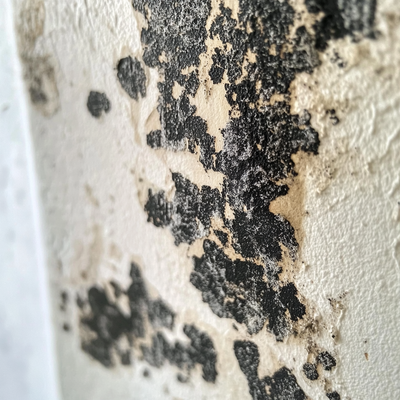
Excess moisture can create musty odors and support the growth of mold 1 and mildew 1, particularly in areas with limited airflow.
Inspect Your HVAC Filter and Air Vents
Your HVAC system typically runs more frequently during summer, which means its filter may collect particles more quickly.
Inspect the filter at least once a month and replace it according to the manufacturer’s instructions. Homes with pets, recent renovation work, heavy pollen, wildfire smoke exposure, or significant dust may require more frequent filter changes.
A clean HVAC filter supports proper airflow and helps capture larger airborne particles before they circulate throughout the home.
Dust can also accumulate around supply vents, return-air vents, ceiling registers, and floor registers. Use a vacuum with a soft brush attachment to clean the vents, nearby walls, and baseboards without pushing dust deeper into the system.
Keeping these areas clean can reduce visible dust and help maintain unobstructed airflow.
Look for Moisture in Hidden Areas
Leaks and moisture problems often begin in areas that are not part of a regular cleaning routine.
Inspect behind washing machines and refrigerators, around toilets and dishwashers, beneath sinks, inside bathroom vanities, and near basement storage areas.
Warning signs may include musty odors, condensation, water stains, soft building materials, discoloration, or visible mold 1 and mildew 1.
When you find moisture, address the source before cleaning or repairing the affected area. Simply covering a stain or masking an odor will not resolve an active leak or humidity problem.
Remove Dust and Allergens From Soft Surfaces
Carpets, rugs, bedding, curtains, and upholstered furniture can collect particles brought in from outdoors or generated inside the home.
These surfaces may hold dust, pollen, pet dander, allergens 4, and small pieces of outdoor debris.
Vacuum carpets, rugs, and upholstered furniture regularly using a well-maintained vacuum. High-traffic areas and homes with pets may benefit from vacuuming twice a week or more often.
Bedding can also collect pollen, dust, body oils, and perspiration during warm weather. Wash sheets, pillowcases, blankets, mattress protectors, and washable pet bedding regularly.
Follow each item’s care instructions and use the warmest appropriate water setting to help remove accumulated dust and allergens 4.
Prevent Outdoor Pollutants from Spreading Indoors
Shoes, pets, packages, and frequently opened doors can bring pollen, grass, dirt, and dust into the home.
Place durable mats inside and outside exterior doors, remove shoes near the entrance, and vacuum entry rugs frequently. Wiping pets’ paws after outdoor activity may also help prevent debris from spreading into living spaces.
During periods of wildfire smoke, heavy pollen, or poor outdoor air quality, keep doors and windows closed when possible. Running an appropriately maintained HVAC system and air purifier can help reduce pollutants that enter the home.
Pay Attention to Persistent Indoor Odors
Lingering odors may indicate a ventilation, moisture, cleaning, or indoor air quality problem.
Musty smells may point to excess moisture or hidden mold 1, while chemical odors may come from cleaning products, paint, furniture, flooring, or other sources of VOCs.
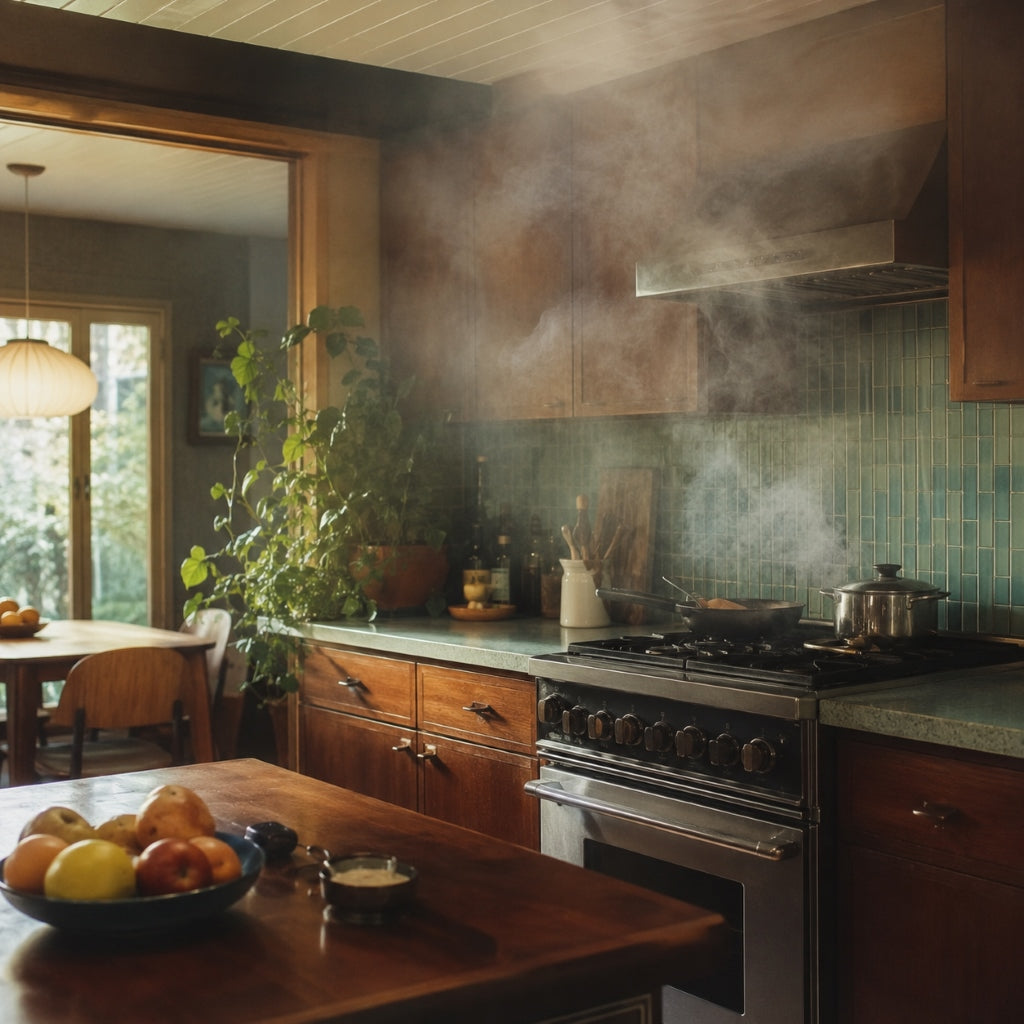
Persistent cooking smells, smoke odors, and stale air may indicate that the home needs better source control, ventilation, or air purification.
Begin by identifying and removing the source whenever possible. Cleaning, moisture control, kitchen and bathroom ventilation, and activated carbon filtration may also help reduce certain odor-causing pollutants and VOCs.
Maintain Your Air Purifier During Summer
If you use an air purifier, mid-summer is a good time to make sure it is operating properly.
Check filters and replace them when needed, clean the intake and outlet grilles, and remove nearby objects that could restrict airflow. Review any maintenance indicators and confirm that the unit is appropriately sized for the space.
Homeowners often ask, “Are air purifiers worth it?” The answer depends on the pollutants in your home, the purification technology, the unit’s coverage, and how consistently it operates.
An appropriately sized air purifier can complement source control, regular cleaning, ventilation, humidity management, and HVAC maintenance by continuously reducing certain airborne pollutants.
Is an Air Purifier with a HEPA Filter Enough?
Many homeowners search for an air purifier with a HEPA filter because HEPA filtration is designed to capture very small airborne particles that pass through the unit.
However, filtration only addresses particles that enter the purifier. Pollutants may also settle on furniture, flooring, walls, and other exposed surfaces.
Puraclenz Core combines H13 True HEPA filtration with patented PCO purification technology. The HEPA filter captures airborne particles passing through the unit, while the PCO system is designed to help address pollutants in the air and on exposed surfaces throughout the treatment area.
Core also includes activated carbon filtration for odor and VOC reduction, plus automatic air quality monitoring that adjusts operation as indoor conditions change.

Puraclenz Core for Multi-Stage Air and Surface Purification
Puraclenz Core combines five-stage purification, patented PCO technology, H13 True HEPA filtration, activated carbon filtration, UV-C technology contained inside the unit, and automatic air quality sensing.
The system provides PCO treatment for spaces up to approximately 3,000 square feet and can filter the air in an area up to 1,575 square feet once per hour.
For homeowners looking for a quiet air purifier, Core operates as low as 23 dB in Night Mode, making it suitable for bedrooms and other spaces where lower noise levels are preferred.
Adding PCO Purification to an Existing HEPA System
Homeowners who already use a HEPA air purifier may want to add another type of purification technology without replacing their existing system.
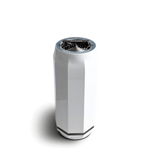
Puraclenz Photon is designed to complement existing HEPA filtration by adding patented PCO purification technology to the indoor environment.
Photon continuously produces airborne ions that travel throughout the treatment area to help reduce pollutants in the air and on exposed surfaces. It can be used alongside an existing HEPA air purifier, HVAC filter, and regular household cleaning.
Creating a Cleaner Indoor Environment All Summer
Improving indoor air quality does not depend on a single product or household task. The most effective approach combines moisture control, source removal, cleaning, ventilation, HVAC maintenance, and air purification.
Monitoring humidity, replacing dirty filters, cleaning dust-prone surfaces, inspecting hidden areas, and addressing persistent odors can help reduce common indoor air quality problems before they become more difficult to manage.
With consistent maintenance and an appropriately sized air purifier, you can help keep your home feeling cleaner, fresher, and more comfortable throughout the summer.
Recommended products

Core Air & Surface Purifier + HEPA
$649.99

Photon Air & Surface Purifier
$399.99
Recommended articles

