 Free Shipping
 2-Year Warranty
 30-Day Money Back Guarantee



Summer Mold Growth: Where It Hides and How to Stop It
Summer is the season for open windows, family gatherings, vacations, and warm weather. It is also one of the busiest times of the year for mold 1 growth indoors. If you've noticed a musty smell house summer issue that seems to return every year, you're not imagining it.
Higher humidity, warm temperatures, and increased moisture create ideal conditions for mold 1 to thrive in places you rarely see. Even when visible mold 1 isn't present, airborne particles and musty odors can make indoor spaces feel stale.
Understanding where mold 1 hides, why it becomes more active during summer, and how to manage indoor air quality can help reduce recurring odor problems and airborne pollutants.
Why Summer Encourages Mold 1 Growth
Summer naturally brings more moisture into homes. Air conditioning systems cool indoor air, but temperature differences between indoor and outdoor environments can create condensation. Combined with humidity mold growth conditions, this moisture allows mold 1 to develop on many common surfaces.
Factors that contribute include:
- High outdoor humidity entering the home
- Condensation around windows and pipes
- Damp basements and crawl spaces
- Bathrooms with inadequate ventilation
- Laundry rooms
- HVAC systems collecting moisture
- Wet towels, clothing, and carpets
- Water leaks that remain unnoticed
The longer moisture remains, the greater the opportunity for mold 1 growth.

Hidden Places Mold 1 Likes to Grow
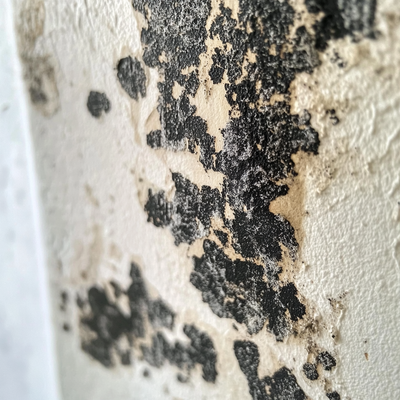
Many homeowners only think about mold 1 when they see black spots on walls. In reality, mold 1 often develops in concealed areas.
Behind Furniture
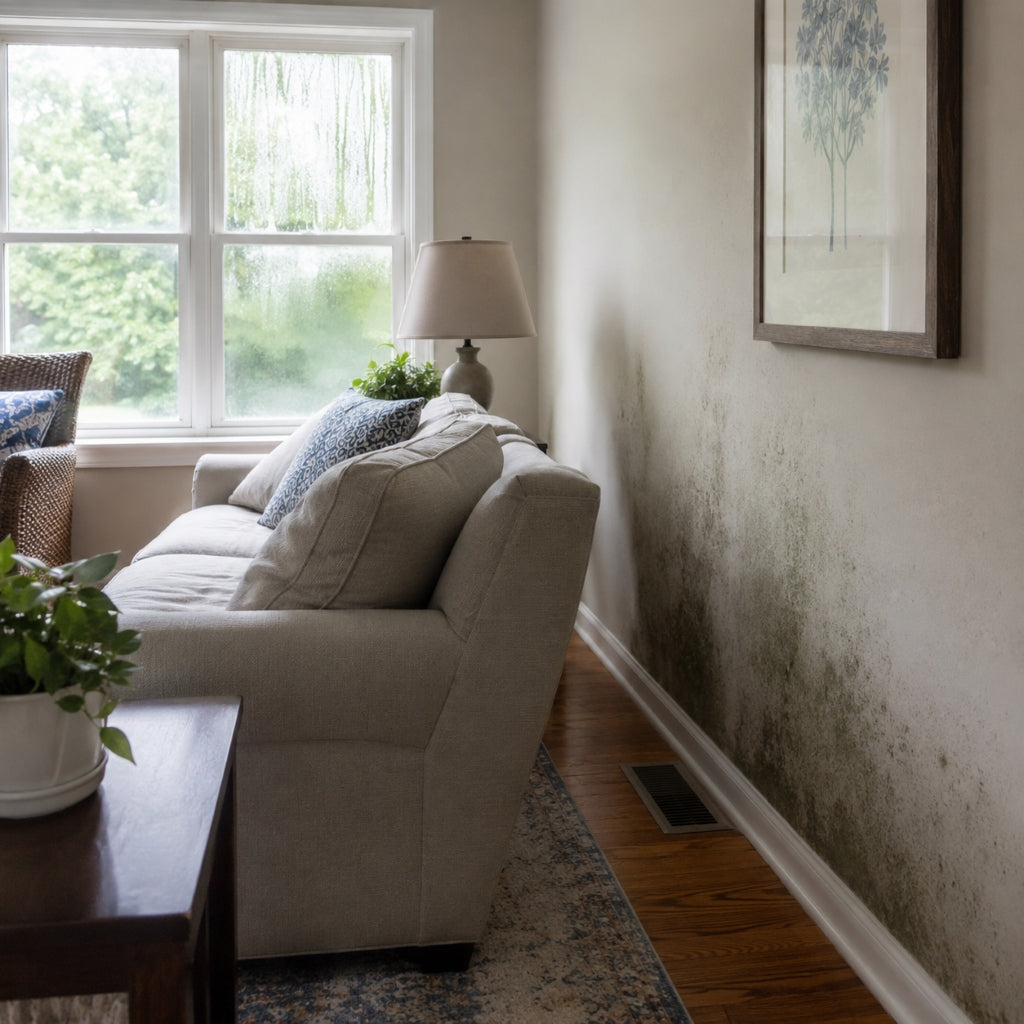
Furniture placed against exterior walls limits airflow. Warm, humid air can become trapped, allowing moisture to collect behind couches, beds, and cabinets.
Inside HVAC Systems
Air conditioners naturally remove moisture from indoor air. Drain pans, evaporator coils, filters, and ductwork may accumulate moisture if maintenance is neglected, allowing mold 1 to grow.
Under Sinks
Minor plumbing leaks often go unnoticed for months. Even slow drips can create consistently damp environments.
Basements
Basements frequently experience elevated humidity throughout the summer, making them one of the most common locations for mold 1.
Bathrooms
Steam from showers combined with limited ventilation creates ideal conditions for mold 1 around grout, ceilings, and exhaust fans.
Closets
Poor airflow combined with stored fabrics can trap moisture, especially on exterior walls.
Why Your House Smells Musty in Summer
A musty smell house summer problem is often one of the earliest signs that mold 1 or mildew 1 may be present somewhere in the home.
That odor comes from microbial volatile organic compounds, also known as MVOCs, which are released as mold 1 grows. Even if the source remains hidden behind drywall or inside HVAC equipment, these compounds can circulate throughout your home.
If the smell becomes stronger after rain, during humid days, or when the air conditioner first turns on, moisture is likely contributing to the problem.
Mold 1 Prevention Starts with Moisture Control
While no single solution addresses every source of mold 1, these mold prevention practices can help reduce moisture and improve indoor air quality.
Control Indoor Humidity
Aim to keep indoor humidity between 30% and 50%. Dehumidifiers can be helpful in damp areas such as basements.
Improve Ventilation
Use exhaust fans during showers and while cooking. Allow fresh air to circulate whenever outdoor conditions permit.
Repair Water Leaks Promptly
Address leaking pipes, roofs, windows, and appliances before moisture accumulates.
Clean Moisture-Prone Areas
Regularly inspect bathrooms, laundry rooms, basements, and window frames for moisture buildup or mold 1 stains.
Maintain HVAC Equipment
Replace filters as recommended and schedule routine inspections to reduce moisture accumulation inside the system.
Do Air Purifiers Help with Mold 1?
Many homeowners wonder whether an air purifier can help with mold. The answer is that air purification can help reduce airborne mold particles that circulate through indoor spaces, but it does not fix the moisture problem that allows mold to grow in the first place.
That means air purifiers work best as part of a larger mold prevention strategy. Moisture issues, leaks, and high humidity should always be corrected first. Once the source of moisture is addressed, continuous air purification can help support cleaner indoor air by reducing airborne pollutants that may still move through the home.
For the best results, combine moisture control, proper ventilation, routine cleaning, and continuous air purification.
Puraclenz Core: Advanced Air Purification for Everyday Living
The Core is designed to support cleaner indoor air in the spaces where you spend the most time, including bedrooms, family rooms, home offices, and other everyday living areas.
It combines advanced PhotoCatalytic Oxidation purification technology with high-efficiency filtration to help reduce airborne pollutants as air passes through the unit. This makes it a strong option for homeowners looking for an air purifier for mold, allergens, odors, and general indoor air quality concerns.
For those searching for the best air purifier for mold or a mold air purifier that can run continuously in occupied spaces, the Core offers quiet, everyday air purification as part of a broader home wellness strategy. Core provides continuous air purification designed to reduce airborne pollutants commonly found indoors, including airborne mold 1 particles.
Puraclenz Photon for Moisture-Prone Spaces
Some areas of the home require more focused air purification because moisture is difficult to eliminate completely.
The Photon is designed for enclosed environments such as:
- Bathrooms
- Basements
- Laundry rooms
- Crawl spaces
- Utility rooms
- Closets
- Storage rooms
Using advanced PCO purification technology, the Photon continuously reduces airborne pollutants while helping combat the conditions associated with recurring musty odors.
Many homeowners choose to pair the Photon with the Core for more complete whole-home air purification.

A Whole-Home Strategy Works Best
Managing summer mold 1 requires more than addressing visible growth.
An effective approach includes:
- Monitoring indoor humidity
- Repairing water leaks promptly
- Maintaining HVAC equipment
- Improving ventilation
- Cleaning moisture-prone areas regularly
- Using continuous air purification
Together, these practices help reduce airborne pollutants while addressing the environmental conditions that encourage mold 1 growth.
Final Thoughts
Summer warmth and humidity can quickly turn hidden moisture into persistent musty odors. Because mold 1 often develops in concealed areas, many homeowners don't realize there's a problem until odors become noticeable.
By controlling humidity, maintaining your home, and using advanced air purification technologies like the Puraclenz Core throughout living spaces and the Puraclenz Photon in moisture-prone areas, you can reduce airborne pollutants and help combat the conditions that contribute to recurring summer odor issues.
Recommended products

Core Air & Surface Purifier + HEPA
$649.99

Photon Air & Surface Purifier
$399.99
Recommended articles

