 Free Shipping
 2-Year Warranty
 30-Day Money Back Guarantee



Preparing Your Home for Summer Indoor Air Quality Changes
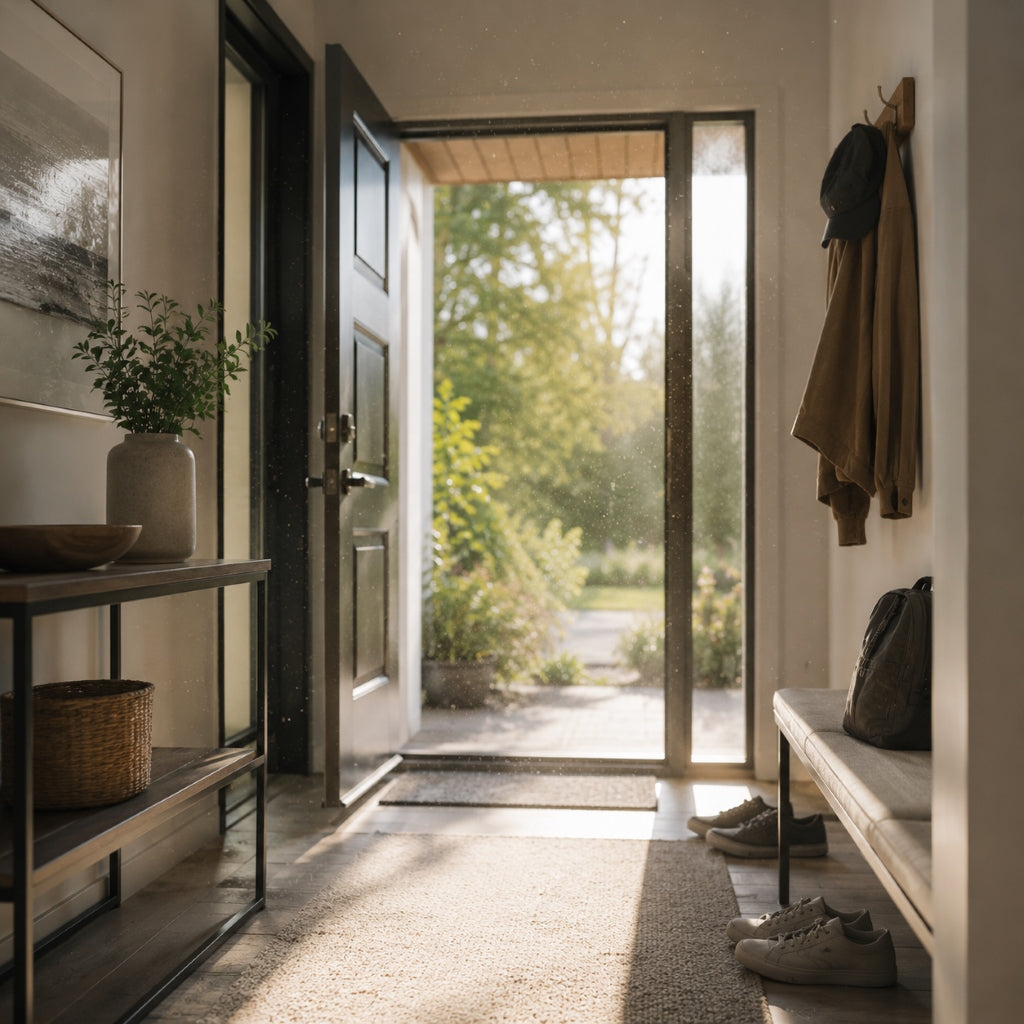
As temperatures rise and homes transition into summer routines, indoor air conditions often change in ways many homeowners do not expect. Increased humidity, heavier air conditioning use, outdoor pollutants, and seasonal allergens 4 can all affect summer indoor air quality. Preparing your home before peak summer heat arrives can help improve comfort and support cleaner indoor environments throughout the season.
From HVAC maintenance to adding an air purifier, taking proactive steps early can make a noticeable difference as weather patterns shift.
How Summer Weather Impacts Indoor Air
Summer brings a combination of higher temperatures, rising humidity, and increased outdoor activity. While many people focus on outdoor air conditions, indoor spaces are often affected just as much.
Common summer indoor air quality concerns include:
- Humidity buildup from heat and moisture
- Pollen and outdoor allergens 4 entering through doors and windows
- Increased use of air conditioning systems
- Dust accumulation in vents and ductwork
- Lingering odors from cooking, pets, and closed indoor spaces
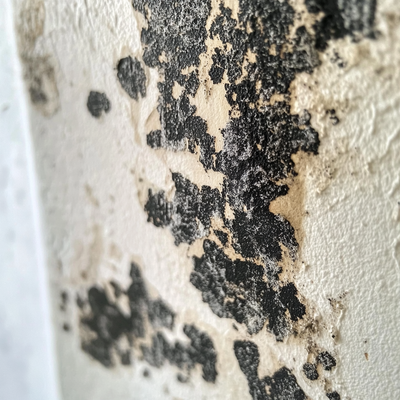
- Mold 1 and mildew 1 growth in damp areas
Because many homes stay sealed during hot weather to preserve cool air, pollutants can continuously circulate indoors without enough fresh airflow. This is why many homeowners begin researching whether are air purifiers worth it during seasonal transitions.

Preparing Your HVAC System for Summer
Your HVAC system plays a major role in summer indoor air quality. During warmer months, air conditioning systems run more frequently, moving large volumes of air through the home every day. If filters, ducts, or vents are not maintained, dust, allergens 4, and other airborne particles can continue circulating throughout indoor spaces.
Preparing your HVAC system before summer can help support cleaner airflow and more consistent cooling performance.
Important HVAC preparation steps include:
- Replacing HVAC filters before peak summer use
- Inspecting vents and ductwork for dust buildup
- Checking for moisture near vents and air handlers
- Scheduling seasonal HVAC inspections
- Cleaning ceiling fans and air returns
- Monitoring indoor humidity levels
Homes with older systems or high humidity levels may especially benefit from pairing HVAC maintenance with an air purifier with a HEPA system to help reduce airborne particles that standard filters may miss.
Managing Humidity During Summer Months
Humidity is one of the biggest contributors to poor summer indoor air quality. Warm air naturally holds more moisture, and summer storms, condensation, and high outdoor humidity can increase dampness indoors.
Excess moisture can contribute to:
- Mold 1 growth in basements and bathrooms
- Mildew 1 odors in enclosed areas
- Musty smells in HVAC systems
- Condensation around windows and vents
- Increased airborne fungal allergens 1
Using dehumidifiers, improving ventilation, and monitoring moisture-prone areas can help maintain more balanced indoor conditions during summer weather changes.
Why Air Circulation Matters in Summer
Airflow becomes especially important during hot weather. When homes remain closed for long periods while air conditioning runs, indoor pollutants can become trapped inside. Cooking fumes, pet dander, smoke particles, and dust may continue recirculating through the home.
Improving circulation can help support fresher indoor environments during the summer season. Strategies include:
- Running bathroom and kitchen exhaust fans
- Using ceiling fans to improve airflow
- Cleaning vents regularly
- Opening windows during lower humidity periods
- Using a quiet air purifier in bedrooms and living spaces
A quiet air purifier can be especially useful overnight or in frequently occupied rooms where continuous operation is preferred without adding excessive noise.
Preparing for Summer Allergens
Summer often brings increased pollen, grass particles, and outdoor pollutants into the home. Even with doors and windows closed, allergens 4 can enter through clothing, pets, HVAC systems, and ventilation gaps.
To help manage indoor allergen 4 buildup during summer:
- Remove shoes near entrances
- Wash bedding frequently
- Vacuum carpets and upholstery regularly
- Keep pets groomed and clean
- Replace HVAC filters consistently
- Use an air purifier in high-traffic areas
These steps may help reduce the amount of outdoor particles that settle and recirculate indoors during peak summer months.
The Role of the Puraclenz Core During Seasonal Transitions
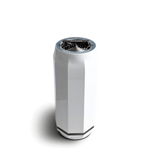
The Core is designed to support cleaner indoor environments during changing seasonal conditions. As homes transition into heavier summer air conditioning use, indoor pollutants can remain trapped inside for longer periods. The Core combines advanced purification technologies with multi-stage filtration to address airborne particles and surface pollutants commonly associated with seasonal air quality changes.
During the summer season, the Core may help support indoor air management by:
- Supporting cleaner airflow in heavily used living spaces
- Reducing airborne dust, allergens 4, and seasonal particles
- Helping manage indoor pollutants that recirculate through HVAC systems
- Supporting air and surface purification coverage throughout the home
- Operating quietly for continuous daily use
For larger living spaces, bedrooms, or open-concept areas, the Core functions as an air purifier with a HEPA system while also supporting broader air and surface purification coverage. Its quiet operation makes it a practical quiet air purifier option for daily use during summer months when continuous airflow management becomes important.
Addressing Summer Moisture Concerns with the Puraclenz Photon
Areas with elevated humidity, such as basements, laundry rooms, bathrooms, and garages, may experience increased moisture concerns during summer weather changes. The Photon is designed for targeted spaces where humidity and damp conditions may contribute to mold 1, mildew 1, and odor-related concerns.
Common summer areas where the Photon may be especially useful include:
- Basements with elevated moisture levels
- Laundry rooms with limited airflow
- Bathrooms exposed to steam and humidity
- Garages and storage rooms with poor ventilation
- Seasonal cabins or vacation homes closed for long periods
Using purification technology designed for moisture-prone areas can help support cleaner indoor spaces as temperatures and humidity rise throughout the season.

Are Air Purifiers Worth It During Summer?
Many homeowners ask are air purifiers worth it when seasonal air quality concerns become more noticeable. During summer, homes often experience a combination of increased humidity, higher HVAC usage, outdoor allergens 4, and reduced natural ventilation.
Benefits homeowners often look for during summer include:
- Improved indoor airflow and circulation
- Reduction of airborne dust and seasonal particles
- Support for managing indoor odors
- Additional filtration alongside HVAC systems
- Cleaner-feeling indoor environments during hot weather
An air purifier may help support indoor air management by reducing airborne particles and improving overall circulation in frequently occupied rooms. When combined with HVAC maintenance, humidity control, and regular cleaning habits, purification systems can become an important part of a broader seasonal indoor air strategy.
Final Thoughts on Summer Indoor Air Quality
Preparing your home for summer indoor air quality changes involves more than simply turning on the air conditioner. Seasonal transitions can affect airflow, humidity, pollutants, and overall indoor comfort throughout the home.
By maintaining HVAC systems, managing humidity, improving ventilation, and using advanced purification technologies like the Puraclenz Core and Photon, homeowners can take proactive steps toward cleaner indoor environments during the summer season.
Recommended products

Core Air & Surface Purifier + HEPA
$649.99

Photon Air & Surface Purifier
$399.99

