 Free Shipping
 2-Year Warranty
 30-Day Money Back Guarantee



How to Improve Air Quality During Heatwaves

When temperatures climb and the air outside feels heavy, it is natural to focus on staying cool. But heatwaves can also create a hidden indoor air quality problem. During periods of extreme heat, homes are often closed up for long stretches, air conditioners run continuously, and outdoor pollutants can become trapped indoors.
Understanding heatwave indoor air quality is especially important during the summer months because hot weather can make existing indoor air concerns feel worse. Dust, smoke, VOCs, odors, humidity, pollen, and fine particles can all build up inside when ventilation is limited.
The good news is that a few practical steps can help you improve indoor air quality during heatwaves while keeping your home more comfortable.
Why Heatwaves Can Make Indoor Air Quality Worse
Extreme heat changes how your home behaves. When outdoor temperatures rise, most people keep windows and doors closed to preserve cool air. This helps with comfort, but it can also reduce fresh air exchange.
As a result, indoor pollutants may continue circulating through the same rooms again and again. During a heatwave, common indoor air quality concerns include:
- Dust and fine particles
- Smoke from wildfire season or outdoor pollution
- VOCs from cleaning products, furniture, paint, or household materials
- Odors from cooking, trash, pets, or humidity
- Pollen and outdoor allergens that entered earlier
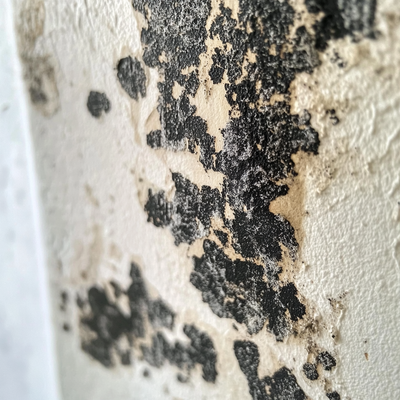
- Mold 1 spores in damp or humid areas
- Particles recirculating through HVAC systems
Because hot weather often overlaps with wildfire season, drought, ozone concerns, and increased outdoor particle pollution, extreme heat air quality can quickly become an indoor concern too.

How Summer Pollution Enters the Home
Even when windows stay closed, outdoor pollutants can still make their way indoors. Small leaks around doors, windows, vents, attics, basements, and HVAC systems can allow outdoor air to enter the home.
During summer pollution events, this may include:
- Smoke particles from wildfires
- Road dust and construction dust
- Outdoor pollen
- Vehicle emissions
- Fine particulate matter
- Humidity that contributes to damp indoor conditions
Once these pollutants enter the home, they can settle onto carpets, furniture, bedding, shelves, and HVAC filters. Later, normal activity like walking, vacuuming, opening doors, or running the air conditioner can stir them back into the air.
Why Air Conditioning Alone May Not Be Enough
Air conditioning helps cool the home, but cooling the air is not the same as cleaning the air. Your HVAC system may include a filter, but standard HVAC filtration is usually designed to protect the equipment first. It may not fully address the range of particles, gases, odors, and surface contaminants that can build up during a heatwave.
Heavy AC use can also contribute to recirculation. If dust, pollen, smoke, or other particles are already inside, the system may continue moving them from room to room. This is why homeowners often notice more dust around vents, musty smells, or stuffy air during long stretches of hot weather.
Replacing HVAC filters regularly is still important, but during a heatwave, many homes benefit from a more layered approach to air quality.
How to Improve Indoor Air Quality During a Heatwave
Improving heatwave indoor air quality starts with reducing the pollutants coming in, limiting the pollutants created indoors, and continuously treating the air already inside your home.
1. Keep windows and doors closed during poor outdoor air quality
When outdoor air is polluted, opening windows can bring more particles, smoke, pollen, and hot humid air into the home. During heatwaves, check local air quality conditions before ventilating. If the air quality is poor, keep windows and exterior doors closed as much as possible.
2. Run your HVAC system wisely
Use air conditioning to maintain safe indoor temperatures, but make sure your HVAC filter is clean. A clogged filter can reduce airflow and allow more dust to accumulate around vents and returns.
Helpful HVAC steps include:
- Replacing filters on schedule
- Cleaning vents and returns
- Keeping interior doors open when appropriate for airflow
- Checking for musty odors near vents
- Scheduling maintenance before peak summer heat
3. Reduce indoor pollution sources
During a heatwave, your home may be more sealed than usual. That means indoor pollution sources can have a bigger impact.
To reduce buildup, avoid or limit:
- Burning candles or incense
- Smoking indoors
- Using strong chemical cleaners without ventilation
- Cooking without exhaust when possible
- Letting trash, damp towels, or pet odors linger
- Overusing fragranced sprays or plug-ins
These small habits can make a noticeable difference when your home is closed up for days at a time.
4. Control indoor humidity
Heatwaves often come with humidity, especially in bathrooms, basements, laundry rooms, crawlspaces, and poorly ventilated areas. High humidity can make the air feel heavier and may contribute to musty odors, mold 1 concerns, and dust mite activity.
Try to keep indoor humidity in a comfortable range by using air conditioning, exhaust fans, and dehumidifiers where needed. Pay close attention to rooms that feel damp, smell musty, or have poor airflow.
5. Clean dust without stirring it up
Dust can become more noticeable during the summer because closed windows, heavy AC use, and increased indoor activity keep particles circulating.
To reduce dust during a heatwave:
- Use a damp microfiber cloth instead of dry dusting
- Vacuum with a HEPA-equipped vacuum when possible
- Wash bedding regularly
- Clean around HVAC vents and returns
- Remove shoes at the door
- Keep windows closed on high-pollen or smoky days
These steps help reduce the amount of dust that gets stirred back into the air.
Would an Air Purifier Help with dust During a Heatwave?
Many homeowners ask: would an air purifier help with dust during hot weather? In many cases, yes. A well-designed air purifier can help reduce airborne dust particles by capturing them as air passes through the system.
People often search the same question in slightly different ways: does air purifier help with dust, does an air purifier help with dust, will an air purifier help with dust, and can an air purifier help with dust. The answer depends on the technology, room size, placement, filter quality, and how consistently the purifier runs.
During a heatwave, an air purifier can be especially useful because the home is often closed up and indoor air is recirculating. Instead of allowing dust, pollen, smoke particles, and other pollutants to keep moving through the space, a purifier can provide continuous air cleaning support.
How the Puraclenz Core Supports Heatwave Indoor Air Quality
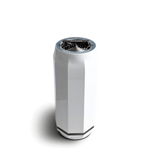
The Puraclenz Core is designed as an all-in-one air purifier for mold 1, smoke, odors, and more. It combines multiple technologies to support cleaner indoor air during challenging summer conditions.
The Core uses:
- H13 True HEPA filtration to help trap dust, pollen, pet dander, allergens 4, bacteria 3, and mold 1 down to 0.1 micron size particles
- Activated carbon to help address VOCs, smoke, and odors
- UV-C technology to support treatment of pollutants that pass through or get trapped in the filter
- PCO technology to help clean air and surfaces beyond filtration alone
- PM2.5 indoor air quality monitoring to help you better understand particle levels inside your home
This matters during heatwaves because indoor air concerns are rarely limited to one pollutant. You may be dealing with dust, smoke, odors, VOCs, pollen, and humidity-related concerns at the same time. The Core is built for broad indoor air support, making it a strong fit for summer heatwave conditions.

Heatwave Indoor Air Quality Checklist
Use this checklist before and during periods of extreme heat:
- Check the outdoor AQI before opening windows
- Keep windows and doors closed when outdoor air quality is poor
- Replace HVAC filters regularly
- Run air conditioning to maintain safe indoor temperatures
- Use exhaust fans when cooking or showering
- Control humidity with AC or dehumidifiers
- Clean dust with damp cloths instead of dry dusting
- Avoid candles, smoke, and unnecessary fragrance products indoors
- Run a dedicated air purifier continuously in occupied spaces
- Use the Core for broader dust, smoke, odor, VOC, and particle support
Final Thoughts: Cleaner Indoor Air During Extreme Heat
Heatwaves are not just a comfort issue. They can also affect how pollutants build up, circulate, and linger inside your home. When windows stay closed and air conditioning runs constantly, dust, smoke, VOCs, odors, pollen, and other particles can become harder to control.
Improving heatwave indoor air quality requires a layered strategy: limit outdoor pollution, reduce indoor sources, maintain your HVAC system, control humidity, clean carefully, and use advanced air purification for continuous support.
For homes dealing with extreme heat air quality concerns, summer pollution, dust buildup, smoke, odors, or stuffy indoor air, the Puraclenz Core offers an all-in-one solution designed to support cleaner air throughout the season.
Recommended products

Core Air & Surface Purifier + HEPA
$649.99
Recommended articles

