 Free Shipping
 2-Year Warranty
 30-Day Money Back Guarantee



Whole-Home Air Quality: Summer Survival Guide
Summer brings longer days, warmer temperatures, and more time spent indoors with the air conditioning running. While many homeowners focus on keeping their homes cool, they often overlook what is circulating through the air inside.
During the warmer months, humidity, outdoor pollutants, wildfire smoke in some regions, dust, pet dander, mold 1, mildew 1, bacteria 3, viruses 2, allergens 4, fungal allergens 1, and mycotoxins can all affect indoor air quality.
Improving whole-home air quality during summer requires more than replacing an HVAC filter. It takes a layered approach that helps reduce pollutants throughout the rooms where your family lives, sleeps, works, and relaxes.
Why Summer Can Make Indoor Air Quality Worse
Your indoor environment changes significantly during summer. Windows may be opened and closed throughout the day, allowing pollen, dust, smoke, and humidity to enter the home. At the same time, air conditioners continuously recirculate indoor air through vents, returns, and ductwork.
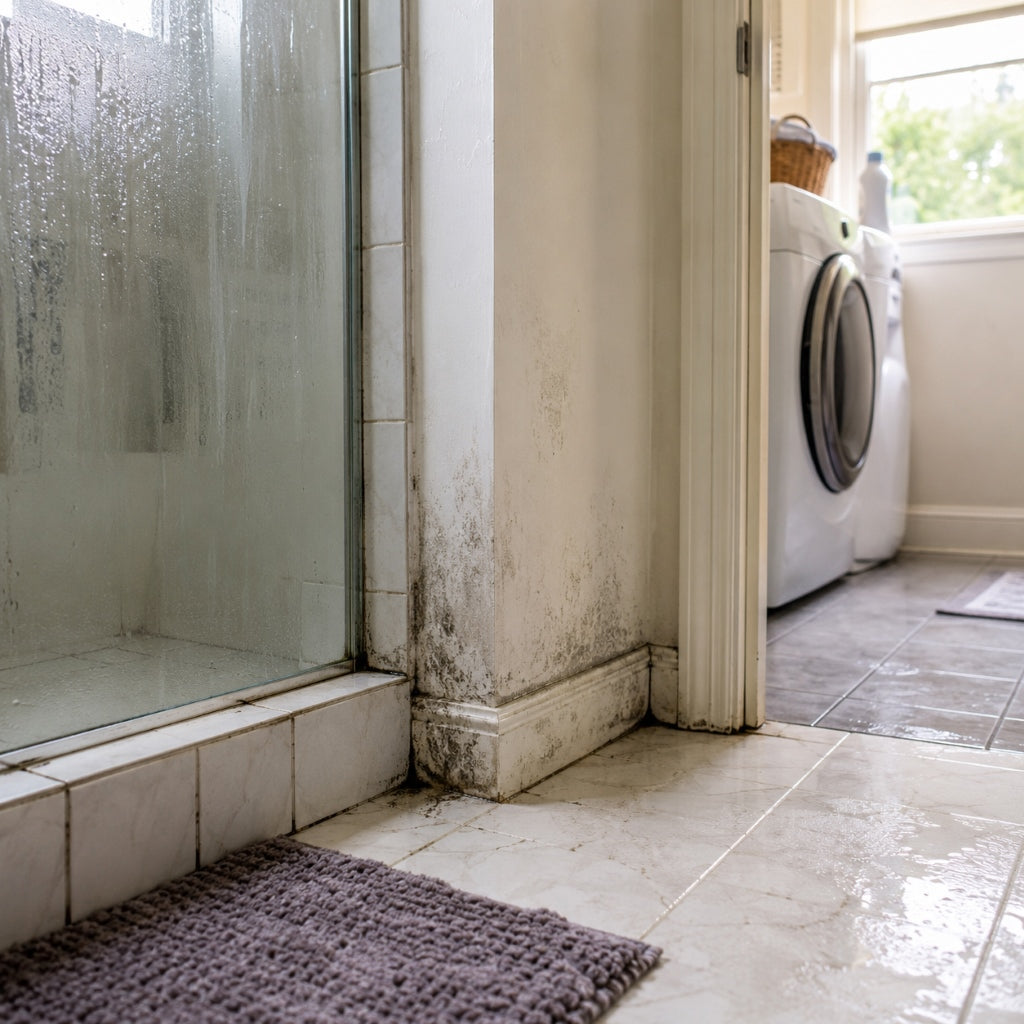
Moisture can also build up around vents, inside bathrooms, in laundry rooms, and in damp areas like basements and crawl spaces. When humidity rises, mold 1 and mildew 1 concerns can become more noticeable.
Common summer indoor air pollutants include:
- Dust and dust mites
- Pollen
- Pet dander
- Mold 1 spores
- Mildew 1
- Bacteria 3
- Viruses 2
- Volatile Organic Compounds (VOCs)
- Cooking odors
- Smoke particles
- Mycotoxins
Without proper ventilation, humidity control, and air purification, these pollutants can continue circulating throughout the home.

What Does Whole-Home Air Quality Mean?
Whole-home air quality means supporting cleaner air throughout your living space, not just in one bedroom or one corner of the house.
Air moves continuously between rooms through:
- HVAC systems
- Hallways
- Open doors
- Stairways
- Air returns
- Ceiling fans
Because air does not stay in one place, improving indoor air quality requires addressing pollutants across the home. A single small purifier may help in a limited area, but larger spaces, open floor plans, and multi-level homes often need a broader strategy.
Summer Air Purification Tips for a Healthier Home
If you want to improve your indoor air this summer, start with practical steps that reduce pollutants at the source and help your air purification system work more effectively.
1. Control Indoor Humidity
Humidity creates favorable conditions for mold 1 and mildew 1 growth. Aim to keep indoor humidity between 30% and 50% whenever possible.
Use a dehumidifier in damp areas such as basements, crawl spaces, bathrooms, and laundry rooms. Also check for leaks, condensation, or poor ventilation that may be contributing to excess moisture.
2. Replace HVAC Filters Regularly
Summer places heavy demand on HVAC systems. Replace filters according to the manufacturer's recommendations, especially if you have pets, live in a high-pollen area, or experience wildfire smoke.
HVAC filters help protect your system and capture some airborne particles, but they are only one part of a complete indoor air quality plan. Many homeowners also use an air purifier with HEPA filtration to help capture fine particles that circulate indoors.
3. Keep Air Moving
Good airflow helps reduce stagnant air and supports more consistent purification. Keep supply and return vents open, avoid blocking vents with furniture, and use ceiling fans appropriately to help air move through the home.
4. Limit Outdoor Pollutants
On days with poor outdoor air quality, high pollen, or wildfire smoke, keep windows and doors closed when possible. Running your HVAC system and air purifier continuously can help reduce pollutants that make their way indoors.
5. Clean High-Moisture Areas
Bathrooms, laundry rooms, crawl spaces, and basements should be inspected regularly for signs of mold 1, mildew 1, musty odors, or water damage.
Addressing moisture problems early can help reduce airborne pollutants before they spread to other areas of the home.
Why Air Purification Matters During Summer
Many airborne pollutants are microscopic and cannot be seen. Dust, pollen, smoke particles, mold 1 spores, bacteria 3, viruses 2, allergens 4, and odors can circulate through the air, settle on surfaces, and become airborne again.
This is one reason many homeowners ask, are air purifiers worth it? For homes dealing with seasonal allergies, humidity, wildfire smoke, pets, odors, or recurring indoor air concerns, the right air purifier can be an important part of a broader air quality strategy.
Modern air purification systems can help reduce:
- Dust
- Pollen
- Smoke particles
- VOCs
- Mold 1 spores
- Bacteria 3
- Viruses 2
- Allergens 4
- Odors
- Mycotoxins
For best results, air purification should be combined with humidity control, regular cleaning, proper HVAC maintenance, and source control.
HEPA Filtration and Advanced PCO Purification
Traditional air purifiers rely on filtration. As air passes through the unit, the filter captures particles such as dust, pollen, pet dander, smoke particles, and mold 1 spores.
HEPA filtration is especially useful for capturing many fine airborne particles. However, filtration depends on air physically reaching the unit.
The Puraclenz Core combines HEPA filtration with patented PhotoCatalytic Oxidation (PCO) Purification technology. This dual approach helps capture airborne particles while also supporting continuous purification beyond the unit itself.
PCO Purification is designed to produce purification molecules that move throughout occupied spaces to help reduce airborne pollutants and odors while the unit operates. This makes it a strong option for homeowners looking for more than standard filtration alone.
Addressing Mold 1, Mildew 1, and Mycotoxins
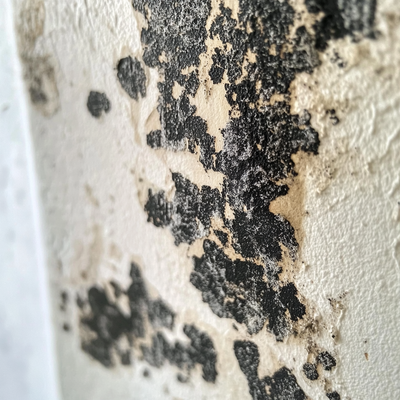
Summer humidity can create conditions where mold 1 and mildew 1 become more likely. When mold 1 develops, it may release spores and related pollutants into the surrounding air.
Moisture control should always come first. Fix leaks, improve ventilation, dry damp materials, and address visible mold 1 problems directly. Air purification can then provide additional support by helping reduce airborne pollutants while moisture issues or remediation efforts are being addressed.
The Puraclenz Photon was designed for mold 1-focused applications. Its advanced PCO Purification technology is engineered for environments where mold 1, mildew 1, odors, and related airborne pollutants are a concern.
How to Choose the Right Air Purifier for Summer
There is no single air purifier that fits every home. The right choice depends on your home's size, layout, air quality concerns, and how you plan to use the unit.
When comparing air purifiers, consider:
- Room coverage
- Filtration technology
- HEPA filtration
- Advanced purification technology
- Noise level
- Ease of maintenance
- Energy efficiency
- Placement options
If the unit will run in a bedroom, nursery, office, or living room, a quiet air purifier can provide continuous purification without becoming distracting.
Frequently Asked Questions
Are air purifiers worth it during summer?
Yes, many homeowners find air purifiers helpful during summer because indoor air can be affected by pollen, dust, smoke particles, humidity, odors, mold 1 spores, bacteria 3, viruses 2, allergens 4, and mycotoxins.
Can one air purifier clean an entire home?
It depends on the size of the unit and the layout of the home. Smaller units are usually designed for individual rooms, while larger homes or open-concept spaces may benefit from multiple units placed in frequently used areas.
Should I run my air purifier all summer?
Continuous operation usually provides the most consistent purification, especially during periods of high humidity, wildfire smoke, elevated pollen counts, or noticeable indoor odors.
What is the best way to improve whole-home air quality?
The best approach is to combine humidity control, HVAC maintenance, source control, regular cleaning, and air purification. This helps reduce pollutants throughout the home rather than relying on one solution alone.

Build Better Whole-Home Air Quality This Summer
Creating better whole-home air quality during summer starts with managing humidity, maintaining your HVAC system, reducing indoor pollutants, and choosing air purification technologies that match your home's needs.
Whether you are concerned about seasonal odors, smoke, dust, mold 1, mildew 1, bacteria 3, viruses 2, allergens 4, or mycotoxins, a comprehensive air quality plan can help create a cleaner indoor environment throughout the warmest months of the year.
Puraclenz Core combines HEPA filtration with patented PCO Purification technology to help reduce airborne pollutants and odors throughout occupied spaces. For homes with mold 1-focused concerns, Puraclenz Photon provides a specialized purification solution designed for more challenging indoor environments.
Together, these technologies offer a broader approach to improving indoor air quality during the summer season.
Recommended products

Core Air & Surface Purifier + HEPA
$649.99

Photon Air & Surface Purifier
$399.99

