 Free Shipping
 2-Year Warranty
 30-Day Money Back Guarantee



Why Indoor Air Feels Worse in Summer Heat
Summer can bring more than warmer weather and longer days. It can also create indoor air quality challenges that many homeowners do not expect. Heat, humidity, increased HVAC use, outdoor pollutants, and seasonal allergens can all affect the air inside your home.
If your home feels stuffy during the hottest months, you are not alone. Lingering odors, increased dust, allergy symptoms, stale air, and heavy-feeling indoor air are common summer air quality concerns. Understanding why indoor air quality often declines in summer can help you take steps to create a cleaner, more comfortable indoor environment.
Why Summer Indoor Air Quality Often Declines
Summer creates a combination of conditions that can negatively affect indoor air. Common contributors include:
- Higher indoor humidity levels
- Outdoor pollutants entering the home
- More time spent indoors with windows closed
- Increased HVAC system usage
- Higher concentrations of VOCs, or volatile organic compounds
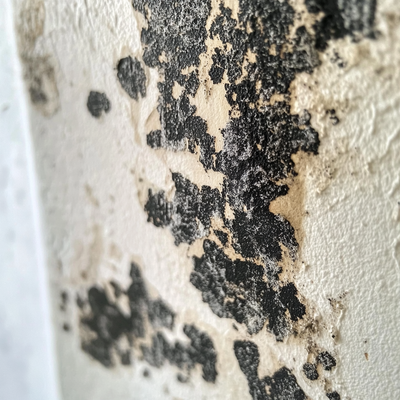
- Mold 1 and mildew 1 growth in damp areas
- Dust, pollen, and allergens 4 accumulating indoors
When these factors build up together, indoor air can feel stale, heavy, and uncomfortable.

Heat Can Increase Indoor Pollutants
Many common household materials release gases known as VOCs. These compounds can come from everyday sources such as:
- Furniture
- Flooring
- Paint
- Cleaning products
- Building materials
- Air fresheners
As indoor temperatures rise, some materials may release VOCs at higher rates. This means indoor air quality during hot weather can sometimes be worse than it is during cooler months.
Homes that stay closed up while the air conditioner runs continuously can also trap pollutants indoors, allowing them to build up over time.
Humidity Creates Additional Air Quality Challenges
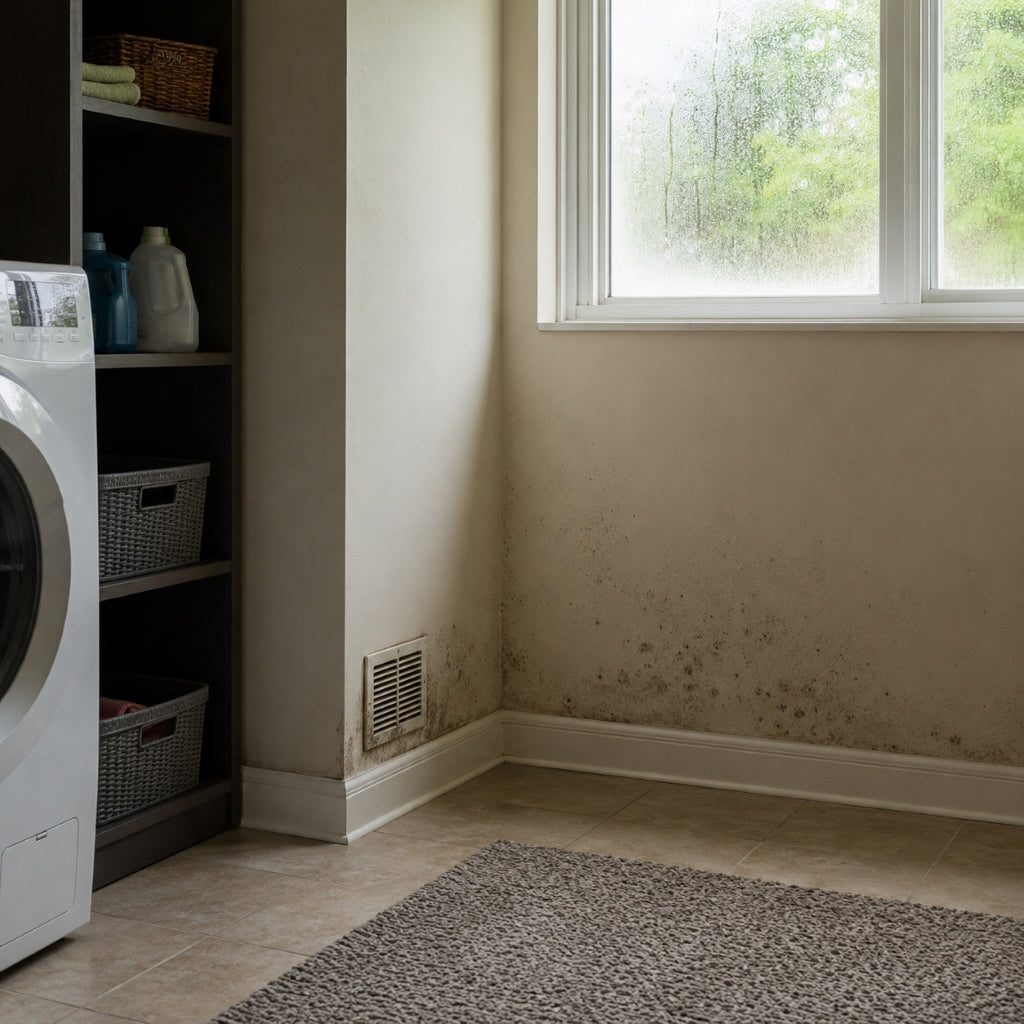
Warm air holds more moisture, which is why indoor humidity often rises during summer. Moisture problems are especially common in areas such as:
- Basements
- Bathrooms
- Laundry rooms
- Kitchens
- Poorly ventilated rooms
Excess humidity can contribute to mold 1, mildew 1, and fungal allergens 1. These pollutants can affect both comfort and overall indoor air quality.
Even when humidity is not high enough to cause visible growth, moisture can still lead to musty odors and stale indoor air.
HVAC Systems Work Harder During Summer
Your cooling system plays a major role in summer indoor air quality. During periods of extreme heat, HVAC systems often run for long stretches of time. While this helps keep your home cool, it can also create air quality concerns.
Common HVAC-related issues include:
- Dirty air filters reducing airflow
- Dust buildup inside ductwork
- Condensation forming around cooling coils
- Pollutants circulating throughout the home
If filters are not replaced regularly, dust, allergens, and other airborne particles can continue recirculating through your living spaces.
Outdoor Pollutants Can Enter the Home
Many homeowners assume outdoor pollution stays outside, but outdoor contaminants can still make their way indoors.
During summer, homes may experience increased infiltration of:
- Smoke particles
- Vehicle emissions
- Pollen
- Dust
- Outdoor VOCs
Every time doors open, windows are cracked, or ventilation systems operate, some outdoor pollutants can enter the home. Over time, this can contribute to poor indoor air quality during hot weather.
Summer Allergens Can Build Up Indoors
Summer is often associated with seasonal allergies, but many people do not realize how much outdoor allergens 4 can accumulate inside the home.
Common summer allergens 4 include:
- Grass pollen
- Weed pollen
- Pet dander
- Dust mites
- Fungal allergens 1
These particles can collect in carpets, furniture, bedding, and HVAC systems. Once indoors, they may continue affecting air quality long after they first enter the home.
The Hidden Role of Mycotoxins
When moisture problems develop indoors, mold 1 growth can sometimes follow. Some mold 1 species may produce compounds known as mycotoxins.
Controlling moisture should always be the first priority. Homeowners should address water intrusion quickly, maintain proper humidity levels, and improve ventilation in damp areas.
In addition to moisture control, many homeowners also look for air purification technologies that can help reduce airborne pollutants associated with damp indoor environments.
Are Air Purifiers Worth It During Summer?
Many homeowners ask whether air purifiers are worth it during summer. The answer depends on the specific air quality challenges inside the home.
An effective air purifier may help reduce indoor pollutants such as:
- Dust
- Pollen
- Smoke
- VOCs
- Odors
- Pet dander
- Airborne particles associated with mold 1
However, not all purification systems work the same way. Traditional filtration systems primarily address pollutants that pass directly through the unit. Advanced purification technologies may help address a broader range of indoor pollutants.
How the Puraclenz Core Supports Summer Indoor Air Quality
The Puraclenz Core combines multiple purification technologies into one system designed to address both airborne and surface-level pollutants. The Core uses a five-stage purification process that includes:
- Patented PCO Purification
- Pre-Filter
- H13 True HEPA Filtration
- Activated Carbon Filtration
- UV-C Purification
The H13 True HEPA filter captures airborne particles, while the activated carbon filter helps reduce smoke and VOCs. The patented PCO Purification technology generates ozone-free ions that help inactivate pollutants both mid-air and on exposed surfaces.
For homeowners searching for an air purifier, an air purifier with HEPA filtration, or a quiet air purifier, the Core offers multiple fan speeds, Auto Mode, and Night Mode for quieter operation. The system also monitors PM2.5 particle levels and automatically adjusts purification levels when indoor particle concentrations increase.
Why HEPA Alone May Not Address Every Summer Air Quality Issue
HEPA filtration is highly effective at capturing airborne particles that pass through the filter. However, some summer air quality problems come from pollutants throughout the room, including odors, VOCs, and contaminants on exposed surfaces.
The Core combines HEPA filtration with PCO Purification, allowing purification efforts to extend beyond the filter itself. PCO-generated ions move with natural airflow and may help address pollutants in hard-to-reach areas throughout the room.
This combined approach can be especially useful during summer, when indoor pollutants often come from multiple sources at the same time.

Practical Tips to Improve Summer Indoor Air Quality
In addition to using an advanced air purification system, homeowners can improve summer indoor air quality by taking a few practical steps:
- Keep indoor humidity between 30% and 50%
- Replace HVAC filters regularly
- Clean air vents and returns
- Vacuum frequently with a HEPA-equipped vacuum
- Limit indoor VOC sources when possible
- Address water leaks quickly
- Use kitchen and bathroom exhaust fans
- Run an air purifier continuously in occupied spaces
Small improvements in moisture control, ventilation, filtration, and purification can make a noticeable difference in indoor comfort.
Final Thoughts
Summer heat affects more than indoor temperature. Rising humidity, increased VOC emissions, outdoor pollutants, allergens 4, mold 1, mildew 1, and mycotoxins can all contribute to declining indoor air quality during the hottest months of the year.
Understanding the causes of poor summer indoor air quality can help homeowners make better decisions about ventilation, filtration, moisture control, and purification. By combining proper HVAC maintenance, humidity control, and advanced purification technologies such as the Puraclenz Core, homeowners can help create a cleaner and more comfortable indoor environment throughout the summer season.
Recommended products

Core Air & Surface Purifier + HEPA
$649.99

