 Free Shipping
 2-Year Warranty
 30-Day Money Back Guarantee



Do Air Purifiers Help With Summer Viruses?
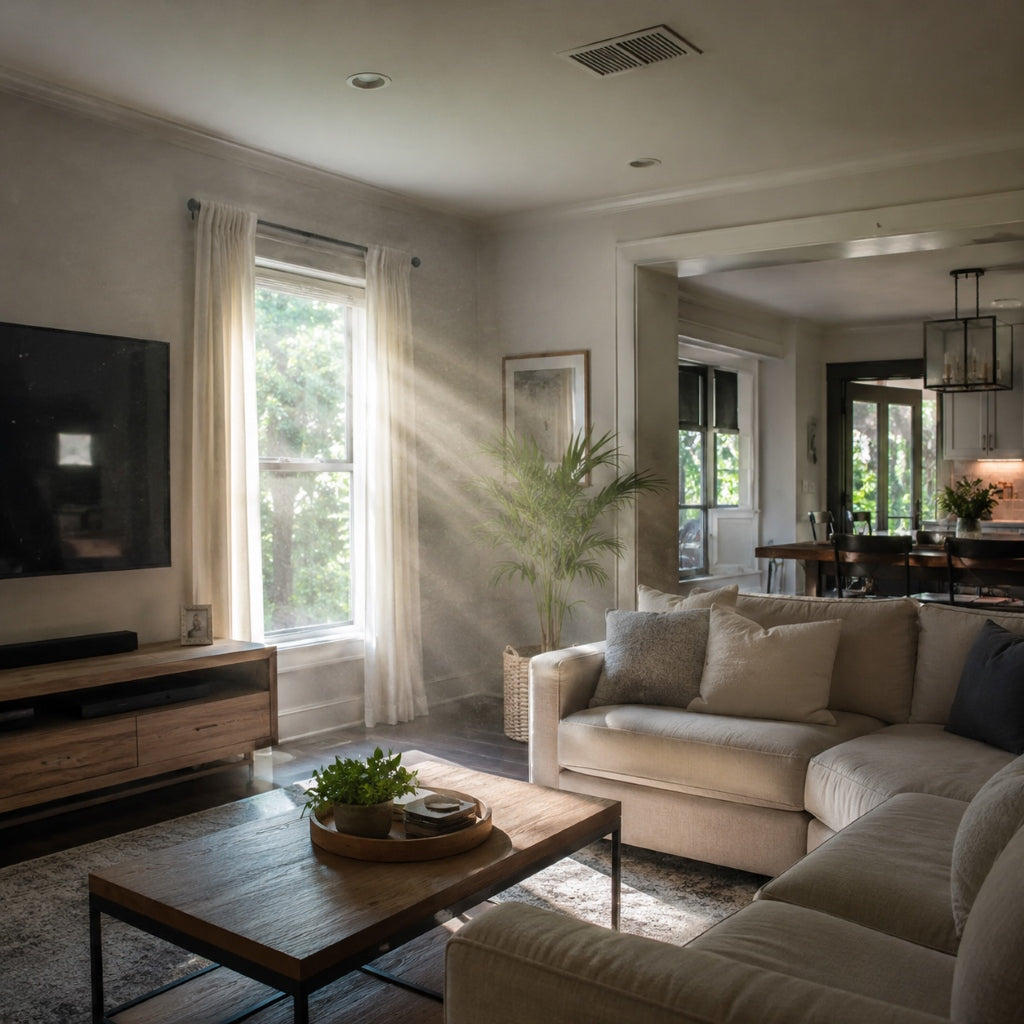
Summer is often associated with outdoor activities, vacations, and sunshine. Yet many people are surprised to learn that summer can also bring an increase in certain indoor air quality concerns. Warm temperatures, increased travel, gatherings, and air-conditioned indoor environments may contribute to the spread of airborne pollutants, including virus 2 particles and bacteria 3.
This raises an important question: do air purifiers help with summer virus 2 concerns? And can an air purifier support cleaner indoor air during the warmer months?
The answer depends on the technology used. Modern purification systems that combine filtration and active purification methods can help reduce airborne pollutants associated with summer illnesses. Understanding how these technologies work may help homeowners make informed decisions about indoor air quality.
Why Summer Can Increase Exposure to Airborne Pollutants
Many people assume cold and flu season ends with winter, but summer presents its own challenges. Increased travel, camps, social gatherings, and time spent indoors with air conditioning may increase exposure to airborne particles.
Indoor environments during summer can also experience:
- Increased humidity
- Reduced fresh air circulation
- Higher occupancy during gatherings
- Greater concentrations of airborne particles
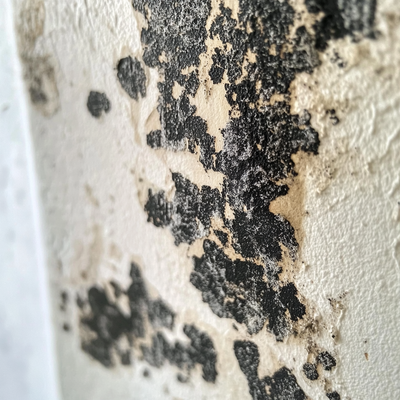
Warm, humid conditions may also contribute to the growth of mold 1 and mildew 1, which can release spores and Mycotoxins into indoor spaces. These airborne pollutants can affect overall indoor air quality.

How Air Purifiers Work Against Airborne Pollutants
An air purifier works by treating indoor air through filtration, active purification, or both. Different technologies address different categories of pollutants.
HEPA Filtration
Many consumers specifically look for an air purifier with a HEPA filter because HEPA technology captures fine airborne particles. True HEPA filters are designed to capture particles such as dust, pollen, and mold 1 spores. HEPA filtration is commonly used in air purification systems because of its ability to trap microscopic particles.
Consumers searching for an air purifier often prioritize filtration performance, room coverage, and ease of use. During summer, indoor spaces may experience higher concentrations of airborne pollutants due to increased occupancy and HVAC use.
Active Purification Technologies
Some purification systems go beyond passive filtration. Technologies such as Photocatalytic Oxidation (PCO) create reactive ions that disperse into indoor spaces and interact with airborne pollutants.
PCO technology has been studied for its ability to inactivate airborne contaminants, including virus 2 particles and bacteria 3.
This is why consumers researching air purifiers for viruses and bacteria often seek systems that combine multiple purification methods.
Can Air Purifiers Help Reduce Airborne Viruses? 2
A common question is whether an air purifier can help reduce viruses. While air purification technologies differ, some systems are designed to reduce or inactivate airborne pollutants associated with virus 2 transmission.
HEPA filters physically capture particles from moving air, while active purification technologies may interact with pollutants both in the air and on exposed surfaces.
Because indoor air quality involves many variables, no air purification system should be viewed as the sole method of reducing exposure to airborne pollutants.
The Role of Bacteria 3 Air Cleaning During Summer
Summer activities often bring additional indoor pollutants into homes. Shoes, pets, increased foot traffic, and open windows can all contribute to airborne particles.
This is where bacteria 3 air cleaning technologies can be valuable. Systems designed to reduce airborne pollutants may help improve overall indoor air quality in frequently occupied spaces.
Many homeowners searching for an air purifier or a quiet air purifier are looking for solutions that operate continuously while maintaining comfortable living spaces.
A quiet air purifier can be particularly beneficial for bedrooms, home offices, and family rooms where continuous operation is preferred.
How Mycotoxins Fit Into Indoor Air Quality
Mycotoxins are compounds associated with certain types of mold 1. When mold 1 growth occurs indoors, these compounds may become part of the indoor environment.
While standard filtration can capture many airborne particles, some consumers specifically seek technologies that address broader indoor air quality concerns involving mold 1 and Mycotoxins.
Indoor environments affected by moisture may also contain fungal allergens 1, which can circulate through living spaces and contribute to overall indoor pollutant levels.
Puraclenz Core
The Puraclenz Core combines True HEPA filtration with patented Photocatalytic Oxidation (PCO) purification technology. The system uses ozone-free ions that disperse throughout indoor spaces to interact with airborne pollutants while the HEPA filter captures particles from the air.
You can use the Core in spaces up to 3,000 square feet, making it suitable for homes, offices, and larger living areas during periods of increased indoor activity.
Features include:
- True HEPA filtration
- Patented PCO purification technology
- Air and surface purification
- Ozone-free operation
- Coverage for large spaces
For homeowners searching for an air purifier with a HEPA filter, the Core combines filtration with active purification capabilities to address multiple categories of indoor pollutants.
Puraclenz Photon
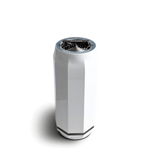
The Photon utilizes enhanced PCO technology designed to generate high densities of purification ions throughout indoor spaces. This technology actively disperses ions into the environment where they interact with airborne pollutants.
Photon technology is designed to help reduce pollutants associated with mold 1, virus 2, and bacteria 3 in indoor environments.
The Photon may be particularly useful in areas where:
- Airflow is limited
- Large spaces require coverage
- Surface exposure is a concern
- Mold 1 or Mycotoxins are present
Its active purification approach complements traditional filtration methods by treating pollutants beyond the filter itself.

Are Air Purifiers Worth It?
One of the most common consumer questions is: are air purifiers worth it?
The answer depends on your indoor environment and goals. Homes with:
- Frequent visitors
- Pets
- Seasonal humidity
- Mold 1 concerns
- Allergens 4
- Mycotoxins
- High occupancy spaces
may benefit from improved indoor air purification strategies.
Advanced systems that combine filtration with active purification technologies offer multiple approaches for reducing indoor pollutants. This is one reason many consumers continue researching whether an air purifier can support cleaner indoor environments year-round.
Final Thoughts
Summer may not traditionally be thought of as illness season, but increased travel, gatherings, humidity, and indoor time can contribute to airborne pollutant exposure. Whether you're concerned about virus 2 particles, bacteria 3, mold 1, allergens 4, fungal allergens 1, or Mycotoxins, choosing the right purification technology matters.
If you're researching air purifiers for viruses and bacteria, technologies such as HEPA filtration and PCO purification can play complementary roles in supporting cleaner indoor air. Systems like the Puraclenz Core and Photon combine multiple purification approaches to help reduce indoor pollutants during every season.
Whether you're considering your first air purifier or upgrading to a more advanced system, understanding the technologies behind purification can help you make informed decisions about indoor air quality throughout the summer months and beyond.
Recommended products

Core Air & Surface Purifier + HEPA
$649.99

Photon Air & Surface Purifier
$399.99
Recommended articles

