 Free Shipping
 2-Year Warranty
 30-Day Money Back Guarantee



Air Purifiers for Asthma: What Science Actually Says

For families managing asthma, indoor air quality is not just about comfort. It directly affects how often symptoms flare and how easy it is to breathe at home. Many homeowners ask whether an air purifier for asthma actually makes a measurable difference or whether it is simply a popular trend.
Scientific research over the past two decades shows that improving indoor air can reduce airborne pollutants linked to asthma triggers. But results depend heavily on the type of air purifier, the filtration technology, and how consistently it is used.
Understanding Asthma and Indoor Air
Asthma is a chronic inflammatory condition of the airways. Symptoms may include wheezing, shortness of breath, chest tightness, and coughing. While outdoor pollution can contribute to flare-ups, studies show that indoor air often contains concentrated triggers, including:
- Dust and microscopic particles
- Pet dander
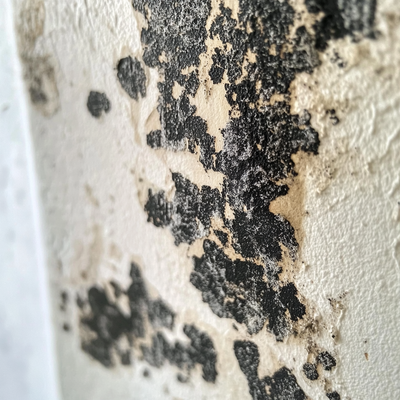
- mold 1 spores
- allergens 4 from pollen and dust mites
- bacteria 3 and airborne particles
- Smoke and combustion byproducts
Because people spend the majority of their time indoors, improving asthma indoor air conditions can significantly reduce exposure to these pollutants.
What Research Says About Air Purifiers and Asthma
Clinical and environmental health studies consistently show that high-efficiency particle filtration reduces airborne particulate matter inside homes. When fine particles decrease, many asthma patients report fewer nighttime symptoms and reduced irritation.
Research findings suggest:
- Portable filtration units reduce airborne particulate levels in bedrooms.
- Lower particulate levels correlate with fewer asthma symptom days in some households.
- Continuous operation provides better results than intermittent use.
However, not all devices perform equally. An air purifier with a HEPA filtration system is often referenced in research because HEPA media captures very small particles that can aggravate sensitive airways.

Why HEPA Filtration Matters
HEPA filtration is designed to capture at least 99.97% of particles at 0.3 microns in size. That range includes many airborne triggers such as dust, pollen, and some allergens 4.
For households searching for the best purifier asthma solution, true HEPA performance is one of the most important factors to evaluate. Without high-efficiency filtration, smaller particles may continue circulating through the air.
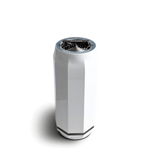
The Puraclenz Core features a multi-stage filtration system that includes a HEPA layer along with carbon media designed to reduce odors and certain airborne pollutants. This layered approach supports overall indoor purification in bedrooms, living rooms, and shared spaces.
Beyond HEPA: Advanced Purification Technologies
While HEPA filtration captures particles, additional technologies can address smaller airborne contaminants. Photocatalytic oxidation (PCO) purification is designed to inactivate airborne pollutants at a molecular level.
The Puraclenz Core uses advanced PCO purification technology to reduce airborne pollutants throughout a space. Rather than relying solely on passive filtration, it actively cycles air through a purification chamber to reduce contaminants.
For asthma households, combining high-efficiency filtration with advanced purification technology may provide broader pollutant reduction than a single-stage device.
Are Air Purifiers Worth It for Asthma?
A common question is: are air purifiers worth it for asthma management?
Science indicates that reducing airborne particulate matter can help improve indoor air quality. While an air purifier is not a cure for asthma, it can be part of a broader strategy that includes:
- Controlling humidity to discourage mold 1 growth
- Regular cleaning to reduce dust buildup
- Maintaining HVAC systems
- Using high-efficiency filtration in key rooms
Consistency is critical. A purifier that runs only occasionally may not maintain low particle levels. Many families prefer a quiet air purifier that can operate continuously, especially in bedrooms where nighttime symptoms often occur.
Choosing the Right Air Purifier for Asthma
When selecting an air purifier for asthma, consider the following:
- True HEPA filtration performance
- Room size coverage and air changes per hour
- Noise level for overnight use
- Maintenance requirements
- Additional purification technologies
The Puraclenz Core is designed for room-level filtration with HEPA and carbon media, making it suitable for bedrooms and living areas.
The Bottom Line
Scientific evidence supports the role of high-efficiency filtration in reducing airborne particles that contribute to asthma symptoms. An appropriately sized air purifier, especially one with HEPA filtration and advanced purification technology, can reduce indoor pollutant levels when used consistently.
For households managing asthma, improving indoor air is not about a single device. It is about a comprehensive approach that combines humidity control, cleaning practices, HVAC maintenance, and effective air purification.
When chosen carefully and used daily, the right air purifier for asthma can play a meaningful role in supporting cleaner indoor air.
Recommended products

Core Air & Surface Purifier + HEPA
$649.99

