 Free Shipping
 2-Year Warranty
 30-Day Money Back Guarantee



Do Air Purifiers Help With Musty Fall Basements?
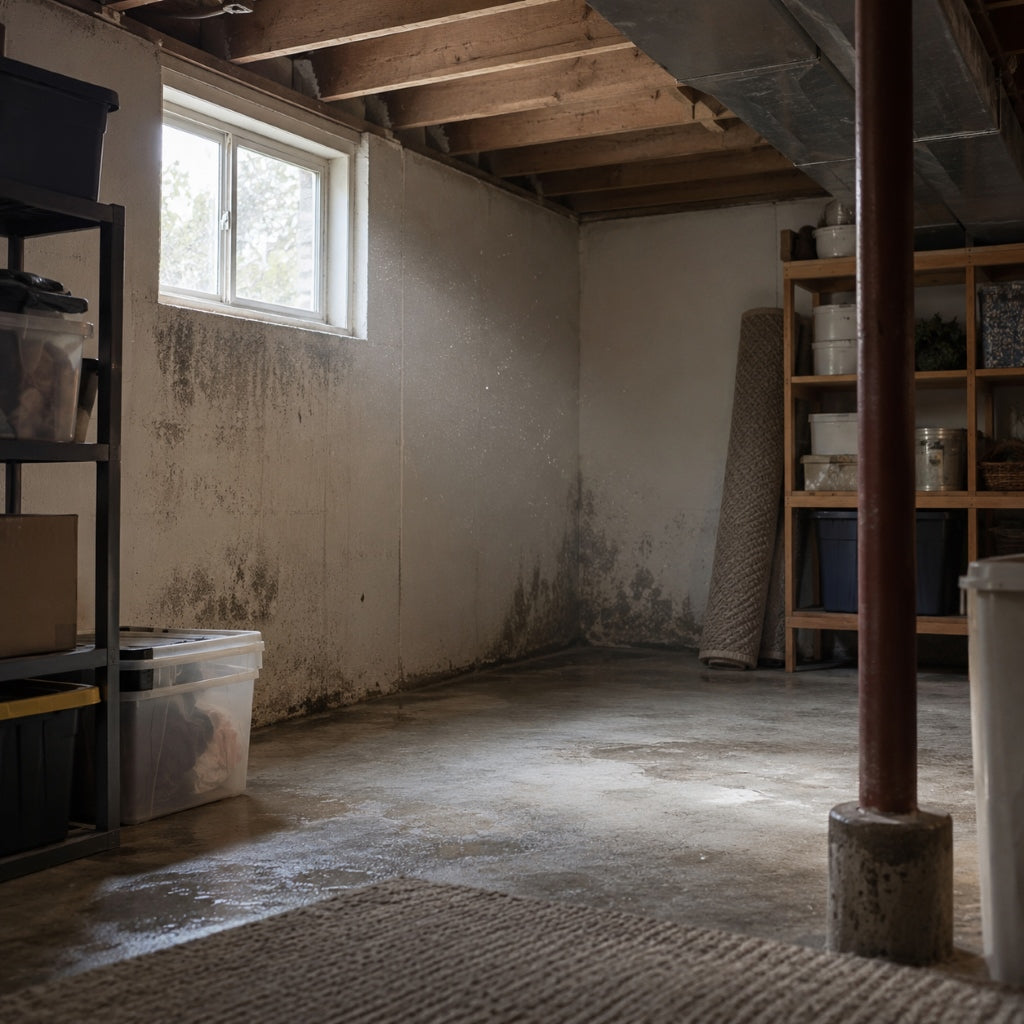
When temperatures drop in fall, homeowners tend to spend more time indoors, and musty basement odors can become much more noticeable. Closed windows, lingering humidity, reduced ventilation, and changing air circulation can all contribute to a musty basement smell.
If your basement has a persistent basement mold smell or stale, damp odor, you may wonder whether an air purifier for mold can help. Air purification can play a useful role in managing airborne pollutants and lingering odors, but it should be combined with moisture control and efforts to identify the source of the problem.
Why Do Basements Smell Musty in the Fall?
Basements typically have less ventilation than the rooms above them. During fall, cooler temperatures can also change how moisture behaves inside the home. Foundations, floors, walls, pipes, storage areas, and other surfaces may retain moisture, making musty odors more noticeable.
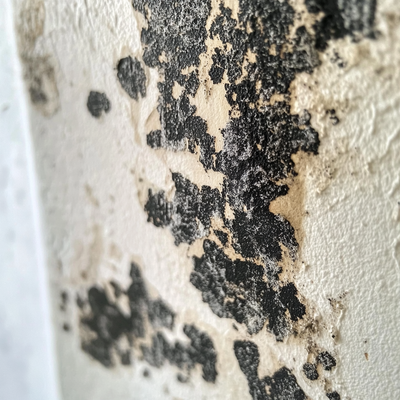
A musty smell does not automatically mean there is a significant mold1 problem. However, a persistent odor is a good reason to inspect the basement for visible growth, water intrusion, condensation, damp materials, or other moisture concerns.
Addressing the source of excess moisture should come first. An air purifier can then complement those efforts by treating pollutants in the air and, depending on the purification technology, on exposed surfaces.

Do Air Purifiers Help with Mold?
So, do air purifiers help with mold? The answer depends largely on the technology inside the purifier.
Traditional filtration-based air purifiers draw room air through a filter. Airborne particles must enter the purifier before they can be captured. This can help manage particles circulating through the air, but filtration does not directly treat pollutants that have already settled onto exposed surfaces.
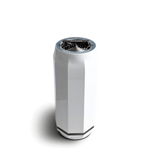
Photocatalytic Oxidation, or PCO, works differently. Puraclenz Photon uses a light-powered PCO process that generates ions designed to interact with pollutants in mid-air and on exposed surfaces.
That distinction can be especially relevant in a basement, where pollutants may settle on walls, floors, furniture, fabrics, storage areas, and other surfaces rather than remaining suspended in the air.
How Can an Air Purifier Help with a Musty Basement?
An air purifier can complement moisture control and regular basement maintenance in several ways.
1. Manage Airborne Pollutants
Air movement can carry particles throughout a basement and into connected areas of the home. Running an air purifier continuously allows it to treat pollutants as air circulates through the space.
Puraclenz Photon uses patented PCO purification to generate ions designed to interact with pollutants in mid-air and on exposed surfaces. Photon is designed for spaces up to 3,000 square feet.
2. Reduce Lingering Musty Odors
Musty odors are often one of the first things homeowners notice in a damp basement. These odors may come from damp materials, accumulated pollutants, or mold1-related sources.
Photon is designed to reduce lingering odors, including musty odors associated with mold1.
3. Address Pollutants Beyond Traditional Filtration
Homeowners searching for an air purifier for mold may be dealing with both airborne and surface pollutants. Conventional filtration primarily captures particles that pass through the filter.
PCO purification takes a different approach by generating ions designed to interact with pollutants outside the purifier, including pollutants on exposed surfaces.
Will an Air Purifier Help with Mold in a Damp Basement?
If your basement is damp, an air purifier should not replace moisture management.
Start by looking for the underlying source of moisture. Check for plumbing leaks, condensation, foundation water intrusion, wet carpeting, damp storage materials, or other areas where moisture may accumulate. Improving ventilation or using a dehumidifier may also help when excess humidity is contributing to the problem.
Once moisture concerns have been addressed, an air purifier can provide an additional layer of indoor air treatment.
This is important when asking, “Will an air purifier help with mold?” Air purification may help manage airborne and surface pollutants, but it cannot correct the moisture conditions contributing to the problem.
What Makes Puraclenz Photon Different from a Conventional Air Purifier?
Puraclenz Photon is designed as an air and surface purifier rather than relying solely on conventional particle filtration.
Its patented PCO purification technology generates ions designed to interact with pollutants in mid-air and on exposed surfaces. Independent laboratory testing reported a 99.75% reduction of Candida albicans on surfaces and a 95.1% reduction of Aspergillus brasiliensis in the air.
These laboratory results reflect specific organisms and controlled testing conditions and should not be interpreted as a guarantee of identical performance in every residential basement.
Photon also includes five fan speeds and a Boost Mode designed for four hours of increased operation. Puraclenz states that the purifier is certified ozone-free, and laboratory testing found that it did not produce VOC by-products or ultrafine particles.
Is Puraclenz Photon a Good Option for a Basement?
For homeowners looking for a mold air purifier, Photon uses PCO purification rather than relying on conventional HEPA filtration alone.
Photon is designed to provide targeted air and surface purification in spaces up to 3,000 square feet. Its compact design also makes it suitable for basement areas where continuous purification is desired.
For homes that already use HEPA filtration, Photon can provide an additional PCO-based purification approach designed to complement an existing filtration system.
How to Manage a Musty Basement in Fall
If you notice a musty basement smell in fall, use a systematic approach to identify the source and improve the indoor environment:
- Look for moisture. Inspect walls, floors, ceilings, pipes, windows, and areas near the foundation for water, condensation, or dampness.
- Address water intrusion. Repair plumbing leaks and investigate foundation or drainage concerns when necessary.
- Reduce excess humidity. Use a dehumidifier when elevated humidity is contributing to basement dampness.
- Inspect stored materials. Cardboard, carpeting, fabrics, and other porous materials can retain moisture and odors.
- Improve air circulation. Keep air moving through the basement when practical.
- Consider air purification. An air purifier can complement moisture management by treating pollutants and odors in the indoor environment.
- Investigate persistent problems. If odors continue or you find visible growth or significant water damage, consider contacting an appropriate building or remediation professional.
Can a Mold Removal Air Purifier Remove Mold?
The phrase “mold removal air purifier” can be misleading. An air purifier is not a replacement for physically removing contaminated materials or correcting the moisture problem that allowed growth to occur.
Instead, air purification should be viewed as one part of a broader indoor air quality strategy. Moisture control addresses conditions in the basement, while purification can help manage pollutants and odors within the space.
When comparing the best air purifier for mold or researching the best air purifiers for mold, look beyond filter type alone. Consider room size, purification technology, maintenance requirements, operating needs, and whether the system treats only air passing through the unit or is also designed to address pollutants on exposed surfaces.
Are Air Purifiers for Mold Worth Considering in Fall?
Fall can be a practical time to evaluate basement air quality before colder weather results in more time indoors and less natural ventilation.
If your basement regularly develops musty odors, an air purifier may be worth considering as part of a broader moisture and indoor air quality strategy. The right technology depends on what you want to address.
If your primary concern is airborne particles, filtration may be one consideration. If you want both air and surface purification, PCO technology offers a different approach.
Puraclenz Photon uses PCO purification designed to address pollutants in mid-air and on exposed surfaces. Photon operates continuously and is designed for spaces up to 3,000 square feet.
Final Thoughts: Will an Air Purifier Help With Mold in Your Basement?
So, will an air purifier help with mold? Air purification can be a useful part of a basement air quality strategy, particularly when the system is designed to address more than particles moving through a conventional filter.
For a musty basement in fall, begin by identifying and correcting excess moisture. Then consider how air purification can complement those efforts.
Puraclenz Photon provides a PCO-based air and surface purification approach designed to interact with pollutants both mid-air and on exposed surfaces. For homeowners looking for an air purifier for mold, this air-and-surface approach may be especially relevant in basement environments where pollutants and odors can settle beyond the immediate airflow of a conventional purifier.

Frequently Asked Questions
Can an air purifier help with mold?
Yes, an air purifier can help manage certain airborne pollutants associated with indoor mold1 concerns. Puraclenz Photon uses PCO purification designed to interact with pollutants in mid-air and on exposed surfaces.
Do air purifiers help with mold on basement surfaces?
Some purification technologies are designed to address pollutants beyond the air passing through a filter. Puraclenz PCO technology generates ions designed to interact with pollutants on exposed surfaces as well as in mid-air.
What is the best air purifier for mold in a basement?
There is no single air purifier that is right for every basement. When comparing the best air purifiers for mold, consider basement size, moisture conditions, purification and filtration technology, maintenance requirements, and whether you want air-only or air-and-surface treatment.
Does Puraclenz Photon use HEPA filtration?
No. Photon uses PCO purification rather than the combination of PCO, True HEPA, activated carbon, and UV-C technologies found in Puraclenz Core.
How often should the Photon pre-filter be cleaned or replaced?
The Photon pre-filter should be washed or replaced every 6–7 months depending on the air quality of the installation space, assuming continuous 24/7 operation.
Can an air purifier remove a basement mold smell?
An air purifier can help reduce certain lingering odors, but persistent basement odors should also prompt an inspection for moisture, damp materials, water intrusion, or other underlying sources. Puraclenz Photon is designed to reduce lingering odors, including musty odors associated with mold1.
Recommended products

Photon Air & Surface Purifier
$399.99
Recommended articles

