 Free Shipping
 2-Year Warranty
 30-Day Money Back Guarantee



Why Mold Problems Often Get Worse in Early Fall
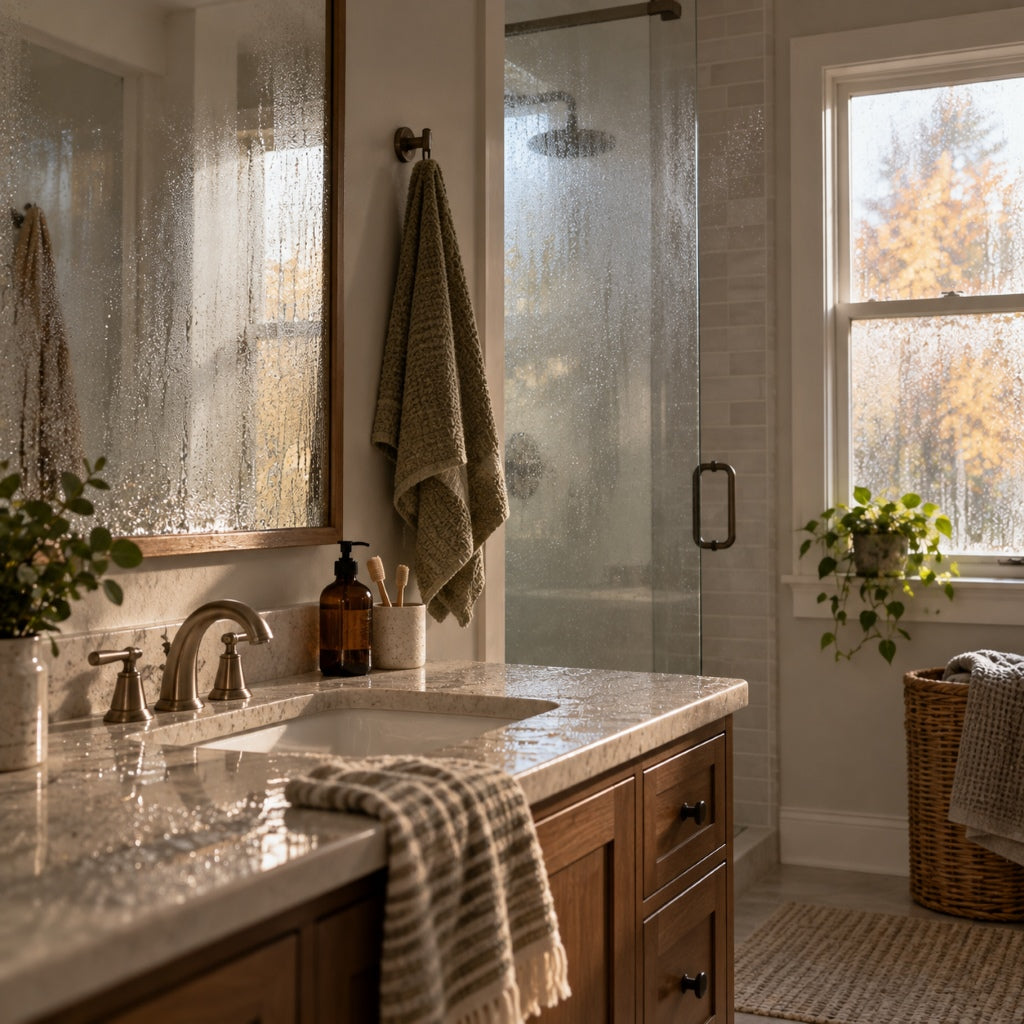
Early fall brings cooler temperatures, shorter days, and a welcome break from summer heat. But inside the home, the transition into fall can create conditions that allow mold problems to linger or become more noticeable.
After months of summer humidity, excess moisture may remain in bathrooms, basements, kitchens, laundry rooms, crawl spaces, and other areas of the home. As windows stay closed more often and indoor airflow changes, lingering moisture can create conditions that support mold growth.
Understanding how fall humidity, moisture, and ventilation affect mold can help you spot potential problems early and make indoor air quality part of your seasonal home maintenance routine.
Why Mold Can Become a Problem in Early Fall
The transition from summer to fall does not happen overnight. Outdoor temperatures may begin to drop while moisture from the warmer months remains trapped indoors.
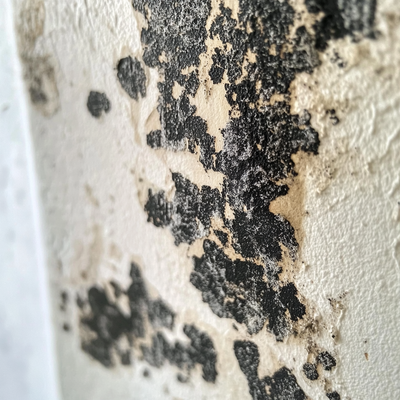
Areas with poor ventilation or recurring moisture are especially important to monitor. Damp bathrooms, humid basements, condensation around windows, plumbing leaks, and previous water damage can all create conditions where mold may continue to develop.
That is why mold problems can appear or persist in early fall even when the weather outside feels cooler and less humid.

How Fall Humidity Can Contribute to Mold Growth
Humidity plays an important role in indoor mold growth. Moisture can collect in areas that are easy to overlook, particularly where airflow is limited.
During summer, air conditioning can help remove some moisture from indoor air. As temperatures cool, homeowners may run their air conditioners less frequently while also keeping windows closed more often. This shift can change both ventilation and indoor moisture levels.
Watch for common warning signs such as:
- Musty odors in rooms, closets, or basements
- Visible mold or discoloration
- Condensation around windows or exterior walls
- Damp basement or crawl-space areas
- Recurring moisture beneath sinks or around plumbing
- Water damage that has not been fully addressed
Why Moisture Control Should Come First
An air purifier can be part of a broader indoor air quality strategy, but it should not replace moisture control or mold remediation.
If a leak, condensation problem, high humidity, or other moisture issue is contributing to mold growth, correcting the source should be the first priority. Cleaning affected areas and addressing water intrusion can help remove the conditions that allow mold to continue developing.
Once moisture problems have been addressed, air purification can provide an additional layer of protection by targeting airborne pollutants and particles.
Do Air Purifiers Help with Mold?
Do air purifiers help with mold? The answer depends on the type of purification technology being used and what you want the system to accomplish.
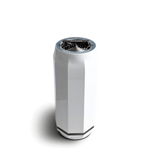
Traditional filtration-based air purifiers work by capturing airborne particles as they pass through a filter. Puraclenz Photon takes a different approach by using patented photocatalytic oxidation, or PCO, purification.
Photon produces ions designed to dynamically deactivate pollutants in the air and on surfaces. The technology is designed to reduce mold spores and help address lingering odors associated with mold.
Independent laboratory testing found the Photon purifier was 95.1% effective at reducing airborne Aspergillus brasiliensis and 99.75% effective at reducing Candida albicans on surfaces.
How Puraclenz Photon Addresses Mold Concerns
The Photon P3000X is designed as an air and surface purifier for spaces up to 3,000 square feet. Its patented PCO purification technology operates continuously, producing ions that interact with pollutants in the air and on surfaces throughout the treated space.
For homeowners looking for an air purifier for mold, this approach differs from systems that rely solely on conventional particle filtration.
Photon also includes a 4-hour Boost Mode for periods when more intensive purification is desired, along with five fan speeds and a Dark Mode for more flexible operation.
If you are researching the best air purifier for mold, it is important to understand how different purification technologies work. Some systems focus primarily on capturing particles inside the purifier, while others are designed to provide continuous purification throughout the room.
What to Look for in an Air Purifier for Mold
When comparing air purifiers for mold, consider more than the product name or marketing claims. Focus on how the purifier works, the size of the space it can handle, and the maintenance it requires.
1. Purification Technology
Consider how the system interacts with airborne pollutants and whether it is designed to address both air and surfaces.
Puraclenz Photon uses patented PCO purification designed to dynamically deactivate pollutants outside the purifier rather than relying only on particles passing through a filter.
2. Room Coverage
Choose a purifier designed for the size of the area where it will operate. Using an undersized system in a large space may limit its effectiveness.
The Photon P3000X is designed for spaces up to 3,000 square feet.
3. Continuous Operation
Mold and indoor air quality concerns can develop over time, so continuous operation may be beneficial.
Photon is designed to operate 24/7 and includes adjustable fan speeds that allow homeowners to customize operation based on the room and their preferences.
4. Maintenance Requirements
Maintenance is another important consideration when choosing a mold air purifier.
Puraclenz recommends replacing or washing the Photon pre-filter approximately every six to seven months, depending on the air quality of the installation space and assuming continuous use.
Can an Air Purifier Help with Mold in Your Home?
An appropriately designed air purifier can be one part of a comprehensive strategy for managing mold-related indoor air quality concerns, especially when airborne pollutants are present.
However, an air purifier should never be viewed as a replacement for fixing water leaks, reducing excessive moisture, or addressing established mold growth.
If you have visible mold, recurring moisture, or ongoing water damage, address the underlying source first. Air purification can then be used alongside moisture management, ventilation, and appropriate cleaning practices.
Will an Air Purifier Help with Mold Odors?
Musty odors are often one of the first noticeable signs of a potential indoor mold or moisture problem.
Photon is designed to help reduce lingering odors while continuously purifying indoor air. Its product information specifically describes the system as helping reduce mold growth and musty odors.
However, if a musty smell repeatedly returns after cleaning, investigate the source of the moisture rather than relying on odor reduction alone.
Early Fall Mold Prevention Checklist
Early fall is a good time to inspect areas of your home where moisture may have accumulated during the summer.
- Check bathrooms for recurring condensation or damp areas.
- Inspect beneath sinks and around plumbing connections.
- Look for signs of water intrusion in basements and crawl spaces.
- Check windows and exterior walls for condensation.
- Inspect areas affected by previous leaks or water damage.
- Clean and maintain ventilation systems as needed.
- Monitor indoor humidity and improve airflow where possible.
- Consider continuous air purification in rooms where indoor pollutants are a recurring concern.
These simple seasonal checks can help you catch moisture problems before they develop into larger mold or indoor air quality concerns.
Why Photon Can Be Part of Your Fall Indoor Air Quality Routine
Early fall is an ideal time to reassess indoor air quality before your home becomes more closed up for the colder months.
Managing moisture, improving airflow, repairing water damage, and using an appropriate air purifier can all play a role in a more complete indoor air quality strategy.
For homeowners comparing the best air purifiers for mold, Puraclenz Photon offers PCO purification designed to work continuously in the air and on surfaces. The Photon P3000X provides coverage for spaces up to 3,000 square feet and includes a 4-hour Boost Mode for times when additional purification is desired.

Final Thoughts
Early fall can be an important transition period for indoor air quality. Summer humidity and moisture may remain indoors even as outdoor temperatures begin to fall, creating conditions that deserve attention.
The best approach starts with moisture management. Repair leaks, reduce excess humidity, improve ventilation, and address any existing water damage or mold growth.
From there, an air purification system can become part of an ongoing indoor air quality routine. If you are looking for an air purifier for mold, compare the purification technology, coverage area, maintenance requirements, and the types of pollutants the system is designed to address.
Puraclenz Photon uses patented PCO purification to continuously target pollutants in the air and on surfaces, making it an option to consider as you prepare your home for fall.
Recommended products

Photon Air & Surface Purifier
$399.99
Recommended articles

