 Free Shipping
 2-Year Warranty
 30-Day Money Back Guarantee


Winter Indoor Air Quality: 8 Ways to Prepare Your Home
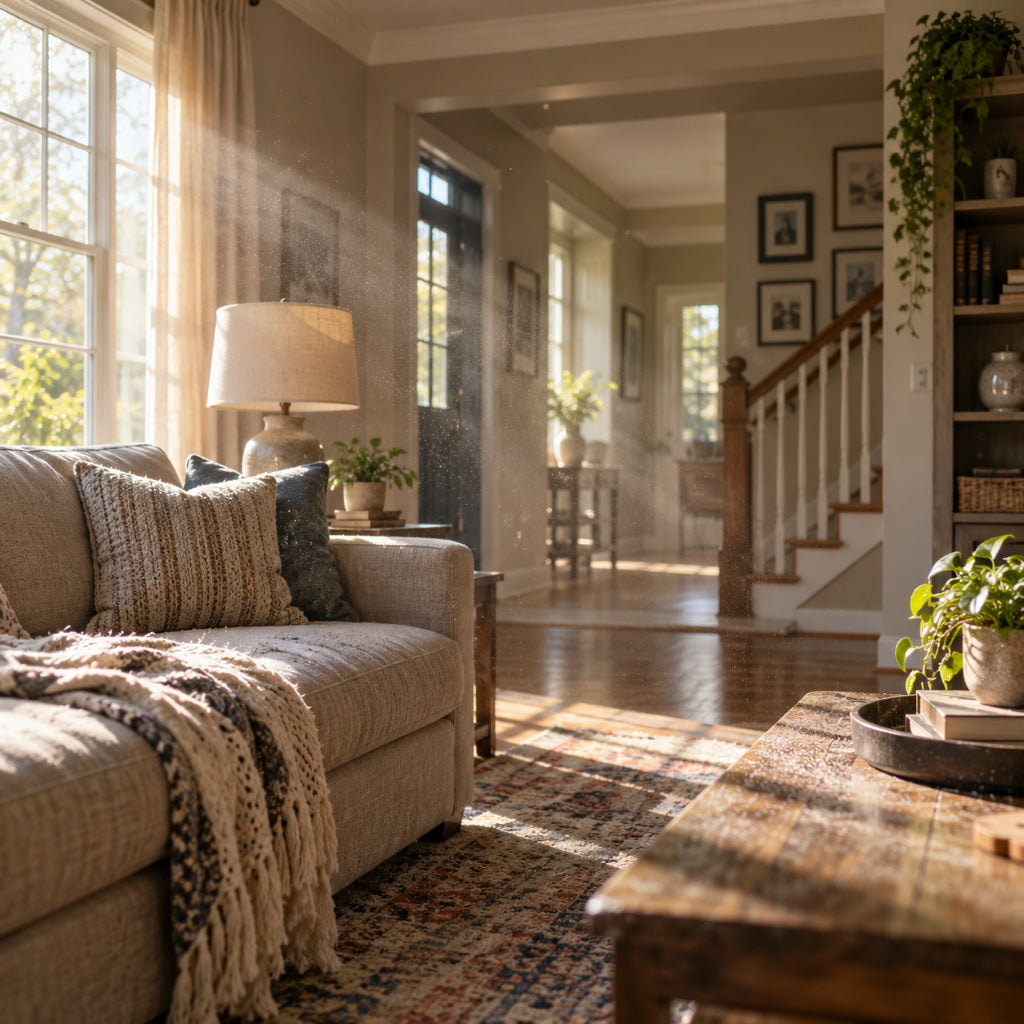
As temperatures drop, keeping your home's air clean becomes more important. Windows stay closed, heating systems run more often, and families spend more time indoors. These changes can allow dust, odors, allergens, and other airborne pollutants to build up.
The good news? A few simple steps can help you improve indoor air quality before winter and maintain a healthier indoor environment throughout the colder months.
From HVAC maintenance and humidity control to regular cleaning and air purification, here's how to prepare your home for winter.
Why Does Indoor Air Quality Get Worse in Winter?
Indoor air quality can change during winter because homes typically receive less fresh outdoor air. Keeping windows and doors closed helps conserve heat, but it can also limit natural ventilation.
Several factors can contribute to poor indoor air quality during colder months:
- Dust and allergens, including pet dander, can accumulate indoors.
- Forced-air heating systems can circulate airborne particles throughout your home.
- Cooking, cleaning products, and everyday activities can introduce odors and pollutants.
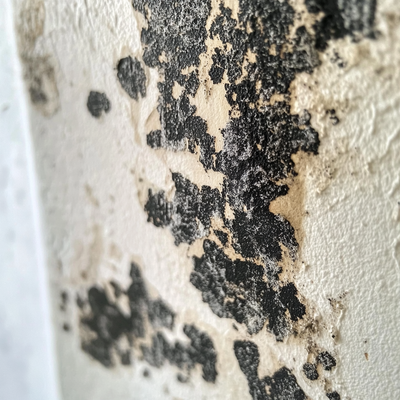
- Condensation around cold windows and other surfaces can create conditions where mold and mildew develop.
- Reduced outdoor airflow can allow indoor pollutants to linger.
Understanding these seasonal challenges can help you take practical steps to maintain cleaner indoor air.

1. Check Your HVAC System Before Winter
Your heating, ventilation, and air conditioning (HVAC) system plays an important role in maintaining indoor air quality.
Before temperatures drop, inspect your HVAC filter and replace it if needed. Dirty or clogged filters can restrict airflow and reduce the system's ability to capture airborne particles.
Follow these HVAC maintenance tips:
- Replace filters according to the manufacturer's recommendations.
- Check air vents and return registers for blockages.
- Remove dust from accessible vent covers.
- Keep furniture and curtains away from vents.
- Schedule professional HVAC maintenance when necessary.
A properly maintained heating system supports consistent airflow and helps limit the circulation of dust throughout your home.
2. Control Indoor Humidity to Help Prevent Mold
Managing indoor humidity is another important step in preparing your home for winter.
When warm indoor air meets cold windows or exterior walls, condensation can form. Excess moisture around windows, bathrooms, basements, and other damp areas can create favorable conditions for mold and mildew.
To help control moisture during winter:
- Use bathroom and kitchen exhaust fans when needed.
- Repair leaking pipes and plumbing fixtures.
- Check windowsills for recurring condensation.
- Monitor indoor humidity with a hygrometer.
- Use a dehumidifier when necessary.
- Investigate persistent moisture problems.
An air purifier can help address certain airborne pollutants, but it cannot eliminate the source of a moisture problem.
For long-term indoor air quality improvements, address leaks and excess humidity alongside your air purification routine.
3. Reduce Indoor Dust and Allergens
Dust can accumulate quickly during winter, especially when windows remain closed and heating systems operate regularly.
Common household surfaces, including carpets, bedding, furniture, and curtains, collect dust and other particles. Walking, vacuuming, and everyday movement can disturb these particles and release them back into the air.
Regular cleaning helps limit this buildup.
Try these simple cleaning habits:
- Vacuum carpets and rugs regularly, preferably with a HEPA-equipped vacuum.
- Dust furniture, shelves, and ceiling fans with a damp microfiber cloth.
- Wash bedding and frequently used blankets.
- Clean hard floors to remove settled particles.
- Maintain upholstered furniture according to manufacturer instructions.
- Groom pets and clean areas where they spend time.
Focus on bedrooms and living rooms, where household members often spend the most time.
Combining regular cleaning with effective air filtration can help reduce both settled dust and airborne particles.
4. Choose the Right Air Purifier for Winter
Even with regular cleaning and HVAC maintenance, some pollutants can remain airborne.
Using an air purifier during winter can help capture certain airborne particles and support your home's overall indoor air quality routine.
However, not all air purifiers offer the same features.
When choosing an air purifier, consider these important factors:
HEPA Filtration
High-efficiency particulate air (HEPA) filters capture airborne particles, including dust, pollen, and pet dander.
HEPA filtration can be especially useful during winter when airborne particles may circulate throughout enclosed spaces.
Activated Carbon Filtration
Activated carbon can help reduce certain household odors and gaseous pollutants.
This feature may be particularly useful during colder months when cooking odors and other smells can linger due to limited ventilation.
Room Coverage
Choose an air purifier designed for the space where you plan to use it.
Check the manufacturer's coverage specifications and understand whether those ratings apply to particle filtration, other purification technologies, or both.
Noise Levels
If you plan to operate an air purifier in your bedroom, living room, or home office, consider its noise level.
Quiet operation can make continuous or overnight use more comfortable.
Maintenance Requirements
Consider how often filters and other components need replacement.
Choosing a system with manageable maintenance requirements can make it easier to maintain consistent performance.
5. How Puraclenz Core Supports Winter Indoor Air Quality
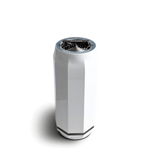
Puraclenz Core is an air and surface purification system that combines multiple technologies to address different indoor air quality concerns.
Unlike systems that rely exclusively on particle filtration, Core incorporates H13 True HEPA filtration, activated carbon, UV-C technology, and patented photocatalytic oxidation (PCO) purification.
Each technology serves a different purpose.
H13 True HEPA Filtration
Core uses H13 True HEPA filtration designed to capture airborne particles such as dust, pollen, and pet dander.
Its HEPA filtration system is rated for spaces up to 1,575 square feet, while its PCO purification coverage extends up to 3,000 square feet.
These ratings refer to different purification functions and should not be considered interchangeable.
Activated Carbon for Household Odors
Core includes activated carbon to help address certain odors and gaseous pollutants.
This can be especially relevant during winter when limited ventilation allows cooking odors and other household smells to linger.
UV-C Technology
UV-C technology is another component of Core's multi-stage purification system.
It works alongside the unit's other purification technologies as part of its approach to addressing specified indoor pollutants.
Patented PCO Air and Surface Purification
Core also uses patented photocatalytic oxidation (PCO) technology.
This technology is designed to address certain pollutants beyond those captured through conventional particle filtration.
Core's combination of air and exposed-surface purification provides homeowners with an additional approach to managing indoor pollutants.
For households looking to address multiple winter indoor air quality concerns, Core brings these technologies together in one system.
6. Consider a Quiet Air Purifier for Bedrooms
Winter often means spending more time in bedrooms, living rooms, and home offices.
If you plan to run an air purifier throughout the day or overnight, operating noise can affect your comfort.
A quieter system may be more suitable for sleeping, working, reading, or relaxing.
Core includes a Night Mode and operates at noise levels as low as 23 decibels (dB) on its lowest setting.
When comparing air purifiers, consider noise levels at different fan speeds. Higher settings may produce more sound than the lowest advertised rating.
Choosing a purifier that fits your daily routine can help make consistent operation more practical.
7. Improve Indoor Ventilation During Winter
Although opening windows in freezing weather may not always be practical, ventilation remains important for indoor air quality.
Proper ventilation helps exchange indoor air with outdoor air, reducing the buildup of certain indoor pollutants.
To improve ventilation during winter:
- Use kitchen exhaust fans while cooking.
- Run bathroom exhaust fans during and after showers.
- Maintain your home's existing ventilation equipment.
- Open windows briefly when outdoor conditions and temperatures allow.
- Follow manufacturer recommendations for ventilation system maintenance.
Ventilation and air purification serve different purposes.
Ventilation helps bring fresh air indoors, while air filtration and purification technologies address certain pollutants already present in the home.
Using these approaches together can support a more comprehensive indoor air quality strategy.
8. Follow This Winter Indoor Air Quality Checklist
Preparing your home for colder weather doesn't have to be complicated.
Use this winter indoor air quality checklist to keep essential maintenance tasks organized.
- Inspect and replace HVAC filters when necessary.
- Check heating vents and return registers for obstructions.
- Vacuum carpets, rugs, and upholstered furniture.
- Dust furniture, shelves, and frequently used surfaces.
- Wash bedding and blankets regularly.
- Monitor indoor humidity and window condensation.
- Repair leaks and investigate damp areas.
- Use exhaust fans in bathrooms and kitchens.
- Check your air purifier's coverage and operating settings.
- Inspect filters and other purifier maintenance components.
Completing these tasks before winter can help you maintain a cleaner, more comfortable indoor environment throughout the season.

Are Air Purifiers Worth It in Winter?
Yes, an air purifier can be a useful addition to your winter indoor air quality routine, especially if you're concerned about airborne dust, allergens, and certain household pollutants.
However, its effectiveness depends on several factors, including:
- The pollutants you're trying to address.
- The purifier's filtration and purification technologies.
- Your room size and layout.
- How consistently you operate the system.
- Whether you follow recommended maintenance schedules.
A basic HEPA air purifier primarily focuses on capturing airborne particles.
A multi-stage purification system may also incorporate activated carbon and other technologies designed to address additional indoor air quality concerns.
Core combines H13 True HEPA filtration, activated carbon, UV-C technology, and patented PCO purification in one air and surface purification system.
For homeowners seeking a more comprehensive approach, these technologies provide multiple ways to address different indoor pollutants.
Prepare Your Home for Cleaner Indoor Air This Winter
Improving indoor air quality before winter starts with a few practical habits.
Maintain your HVAC system, reduce accumulated dust, manage indoor humidity, and ventilate your home when conditions allow.
Adding an air purifier can provide another layer of support by addressing certain airborne pollutants and, depending on the technology, other indoor air quality concerns.
If you're looking for an air purification system that combines multiple technologies, the Puraclenz Core offers H13 True HEPA filtration, activated carbon, UV-C technology, and patented PCO purification.
Taking these steps before temperatures drop can help you maintain a more consistent indoor air quality routine throughout winter.
Recommended products

Core Air & Surface Purifier + HEPA
$649.99
Recommended articles

