 Free Shipping
 2-Year Warranty
 30-Day Money Back Guarantee



Wildfire Smoke Season: How to Improve Wildfire Smoke Indoor Air Quality
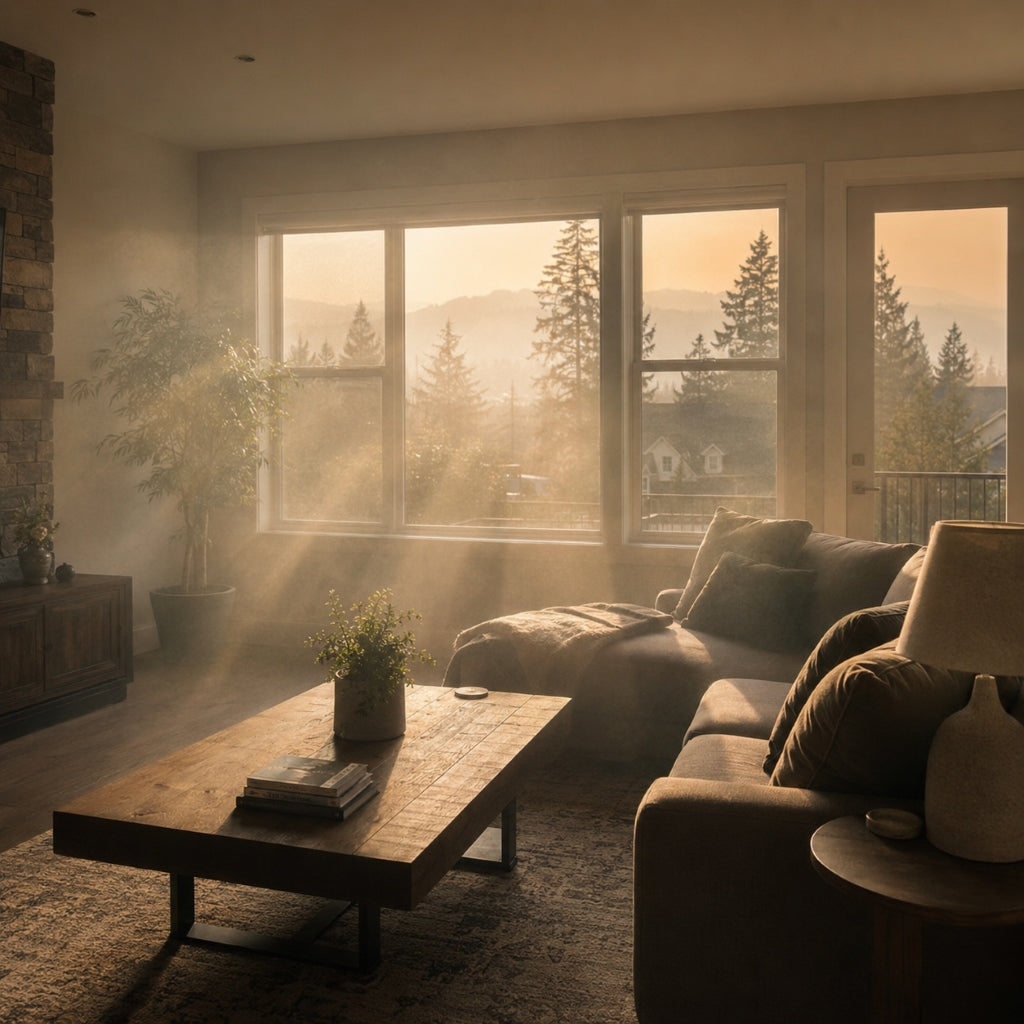
Wildfire season has become a growing concern across many regions, bringing more than hazy skies and outdoor air quality alerts. Wildfire smoke can travel hundreds or even thousands of miles, affecting homes far from the active fire zone. Even when doors and windows are closed, tiny smoke particles can still make their way indoors and impact indoor air quality.
Understanding how wildfire smoke affects your home, and taking practical steps before and during smoke events, can help create a cleaner, more comfortable indoor environment throughout smoke season.
Why Wildfire Smoke Matters Indoors
Wildfire smoke is a complex mixture of gases and fine particulate matter, including PM2.5. These microscopic particles are small enough to remain suspended in the air and may enter homes through ventilation systems, small gaps around doors and windows, and everyday indoor-outdoor traffic.
During peak smoke events, indoor air may contain:
- Fine smoke particles, including PM2.5
- Ash and soot
- Volatile organic compounds, also known as VOCs
- Outdoor dust and debris
- Lingering smoke odors
Because people spend much of their time indoors, improving indoor air quality becomes especially important during wildfire season.

How Wildfire Smoke Enters Your Home
Even newer homes are not completely sealed from outdoor pollutants. Wildfire smoke can move indoors through several pathways, including:
- HVAC systems
- Open doors and windows
- Gaps around window frames, doors, and vents
- Attics and crawl spaces
- Frequent trips in and out of the home
Once inside, smoke particles can linger in the air and settle on surfaces, fabrics, carpet, and upholstery.
Signs Wildfire Smoke Has Affected Indoor Air
Wildfire smoke is not always easy to see indoors. However, you may notice signs that smoke-related pollutants have entered your home, such as:
- A persistent smoky odor
- Visible haze in sunlight
- Increased dust or residue on surfaces
- Irritated eyes, nose, or throat
- Reduced indoor comfort
Because smoke particles are extremely small, indoor air quality may be affected even when the air does not look visibly smoky.
Smoke Season Home Protection Strategies
No single solution can completely isolate a home from wildfire smoke. However, several steps may help reduce smoke-related pollutants indoors and support cleaner air during smoke season.
Keep Windows and Doors Closed
When outdoor air quality alerts are issued, keep windows and doors closed as much as possible. Avoid bringing outdoor air directly inside unless your HVAC system is designed to provide effective filtration.
Upgrade HVAC Filtration
Higher-efficiency HVAC filters may help capture fine particles before they circulate throughout your home. Before upgrading, check your HVAC system’s filter compatibility and airflow requirements.
Reduce Indoor Pollutant Sources
During wildfire smoke events, it is helpful to avoid activities that add more particles or odors to indoor air, including:
- Burning candles
- Smoking indoors
- Frying foods at high temperatures
- Using wood-burning fireplaces
Reducing indoor particle sources can help prevent additional pollutants from building up while outdoor air quality is poor.
Monitor Indoor Air Quality
Indoor air quality monitors that track PM2.5 levels can provide useful insight during smoke events. Monitoring can help you understand when indoor conditions are changing and when additional air quality steps may be needed.
The Role of an Air Purifier During Wildfire Season
Air purifiers are commonly used during wildfire season to help reduce airborne particles associated with smoke. Many people searching for wildfire smoke solutions look for terms such as:
- air purifier for smoke
- best air purifier for smoke
- best air purifier for cigarette smoke
- smoke air purifier
The effectiveness of an air purifier depends on the technologies it uses, the size of the space, and how consistently the system runs. Air purifiers that combine HEPA filtration, activated carbon, and additional purification technologies may help address a broader range of smoke-related indoor pollutants.
How the Puraclenz Core Supports Cleaner Indoor Air
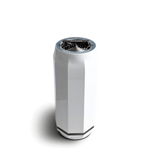
The Puraclenz Core combines multiple purification technologies in one system to help reduce airborne particles, odors, VOCs, and pollutants on exposed surfaces. The Core includes:
- H13 True HEPA filtration
- Photocatalytic Oxidation, or PCO, technology
- Activated carbon filtration
- UV-C purification
- Indoor air quality monitoring
The Core is designed to cover spaces up to 3,000 square feet through PCO purification, while HEPA filtration covers up to 1,575 square feet. Its activated carbon component helps reduce smoke odors and VOCs, while the HEPA filter captures small airborne particles, including particles associated with smoke.
HEPA Filtration for Smoke Particles
HEPA filtration is widely used because it captures very small airborne particles. The Puraclenz Core uses an H13 True HEPA filter designed to trap 99.97% of particles down to 0.1 microns, including dust, pollen, smoke, and allergens 4.
Activated Carbon for Smoke Odors and VOCs
Smoke often contains odors and gaseous compounds that standard particle filters may not fully address. Activated carbon filtration is commonly used to help reduce smoke odors and VOCs associated with wildfire events.
PCO Purification Beyond Filtration
Traditional filtration works by pulling air through a filter. Photocatalytic Oxidation, or PCO, works differently by generating ozone-free ions that interact with pollutants in the air and on exposed surfaces. This gives the Core an added layer of purification beyond filtration alone.
Choosing the Best Air Purifier for Smoke
When comparing air purifiers for wildfire season, homeowners often search for the best air purifier for smoke or the best air purifier for cigarette smoke because both situations involve airborne particles, odors, and gases. A smoke air purifier that combines HEPA filtration with activated carbon and advanced purification technologies may help reduce a wider range of smoke-related pollutants indoors.
When evaluating an air purifier for smoke, consider:
- Room coverage
- HEPA filtration
- Activated carbon filtration
- Airflow and continuous operation
- Additional purification technologies
- Indoor air quality monitoring features
Choosing the right system can help support cleaner indoor air during wildfire smoke events and throughout smoke season.
Creating a Wildfire Smoke Action Plan
Preparing before smoke season begins can help reduce stress and disruption when outdoor air quality declines.
Consider creating a wildfire smoke checklist that includes:
- Replacing HVAC filters before smoke season
- Checking seals around windows and doors
- Monitoring local air quality alerts
- Running an air purifier continuously during smoke events
- Reducing indoor particle sources
- Keeping windows and doors closed when outdoor air quality is poor
Having a plan in place may help improve indoor comfort when wildfire activity increases.

Wildfire Smoke Indoor Air: Staying Prepared
Wildfire smoke events can happen with little warning and may affect areas far beyond active fires. Taking steps to manage wildfire smoke indoor air can help create a cleaner indoor environment during peak smoke season.
Combining practical home strategies with advanced purification technologies may help reduce smoke particles, odors, VOCs, and other pollutants indoors. Systems like the Puraclenz Core bring together HEPA filtration, activated carbon, UV-C, PCO purification, and indoor air quality monitoring to support cleaner indoor air throughout wildfire season.
Recommended products

Core Air & Surface Purifier + HEPA
$649.99
Recommended articles

