 Free Shipping
 2-Year Warranty
 30-Day Money Back Guarantee



Why Your Home Feels Stuffy in Warm Weather
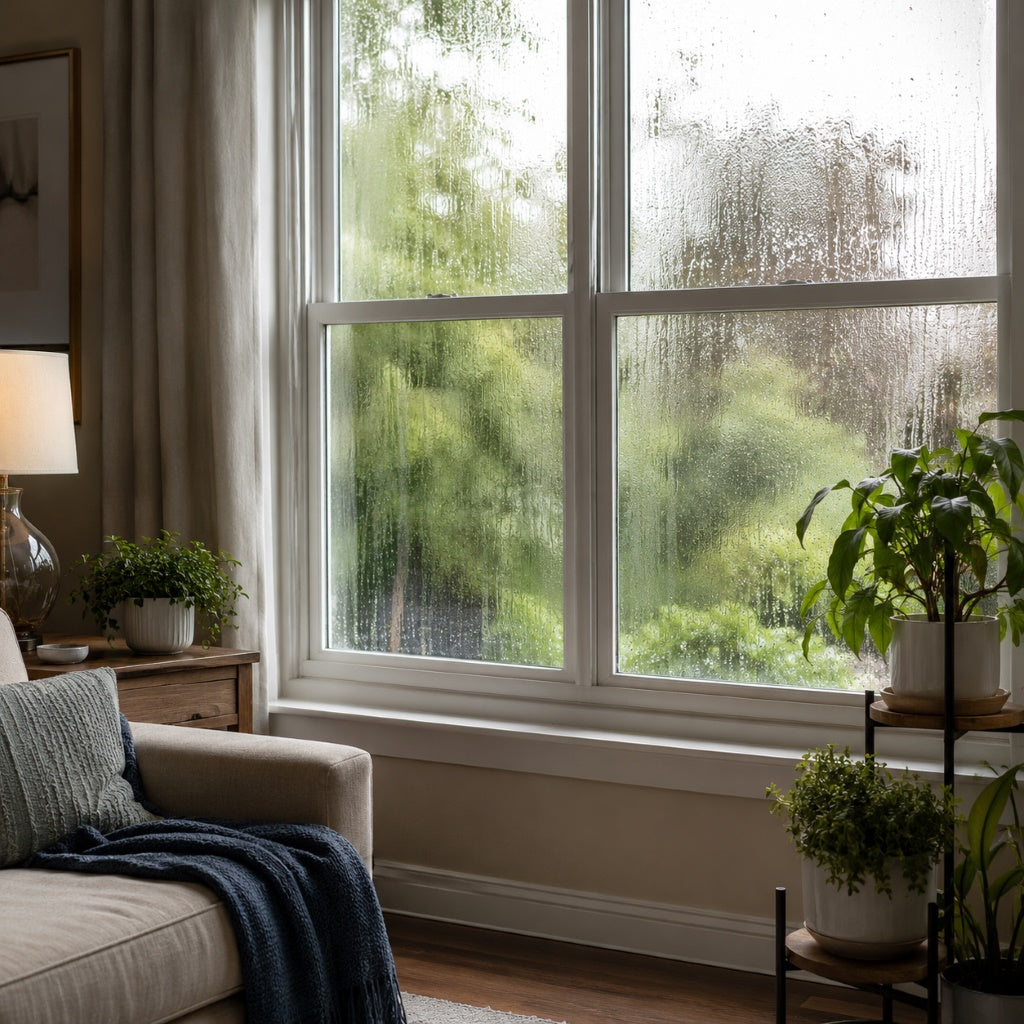
As temperatures rise, many homeowners notice that indoor spaces begin to feel heavier, warmer, and more uncomfortable. Even with air conditioning running, rooms can seem stagnant or difficult to cool evenly. This combination of trapped heat, humidity, and limited ventilation often contributes to poor indoor comfort and declining stuffy house air quality.
Warm weather indoor air conditions can affect how air moves throughout the home. During the summer months, homes are often sealed tightly to keep cooled air inside, but that can also trap airborne pollutants, excess moisture, odors, and dust indoors for longer periods. In many cases, poor airflow home conditions become more noticeable because warm air circulation patterns shift throughout the day.
Understanding why indoor spaces feel stuffy during warm weather can help homeowners improve airflow, reduce indoor pollutants, and create a more comfortable environment.

Why Warm Weather Makes Indoor Air Feel Heavy
During summer, indoor environments experience several changes that can impact airflow and comfort:
- Higher outdoor humidity entering the home
- Increased HVAC system usage
- Closed windows reducing fresh air exchange
- Warm air collecting in upper levels and corners
- Cooking, cleaning, and indoor activities adding airborne particles
- Dust and allergens 4 circulating continuously through ventilation systems
When airflow slows or becomes uneven, stale air can accumulate in bedrooms, hallways, and larger living spaces. This may lead to rooms feeling warmer, heavier, or less fresh throughout the day.
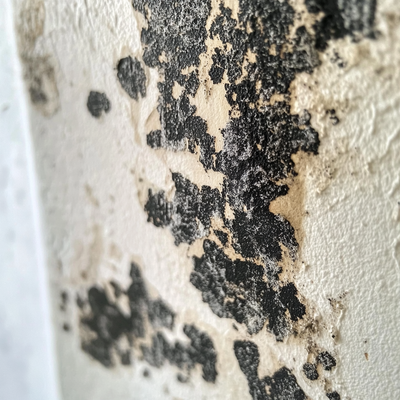
Humidity also plays a major role in stuffy house air quality. Moisture in the air can make indoor spaces feel warmer while contributing to conditions where mold 1 and mildew 1 may develop around vents, windows, bathrooms, or damp areas.
How Poor Airflow Affects Indoor Air Quality
Homes with limited circulation can allow indoor pollutants to remain suspended in the air for longer periods. As air repeatedly cycles through HVAC systems without proper filtration or ventilation, particles may continue circulating throughout the home.
Common indoor pollutants during warm weather include:
- Dust and pet dander
- Pollen entering through doors and windows
- Cooking odors and smoke particles
- Volatile organic compounds (VOCs)
- Mold 1 spores in humid areas
- Fungal allergens 1 associated with moisture buildup
This is one reason many homeowners begin researching whether an air purifier for mold 1 may help improve indoor conditions during warmer months. Areas with excess humidity and limited airflow can create environments where airborne particles and moisture-related pollutants become more noticeable.
Can Air Purifiers Help with Warm Weather Indoor Air?
Air purification systems are commonly used to support indoor air quality when ventilation alone is not enough. Many homeowners ask questions such as:
- Do air purifiers help with mold 1?
- Can an air purifier help with mold 1?
- Will an air purifier help with mold 1 in humid rooms?
While controlling moisture remains important, air purification systems can help reduce airborne particles associated with indoor pollutants. A mold 1 air purifier may assist in reducing airborne mold 1 spores and other particles that circulate through indoor spaces.
Homeowners often search for the best air purifier for mold 1 or compare different air purifiers for mold 1 when looking to improve indoor comfort during humid seasons.
How the Puraclenz Core Supports Indoor Air Quality
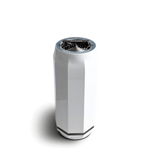
The Puraclenz Core is designed to support cleaner indoor environments by combining advanced filtration with active purification technologies. During warm weather, indoor air can become trapped and recirculated throughout the home for extended periods, especially when HVAC systems run continuously.
The Core uses a multi-stage purification approach that includes:
- Medical-grade HEPA filtration
- Activated carbon filtration
- Photo catalytic oxidation (PCO) purification technology
- Advanced airflow designed for larger living areas
This combination helps reduce airborne particles commonly associated with warm weather indoor air conditions, including dust, odors, smoke particles, allergens 4, and airborne pollutants.
For homeowners researching an air purifier mold 1 solution or comparing the best air purifiers for mold 1, systems that combine HEPA filtration with advanced purification technologies may offer broader indoor air support.
Signs Your Home May Have Poor Airflow
Several common signs may indicate airflow issues during warmer months:
- Rooms feeling warmer than others
- Lingering indoor odors
- Condensation near windows or vents
- Dust buildup shortly after cleaning
- Stale or heavy-feeling indoor air
- Uneven cooling throughout the home
- Humidity remaining high indoors
These conditions often become more noticeable during summer because HVAC systems are under heavier demand while homes remain more tightly sealed.

Ways to Improve Warm Weather Indoor Air
Improving indoor airflow and reducing airborne pollutants may help create a more comfortable environment during warmer months. Some helpful strategies include:
- Changing HVAC filters regularly
- Using ceiling fans to improve circulation
- Reducing excess indoor humidity
- Keeping vents unobstructed
- Cleaning dust buildup around registers and returns
- Using an air purification system in high-traffic areas
- Running bathroom and kitchen exhaust fans consistently
For homes dealing with persistent humidity or airborne pollutants, some homeowners also explore mold 1 removal air purifier systems as part of a broader indoor air quality strategy.
Conclusion
Warm weather can make indoor spaces feel stuffy due to trapped heat, excess humidity, and limited airflow. As homes remain sealed during summer cooling, indoor pollutants may continue circulating throughout living spaces, contributing to poor airflow home conditions and declining comfort.
Improving ventilation, reducing moisture, and using advanced air purification systems can help support better stuffy house air quality throughout the warmer months. Solutions like the Puraclenz Core are designed to help reduce airborne pollutants while supporting cleaner, fresher indoor environments during periods of increased HVAC use and seasonal humidity.
Recommended products

Core Air & Surface Purifier + HEPA
$649.99

