 Free Shipping
 2-Year Warranty
 30-Day Money Back Guarantee



Why Does Your House Smell Stale When the Windows Stay Closed?

When winter temperatures drop, keeping your windows closed helps maintain a comfortable indoor temperature. However, reduced ventilation can allow cooking smells, pet odors, and other household pollutants to linger, leaving your home smelling stale or feeling stuffy.
If your house smells stale in winter, poor ventilation may be one of several contributing factors. Everyday activities introduce odors and airborne pollutants, while limited fresh air exchange makes it harder for them to disperse.
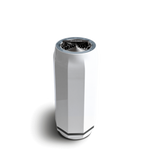
Regular cleaning, proper ventilation, and air purification can help. The Puraclenz Core C750 Air & Surface Purifier combines HEPA filtration, activated carbon, UV-C, and photocatalytic oxidation (PCO) technology to help manage certain airborne pollutants as part of a broader indoor air quality routine.
Understanding why your house smells stale when the windows stay closed can help you identify the source of unpleasant odors and keep your home feeling fresher throughout winter.

Why Does Your House Smell Stale When Windows Stay Closed?
Your home collects odors from everyday activities, including cooking, cleaning, and caring for pets. Household products, excess moisture, and accumulated dust can also affect indoor air quality.
During warmer months, opening windows and doors allows fresh outdoor air to circulate through your living spaces. In winter, windows often remain closed for extended periods, reducing natural ventilation.
Without adequate fresh air exchange, odor-causing compounds and other indoor pollutants can accumulate.
Common causes of stale indoor air include:
- Poor ventilation: Closed windows and doors reduce fresh air exchange.
- Cooking odors: Food smells can linger long after meals.
- Pet odors: Bedding, carpets, and furniture can trap unpleasant smells.
- Household products: Cleaning supplies, air fresheners, and fragrances can release airborne compounds.
- Dust and particles: Household debris accumulates on surfaces and circulates through indoor air.
- Excess moisture: Humidity and condensation can contribute to musty odors.
These factors often become more noticeable during winter, when homes receive less outdoor air.
5 Common Reasons Your House Smells Stale in Winter
1. Cooking Odors Linger Without Proper Ventilation
Cooking releases airborne compounds that can spread beyond the kitchen. Frying, roasting, sautéing, and preparing heavily seasoned foods may produce odors that linger for hours.
During winter, homeowners are less likely to open windows after cooking. As a result, food smells can remain in nearby rooms and become absorbed into curtains, upholstery, and other fabrics.
To reduce cooking odors, use a kitchen exhaust fan that vents outdoors. Regularly clean stovetops, countertops, range hoods, and nearby surfaces to prevent lingering smells.
2. Pet Odors Build Up in Carpets and Furniture
Pets can contribute to household odors, particularly when they spend more time indoors during colder weather.
Pet bedding, carpets, blankets, and upholstered furniture collect hair, dander, oils, and odor-causing particles. Limited ventilation can make these smells more noticeable.
Wash pet bedding regularly, vacuum carpets and furniture, and clean areas where pets frequently rest.
An air purifier with activated carbon may also help reduce certain airborne odor-causing compounds associated with pets.
3. Household Products Release Odor-Causing Compounds
Cleaning products, scented candles, air fresheners, paints, adhesives, and certain household materials can release volatile organic compounds (VOCs).
Some VOCs produce noticeable odors, especially in enclosed spaces with limited ventilation. When windows remain closed during winter, these compounds may linger indoors longer.
To reduce household chemical odors, choose low-VOC or fragrance-free products when possible. Avoid unnecessary air fresheners and follow manufacturer ventilation instructions when using cleaners or products with strong fumes.
4. Excess Moisture Causes Musty Smells
If your house smells musty in winter, excess moisture may be responsible.
Bathrooms, basements, laundry rooms, and areas around windows are particularly vulnerable to moisture buildup. Condensation can also form when warm indoor air meets colder surfaces.
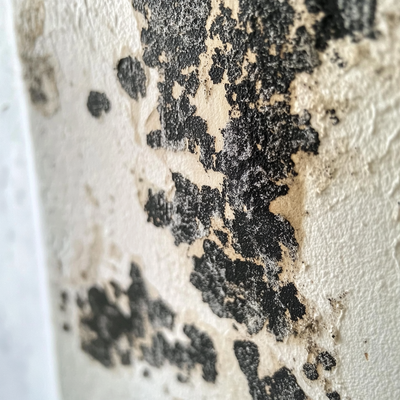
Persistent moisture can encourage mold and mildew growth, which may produce musty odors.
Watch for common signs of excess moisture:
- Condensation around windows
- Damp bathroom walls and surfaces
- Wet towels or laundry
- Musty basement corners
- Plumbing leaks
- Damp areas with poor air circulation
To prevent musty odors, repair leaks, run bathroom exhaust fans, dry wet materials promptly, and monitor indoor humidity.
An air purifier can help manage certain airborne pollutants, but it cannot correct moisture problems or replace proper mold remediation.
5. Dust and Airborne Particles Accumulate Indoors
Dust, pet dander, lint, and other particles continuously accumulate inside your home.
During winter, heating systems circulate indoor air throughout your living spaces. Some airborne particles are captured by HVAC filters, while others settle on carpets, furniture, bedding, and household surfaces.
Although dust itself may not produce a strong odor, accumulated household debris can contribute to an environment that feels stale.
Regular vacuuming, dusting, washing bedding, and maintaining HVAC filters can help reduce indoor particles.
Using an air purifier with HEPA filtration can provide additional support by capturing airborne dust, pet dander, and other particles.
How to Freshen Indoor Air Without Opening Windows All Winter
Opening windows provides fresh outdoor air, but freezing temperatures can make this impractical for extended periods.
Fortunately, several strategies can help reduce stale odors and improve winter indoor air quality without keeping your windows open throughout the day.
1. Use Kitchen and Bathroom Exhaust Fans
Proper ventilation helps remove moisture, odors, and airborne pollutants from enclosed spaces.
Run your kitchen exhaust fan while cooking and use bathroom ventilation during and after showers.
Make sure exhaust fans operate properly and vent air outdoors rather than simply recirculating it.
2. Clean Surfaces That Trap Household Odors
Unpleasant household smells often originate from fabrics, furniture, appliances, and other indoor surfaces.
Maintain a regular cleaning routine that includes:
- Vacuuming carpets and rugs
- Washing bedding and blankets
- Cleaning upholstered furniture
- Emptying household trash
- Washing pet bedding
- Cleaning kitchen appliances
- Drying damp towels and laundry promptly
Removing odors at their source is generally more effective than masking them with air fresheners.
3. Monitor Indoor Humidity Levels
Indoor humidity affects how your home feels and smells.
Excess moisture increases the risk of condensation, musty odors, and mold growth, particularly in areas with limited airflow.
Use a digital hygrometer to monitor indoor humidity. A commonly recommended range is approximately 30% to 50% relative humidity, although lower levels may be necessary during very cold weather to prevent condensation.
If humidity remains elevated, investigate potential moisture sources and consider using a properly sized dehumidifier.
4. Maintain Your HVAC System
Your heating system circulates air throughout your home during winter.
Dirty HVAC filters can restrict airflow and reduce the system's ability to capture airborne particles.
Check filters regularly and replace them according to the manufacturer's recommendations. Periodic HVAC inspections can also help ensure your system operates efficiently.
Keep in mind that most conventional heating and cooling systems primarily recirculate indoor air rather than introduce fresh outdoor air.
5. Consider an Air Purifier with HEPA and Activated Carbon Filtration
Air purifiers can provide additional support when managing stale indoor air and recurring household odors.
Different air purification technologies serve different purposes:
- HEPA filtration: Captures airborne particles such as dust, pollen, pet dander, and mold spores.
- Activated carbon: Helps capture certain gaseous pollutants and odor-causing compounds.
- Photocatalytic oxidation (PCO): Uses a light-activated catalyst to help reduce certain pollutants through chemical reactions.
- UV-C technology: Can help inactivate certain microorganisms under appropriate operating conditions.
For homeowners seeking multiple purification technologies, the Puraclenz Core C750 Air & Surface Purifier combines H13 True HEPA filtration, activated carbon, UV-C technology, and PCO purification.
Its multi-stage design helps address airborne particles and certain gaseous pollutants while incorporating PCO technology for additional air and surface purification.
When winter weather limits natural ventilation, an air purifier can complement regular cleaning, moisture management, and appropriate fresh air exchange.
Can an Air Purifier Help with Stale Air in Winter?
Yes, an air purifier can help reduce certain airborne pollutants that contribute to stale indoor air. However, its effectiveness depends on the purification technologies used and the source of the odor.
HEPA filtration captures airborne particles but does not directly remove gaseous odors. Activated carbon helps capture certain odor-causing compounds, while PCO technology offers an additional approach to treating certain pollutants.
Air purifiers do not replace ventilation, and they cannot resolve plumbing leaks, excess humidity, or active mold problems.
When choosing an air purifier for winter, consider:
- HEPA filtration for airborne particles
- Activated carbon for certain odors and VOCs
- Additional purification technologies such as PCO
- Coverage appropriate for your room size
- Noise levels for everyday operation
- Filter maintenance and replacement requirements
A multi-stage air purifier can be a useful addition to your indoor air quality routine, particularly when reduced ventilation allows pollutants to accumulate during colder months.

Keep Your Home Smelling Fresh Throughout Winter
If your house smells stale when the windows stay closed, poor ventilation, cooking odors, pets, household products, dust, and excess moisture may be contributing to the problem.
The best approach starts with identifying and addressing the source of unpleasant smells. Regular cleaning, humidity control, HVAC maintenance, and proper ventilation can help maintain fresher indoor air.
Air purification provides another layer of support by reducing certain airborne particles and odor-causing compounds.
Recommended products

Core Air & Surface Purifier + HEPA
$454.99
Recommended articles

