 Free Shipping
 2-Year Warranty
 30-Day Money Back Guarantee



Whole-Home vs Portable Air Purifiers: How Extreme Heat Impacts Indoor Air Quality
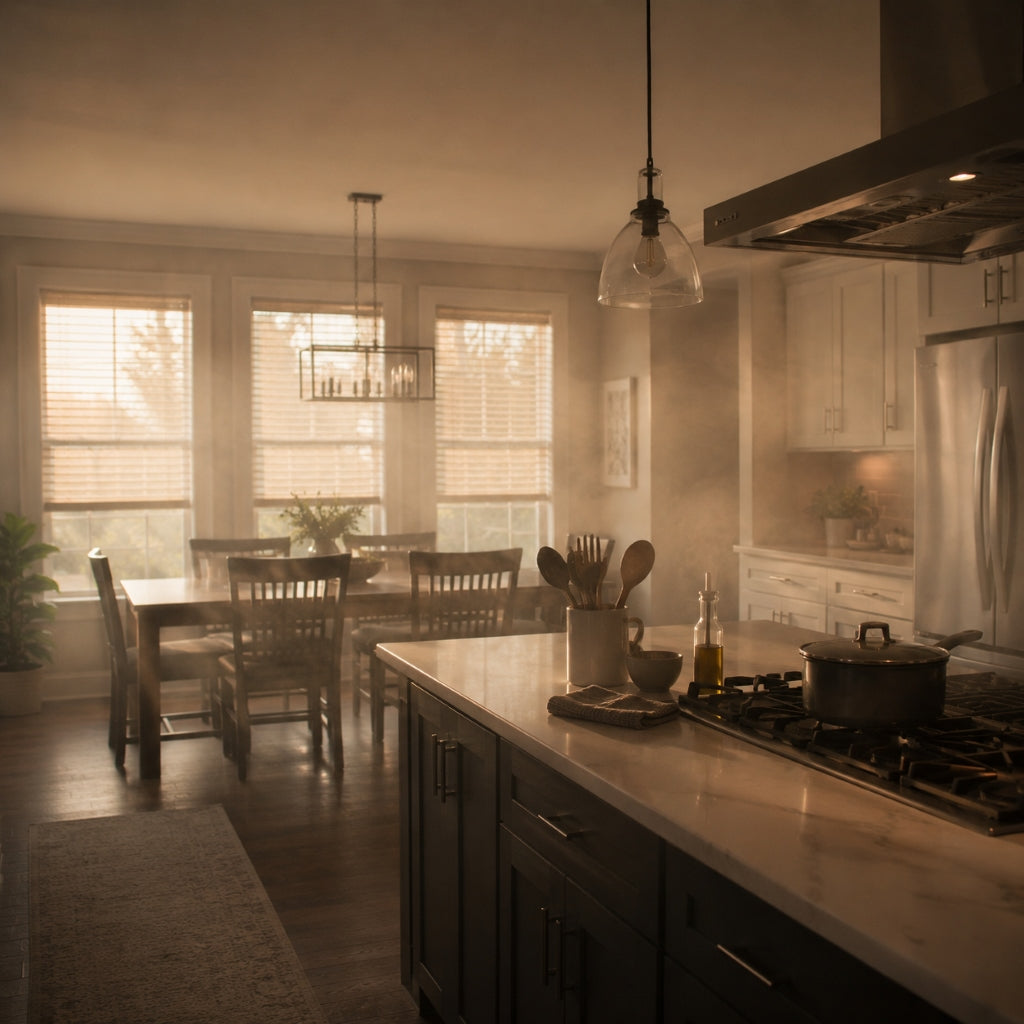
Extreme heat changes more than the temperature inside your home. During a heatwave, windows and doors usually stay closed, air conditioning systems run for longer periods, and the same indoor air may circulate repeatedly throughout the day.
These conditions can make summer indoor air quality more difficult to manage. Dust, pollen, smoke particles, odors, volatile organic compounds (VOCs), pet dander, and other pollutants can accumulate indoors when fresh-air ventilation is limited.
Choosing the right air purifier can provide an additional layer of support, but homeowners often face an important question: Is a whole-home system or a portable air purifier better during periods of extreme heat?

How Extreme Heat Affects Indoor Air Quality
When outdoor temperatures become dangerously high, keeping the home cool must remain the priority. Opening windows may not be practical, especially when outdoor air is hot, humid, smoky, or polluted.
However, closing the home for extended periods can reduce the exchange of indoor and outdoor air. Pollutants generated inside the home may linger longer, while outdoor contaminants that enter through doors, windows, vents, and small building leaks can become trapped indoors.
Common hot weather indoor air concerns include:
- Dust and fine airborne particles
- Wildfire smoke and outdoor pollution
- Pollen and seasonal allergens 4
- Pet dander
- VOCs from cleaners, paint, furnishings, and household products
- Cooking, trash, pet, and musty odors
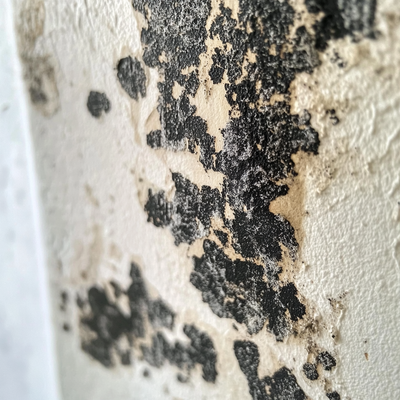
- Mold 1 spores in damp areas
- Particles recirculating through the HVAC system
Extreme heat can also overlap with wildfire season, elevated ozone, drought, and poor outdoor air quality. As a result, heatwave air quality is not exclusively an outdoor concern. Conditions outside can directly affect the air inside your home.
Why Air Conditioning Alone May Not Be Enough
Air conditioning is essential for maintaining a safe indoor temperature, but cooling air is not the same as cleaning it.
Most central HVAC systems use a filter to help protect the equipment and capture some particles as air passes through the system. The effectiveness of that filter depends on its rating, condition, fit, and compatibility with the HVAC equipment.
Central air can also continue circulating pollutants that are already indoors. Dust, pollen, pet dander, and smoke particles may move between rooms or settle onto furniture, carpets, bedding, and other surfaces before becoming airborne again.
Replacing the HVAC filter regularly remains important, but improving summer indoor air quality often requires a layered approach that includes source control, humidity management, cleaning, ventilation when conditions allow, and dedicated air purification.
What Is a Whole-Home Air Purifier?
A traditional whole-home air purifier is usually installed within or alongside a central HVAC system. It treats air as the heating or cooling system moves that air through the home’s ductwork.
This approach can be useful for:
- Homes with central heating and cooling
- Large or multistory homes
- Open-concept layouts
- Households seeking centralized filtration
- Homes where the HVAC fan runs frequently
A whole-home system can provide broad coverage, but its effectiveness depends heavily on the home’s ductwork and airflow. Rooms with closed doors, limited return airflow, or uneven cooling may receive less treatment than other areas.
Installation may also require an HVAC professional, and the system cannot easily be moved when air quality concerns shift from one part of the home to another.
What Is a Portable Air Purifier?
A portable air purifier is a stand-alone unit that can be placed in a bedroom, living room, office, basement, or another frequently occupied space. Unlike an HVAC-integrated system, it can operate independently of the central air conditioner.
Portable systems are often chosen because they provide:
- Targeted purification in high-use rooms
- Simple plug-and-play operation
- Flexible placement
- Independent operation from the HVAC system
- Additional support in rooms with weak airflow
- Purification for apartments or homes without central air
This flexibility can be especially valuable during extreme heat. Families may spend more time in a particular living area during the day and move to bedrooms at night. A portable system allows purification to be concentrated where it is most needed.
Whole-Home vs Portable Air Purifiers: Key Differences
| Feature | Whole-Home System | Portable Air Purifier |
|---|---|---|
| Coverage | Multiple HVAC-connected rooms | A room, zone, or broader area depending on the model |
| Installation | Professional installation may be required | Usually plug-and-play |
| Placement | Fixed within or near the HVAC system | Can be positioned where needed |
| Operation | Often tied to HVAC airflow | Operates independently |
| Targeted Use | Limited room-specific control | Useful for bedrooms and high-use spaces |
| Maintenance | Centralized filter or system maintenance | Maintenance for each individual unit |
| Seasonal Flexibility | Fixed coverage | Can be repositioned as conditions change |
Neither approach is automatically right for every household. The better option depends on the home’s layout, airflow, square footage, HVAC design, pollutant concerns, and where occupants spend the most time.
Why Extreme Heat Makes Portable Purification Useful
Heat does not affect every room equally. Upper floors and south-facing rooms may become warmer, while bedrooms with closed doors may receive less conditioned air. Basements may remain cooler but experience higher humidity or musty odors.
Portable air purifiers allow homeowners to respond to these differences. A unit can be placed in a heavily occupied living space, near a bedroom, or in another area where dust, smoke, odors, or poor airflow are more noticeable.
A quiet air purifier can be particularly helpful in bedrooms because it can continue operating overnight without becoming excessively disruptive. Adjustable fan speeds or a dedicated night setting can make continuous operation easier during periods when the home remains closed around the clock.
Why Summer Air Quality Requires More Than Basic Filtration
Many homeowners begin their search by looking for an air purifier with a HEPA filter. HEPA filtration is important because it can capture very small particles that physically pass through the filter.
However, summer air quality concerns are not limited to airborne dust. A home may be dealing with several pollutants at once, including:
- Fine smoke particles
- Pollen and pet dander
- VOCs
- Cooking and household odors
- Mold 1 spores
- Bacteria 3
- Pollutants that settle on exposed surfaces
Filtration only works after polluted air enters the unit. That is why it is important to compare the complete purification system rather than focusing only on whether a product contains a filter.
How the Puraclenz Core Supports Summer Indoor Air Quality
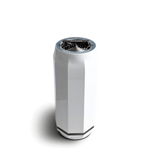
The Puraclenz Core Air & Surface Purifier + HEPA is a stand-alone purifier designed to provide broad purification without being permanently installed in an HVAC system.
It combines several complementary technologies:
- H13 True HEPA filtration to trap 99.97% of dust, pollen, pet dander, allergens 4, bacteria 3, and mold 1 down to 0.1-micron particles
- Activated carbon to help trap smoke, VOCs, and odors
- UV-C technology to treat pollutants that pass through or become trapped within the filter system
- Patented PCO technology designed to address pollutants in the air and on exposed surfaces
- PM2.5 air quality monitoring to provide information about indoor particle levels
This combination gives the Core a useful position between a conventional room purifier and a permanently installed whole-home system. It retains the flexibility of a stand-alone unit while offering more comprehensive technology for homes dealing with several summer pollutants at once.
The Core is designed to operate continuously, making it suitable for long periods when heat, smoke, or poor outdoor conditions require the home to remain closed. Its adjustable operation also helps homeowners balance purification and sound levels throughout the day and night.
Can One Portable Air Purifier Clean an Entire Home?
That depends on the purifier, the home’s size, its layout, and how easily air moves between rooms.
Even a purifier with a large stated treatment area may not distribute purified air evenly through closed doors, narrow hallways, separate floors, or rooms with limited airflow. Coverage ratings should therefore be considered alongside the actual structure of the home.
For an open floor plan, one properly positioned purifier may support a broad connected area. A larger or divided home may benefit from multiple units or a layered strategy that combines central HVAC filtration with stand-alone purification in bedrooms and frequently occupied rooms.
Are Air Purifiers Worth It During a Heatwave?
Homeowners asking are air purifiers worth it should consider the conditions created by extreme heat. Air purifiers do not cool the home, replace air conditioning, remove the source of pollution, or correct a moisture problem. However, they can help reduce airborne pollutants while the home remains closed and indoor air continues to recirculate.
An air purifier may be especially valuable during summer when:
- Wildfire smoke or poor outdoor air quality prevents window ventilation
- Dust and pollen continue circulating indoors
- Household odors linger in closed spaces
- Pets spend more time inside
- Air conditioning runs continuously
- Bedrooms or offices have limited airflow
- Several pollutants need to be addressed at the same time
The greatest benefit generally comes from operating the purifier consistently, positioning it correctly, maintaining its filters and replacement components, and combining it with other indoor air quality practices.
How to Improve Indoor Air During Extreme Heat
Whether you use a whole-home system, a portable purifier, or both, follow these steps to improve heatwave air quality inside your home:
1. Check outdoor air quality before opening windows
Ventilation can be helpful when outdoor conditions are good. During wildfire smoke, high ozone, or poor particle pollution, however, opening windows may introduce more contaminants.
2. Maintain your HVAC system
Replace filters on schedule, keep supply and return vents unobstructed, and arrange professional maintenance when the system is not cooling or circulating air properly.
3. Reduce indoor pollution sources
Avoid smoking, candles, incense, strong fragrance products, and unnecessary aerosol sprays. Use kitchen and bathroom exhaust fans when appropriate.
4. Manage humidity
Use air conditioning, exhaust fans, or a dehumidifier to address damp indoor areas. Air purification can support cleaner air, but it cannot repair a leak or remove the underlying source of excess moisture.
5. Clean without redistributing dust
Use a damp microfiber cloth instead of dry dusting. Vacuum with a HEPA-equipped vacuum when available, wash bedding regularly, and clean around HVAC returns and vents.
6. Position the purifier carefully
Place the unit where airflow is not blocked by furniture, curtains, or walls. Prioritize occupied spaces and follow the manufacturer’s clearance and placement instructions.
7. Run the purifier consistently
Continuous operation provides more consistent treatment than only turning the purifier on after smoke, dust, or odors become noticeable.

Choosing the Right Summer Air Purifier
When comparing air purifiers for extreme heat, consider:
- The size and layout of the intended space
- Particle filtration performance
- Odor, smoke, and VOC support
- Air and surface purification capabilities
- Noise levels during continuous operation
- Replacement filter and maintenance requirements
- Air quality monitoring
- Placement flexibility
A traditional whole-home purifier may make sense for homeowners seeking centralized treatment through an existing HVAC system. A portable system may be more appropriate when purification needs to be targeted, repositioned, or operated independently from central air.
For homeowners seeking broader stand-alone purification, the Puraclenz Core combines True HEPA, activated carbon, UV-C, and patented PCO technology in one air and surface purification system.
Build a Better Summer Indoor Air Quality Strategy
Extreme heat can turn the home into a more enclosed environment where dust, smoke, pollen, VOCs, odors, and other pollutants circulate for longer periods. Improving summer indoor air quality therefore requires more than simply lowering the thermostat.
Maintain the HVAC system, reduce indoor pollutant sources, manage moisture, clean carefully, monitor outdoor conditions, and use dedicated air purification to treat the air inside.
Whole-home systems offer centralized treatment through HVAC airflow, while portable air purifiers offer targeted operation and flexible placement. The Puraclenz Core bridges these needs by combining stand-alone convenience with True HEPA filtration, activated carbon, UV-C, PCO purification, and indoor PM2.5 monitoring for comprehensive summer air quality support.
Recommended products

Core Air & Surface Purifier + HEPA
$649.99
Recommended articles

