 Free Shipping
 2-Year Warranty
 30-Day Money Back Guarantee



VOCs in Summer: Why Warm Weather Can Make Indoor Air Worse

When most people think about summer air quality, they picture pollen, wildfire smoke, or hazy skies. But one of the biggest changes happens inside your home. As temperatures rise, many everyday household products release volatile organic compounds (VOCs), creating a noticeable increase in indoor pollution.
Paint, flooring, furniture, cleaning supplies, air fresheners, and even certain fabrics naturally release VOCs over time. During warm weather, this process accelerates, meaning your home may contain higher concentrations of airborne chemicals than it does during cooler months.
Understanding why this happens can help you make better decisions about ventilation, household products, and air purification during the hottest months of the year.

What Are VOCs?
Volatile Organic Compounds (VOCs) are chemicals that easily evaporate into the air at room temperature. They come from hundreds of common household materials, including:
- Paints and stains
- New furniture
- Flooring and carpeting
- Cabinets and building materials
- Cleaning products
- Air fresheners
- Candles
- Personal care products
- Adhesives and glues
Every home contains some VOCs. The amount present depends on the age of your home, the products you use, and how well your home is ventilated.
Why Summer Increases Indoor VOC Levels
Heat speeds up a process called off-gassing.
As temperatures increase, materials release chemical vapors more quickly. Even products that have been in your home for months—or years—may emit more VOCs during extended periods of hot weather.
Common summer conditions that contribute include:
- Higher indoor temperatures
- Increased humidity
- Closed windows while running air conditioning
- Reduced natural ventilation
- Sunlight heating furniture and flooring
Together, these factors allow warm weather chemicals to build up indoors, sometimes making indoor pollution worse than outdoor air.
Common Summer Sources of Indoor Pollution
Home Improvement Projects
Summer is one of the busiest seasons for painting, remodeling, and installing new flooring. Fresh materials often release VOCs for days or weeks after installation.
Cleaning Products
Deep cleaning before vacations or family gatherings often involves products that contain chemical solvents and fragrances.
Outdoor Equipment Storage
Gasoline-powered equipment, paint supplies, and gardening chemicals stored in attached garages can contribute additional VOCs that migrate indoors.
New Furniture
Summer sales often mean new mattresses, couches, or cabinets—all of which may release VOCs after delivery.
Signs VOC Levels May Be Increasing
Higher VOC concentrations don't always have an obvious smell. However, some homeowners notice:
- Strong chemical odors
- "New furniture" smells
- Paint-like odors
- Lingering cleaning product scents
- Stuffy indoor air
These odors may become more noticeable during hot afternoons when indoor temperatures peak.
Why Ventilation Isn't Always Enough
Opening windows can help dilute indoor pollutants.
However, during summer this isn't always practical.
Outdoor air may also contain:
- Smoke
- Pollen
- Dust
- Humidity
- Outdoor pollution
Running air conditioning helps cool your home, but it often recirculates existing indoor air instead of bringing in fresh outside air.
That's why many homeowners combine ventilation with air purification designed to address multiple categories of indoor pollutants.
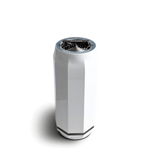
How Puraclenz Core Helps Address Indoor Pollution
The Core combines several purification technologies into one system designed to address a broad range of indoor pollutants. Its five-stage purification process includes:
- Patented PCO Purification technology
- Pre-filter
- H13 True HEPA filtration
- Activated carbon filtration
- UV-C purification
The activated carbon filter helps reduce odors and VOCs, while the H13 True HEPA filter captures airborne particles such as dust, pollen, pet dander, mold 1, and allergens 4. The patented PCO Purification technology works alongside these filtration stages to address airborne and surface pollutants. The Core also includes an air quality sensor with Auto Mode that adjusts fan speed as indoor particle levels change.
Tips for Reducing Summer VOCs Indoors
While no single solution removes every source of VOCs, these habits can help lower overall indoor pollution:
- Ventilate after painting or remodeling.
- Store chemicals outside living spaces whenever possible.
- Avoid excessive use of heavily fragranced products.
- Keep indoor temperatures consistent.
- Replace HVAC filters regularly.
- Use an air purifier with activated carbon filtration.
- Follow manufacturer recommendations for filter replacement.
Small improvements throughout the home can collectively reduce indoor pollutant buildup during warm weather.
Don't Forget Humidity
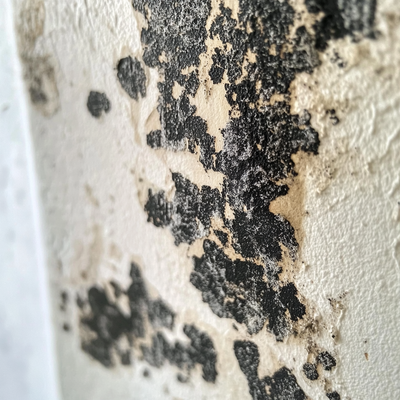
Humidity doesn't create VOCs, but it often makes indoor air feel heavier while encouraging conditions favorable for mold 1 growth and musty odors.
Using dehumidification alongside air purification can help create a more comfortable indoor environment throughout the summer months.
Final Thoughts
Summer sunshine may feel refreshing outside, but warmer temperatures can increase the release of VOCs from everyday household materials. Combined with closed windows and air conditioning, these warm weather chemicals can contribute to elevated indoor pollution.
By understanding where VOCs come from and using a combination of ventilation, humidity control, and multi-stage air purification, homeowners can better manage indoor air quality throughout the hottest months of the year.
Recommended products

Core Air & Surface Purifier + HEPA
$649.99
Recommended articles

