 Free Shipping
 2-Year Warranty
 30-Day Money Back Guarantee



VOC Exposure From Cleaning Products: What to Know
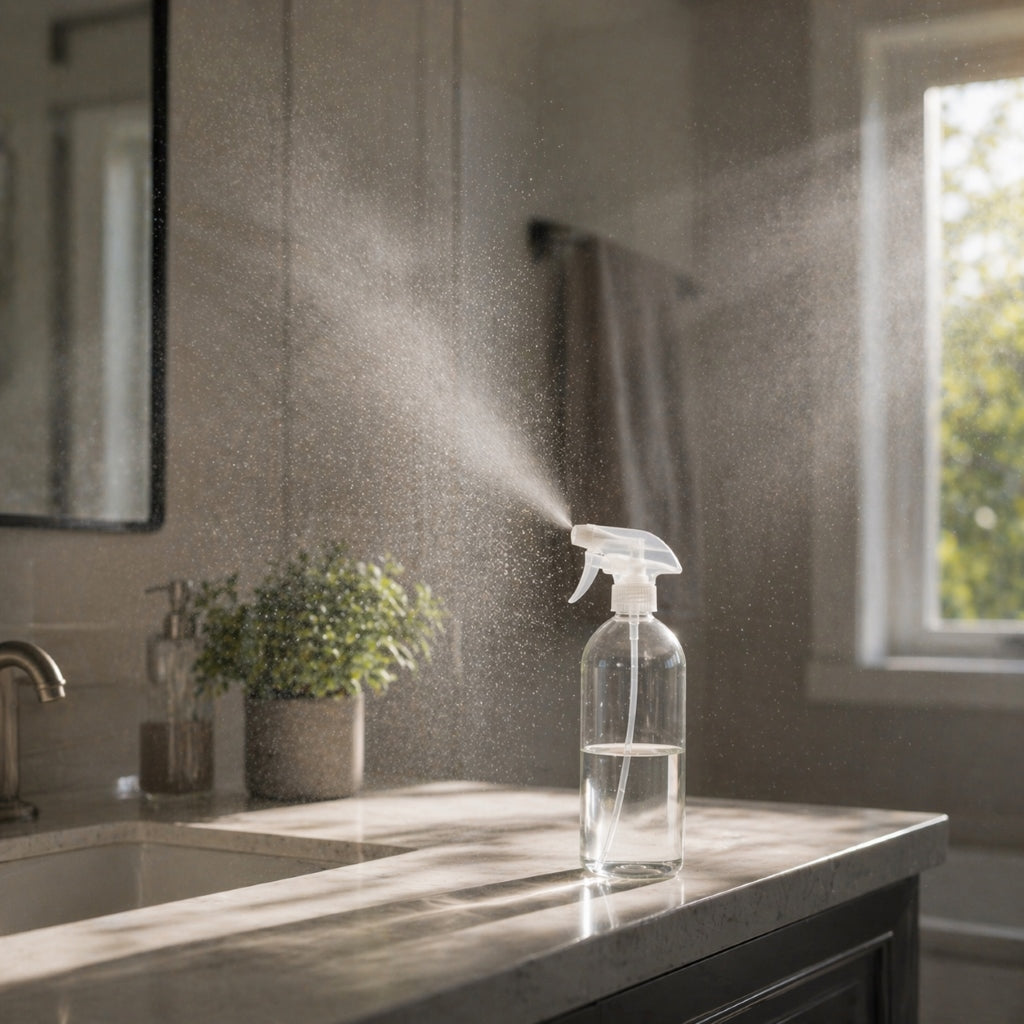
Most people clean their homes to create a healthier space, but many don’t realize that common products can release invisible pollutants into the air. Cleaning products VOC (volatile organic compounds) are one of the most overlooked sources of indoor air contamination. These chemical emissions can linger long after surfaces look spotless, affecting how your home feels and how you breathe.
If you’ve ever noticed strong smells after cleaning or experienced headaches or irritation, VOC exposure may be the reason. Understanding how these compounds behave, and how to reduce them effectively, is key to improving your indoor environment.
What Are Cleaning Products VOC?
Cleaning products VOC are chemicals that evaporate into the air at room temperature. They are commonly found in sprays, disinfectants, air fresheners, and degreasers. When you use these products, they release gases that mix into your indoor air through a process called off-gassing.
Indoor VOC levels can be significantly higher than outdoor levels, especially during and after cleaning activities. These emissions don’t just disappear quickly, they can remain suspended in the air for hours or even longer.
Many toxic cleaning chemicals rely on VOCs to break down grease or leave behind a “fresh” scent. That clean smell is often a sign that chemical exposure is actively happening in your home.

Common Sources of VOCs in Cleaning Products
You may be exposed to VOCs more often than you think. Some of the most common household sources include:
- All-purpose cleaners and sprays
- Glass cleaners and surface wipes
- Air fresheners and scented products
- Floor cleaners and polishes
- Bleach-based and ammonia-based solutions
Fragrances are one of the biggest contributors. Added scents can increase VOC levels in cleaning products, even when labeled as “fresh” or “natural.”
Indoor VOC Symptoms You Shouldn’t Ignore
Exposure to VOCs can cause both immediate and long-term effects. The severity depends on concentration and duration, but even short-term exposure can lead to noticeable symptoms.
Common indoor VOC symptoms include:
- Eye, nose, and throat irritation
- Headaches and dizziness
- Nausea or fatigue
- Difficulty breathing
- Worsened reactions to airborne allergens 4
In more serious cases, prolonged exposure has been linked to impacts on the liver, kidneys, and central nervous system. This is why managing indoor VOC levels is not just about comfort, it’s about long-term indoor air quality.
Why Cleaning Can Make Air Quality Worse
Cleaning often stirs up particles and releases chemicals at the same time. While you remove visible dirt, you may also be increasing airborne pollutants.
During cleaning, VOC concentrations can spike significantly, especially in enclosed spaces with limited airflow. This creates a temporary but impactful drop in indoor air quality, even in homes that appear clean.
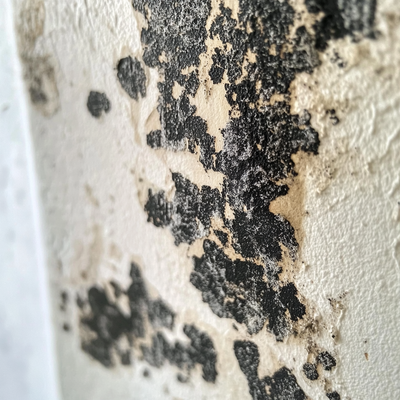
Without proper air treatment, these chemicals can linger and continue circulating throughout your living space alongside particles like dust, mold 1, and bacteria 3.
How the Puraclenz Core Helps Reduce VOC Exposure
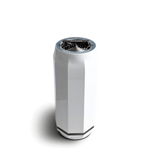
Managing cleaning products VOC requires more than just opening windows. A dedicated air treatment system like the Core is designed to actively improve indoor air quality at a deeper level.
The Core functions as an advanced air purifier with activated carbon filter technology, which plays a key role in addressing chemical pollutants. Activated carbon is widely recognized for its ability to adsorb VOC gases, helping reduce them from the air rather than simply redistributing them.
Unlike passive filtration systems, the Core works continuously to purify indoor air throughout the entire living space. This makes it especially effective after cleaning, when VOC levels are at their highest.
Key benefits of using the Core include:
- Reduction of airborne chemical pollutants from cleaning products
- Continuous air purification rather than one-time filtration
- Whole-home coverage for consistent air quality
- Support for improved indoor environments during daily activities
For households concerned about toxic cleaning chemicals, a VOC air purifier like the Core offers a proactive solution instead of relying solely on ventilation.
Simple Ways to Reduce VOC Exposure at Home
While an activated carbon air purifier is one of the most effective tools, combining it with better habits can further reduce exposure.
- Choose low-VOC or fragrance-free cleaning products
- Increase ventilation when cleaning
- Avoid mixing chemical cleaners
- Store products in sealed containers
- Use the Core during and after cleaning
These steps help minimize the buildup of airborne chemicals while supporting cleaner indoor air.

The Core goes beyond traditional filtration
Using advanced PCO (photocatalytic oxidation) purification technology to actively treat the air throughout your home. This process works at a molecular level to reduce airborne pollutants, including VOCs released from cleaning products, rather than relying solely on passive capture.
By continuously circulating and treating indoor air, the Core helps maintain more balanced air conditions after cleaning, when chemical levels are typically at their highest. This added layer of purification makes it a strong solution for addressing ongoing exposure to airborne chemicals in everyday living spaces.
Why VOC Awareness Matters
Cleaning products VOC are invisible, but their impact is real. From short-term discomfort to long-term concerns, these airborne chemicals can quietly affect your indoor environment every day.
By understanding the risks and using solutions like the Puraclenz Core, you can take control of your air quality. Cleaning your home should improve your environment—not introduce new pollutants into the space you rely on most.
With the right approach, you can enjoy a clean home and cleaner air at the same time.
Recommended products

Core Air & Surface Purifier + HEPA
$649.99
Recommended articles

