 Free Shipping
 2-Year Warranty
 30-Day Money Back Guarantee



Summer Allergies Indoors: Why Symptoms Don’t Go Away
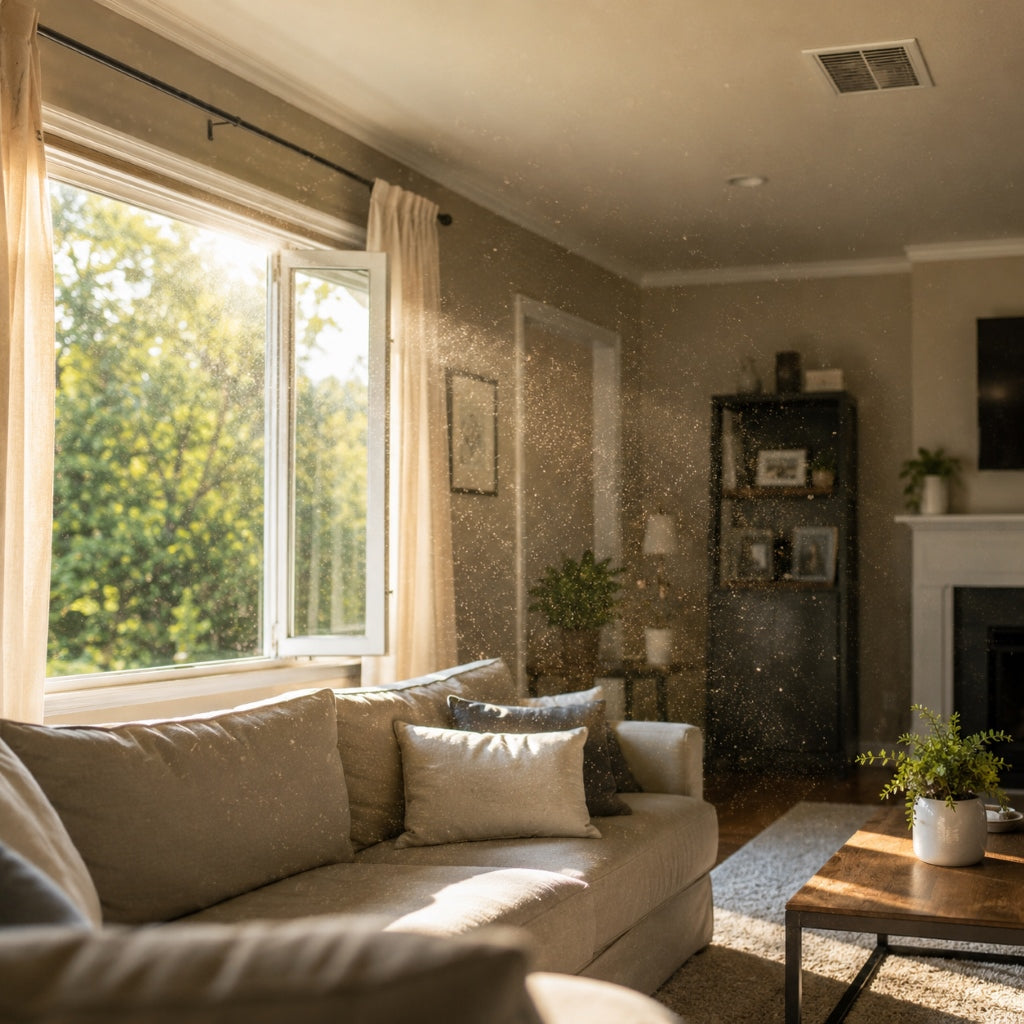
Summer is often associated with outdoor allergy triggers, but many people are surprised when their allergy symptoms continue even after spending more time indoors. Sneezing, congestion, itchy eyes, coughing, and sinus discomfort can linger throughout the season, leaving homeowners wondering why relief never seems to arrive.
The reality is that summer allergens don’t always stay outside. Pollen can enter through open doors and windows, attach to clothing and pets, and circulate through HVAC systems. Combined with indoor dust, pet dander, humidity, and mold 1, these pollutants can create an environment where allergy symptoms summer indoor issues persist long after outdoor exposure ends.
Understanding what contributes to indoor allergy symptoms during summer can help you take steps toward cleaner indoor air and greater comfort throughout the season.
Why Summer Allergy Symptoms Continue Indoors
Many people assume that going inside provides immediate relief from seasonal allergies. However, indoor environments often collect and concentrate allergens 4 that enter throughout the day.
Common indoor allergy triggers during summer include:
- Pollen indoors carried in through open windows and doors
- Dust and dust mite matter
- Pet dander and fur
- Mold 1 spores that thrive in humid conditions
- Outdoor particles brought in on clothing and shoes
- Smoke and airborne pollutants
- VOCs from cleaning products, paints, and furnishings
As these particles accumulate, allergy symptoms may continue even when outdoor pollen counts decline.

How Pollen Indoors Becomes a Problem
One of the biggest contributors to allergy symptoms summer indoor concerns is pollen indoors.
During summer, pollen enters homes through:
- Open windows
- Air conditioning systems
- Screens and doorways
- Clothing and hair
- Pets returning from outside
- Grocery bags and outdoor items
Once inside, pollen settles onto furniture, carpets, bedding, curtains, and HVAC filters. Every movement throughout the day can reintroduce these particles into the air, creating ongoing exposure.
Even homeowners who regularly clean may find that pollen continuously re-enters the home faster than it can be removed.
The Hidden Impact of Indoor Humidity
Summer humidity creates conditions that can make allergy symptoms feel worse.
Higher indoor moisture levels can contribute to:
- Increased mold 1 growth
- More fungal allergens 1
- Musty odors
- Dust mite activity
- Damp building materials
Bathrooms, basements, laundry rooms, and poorly ventilated areas are especially susceptible.
When humidity remains elevated, indoor air can feel heavier while allergen levels continue to increase.
Why HVAC Systems Can Spread Allergens
Your HVAC system plays a major role in summer indoor air quality.
As air circulates throughout the home, HVAC systems can move:
- Pollen indoors
- Dust particles
- Pet dander
- Mold 1 spores
- Smoke particles
- Allergens 4
Dirty filters or inadequate filtration may allow these particles to continue circulating room after room.
Many homeowners searching for an air purifier for allergies discover that improving air cleaning beyond standard HVAC filtration can help address airborne pollutants that remain suspended in the air.
Are Air Purifiers Worth It for Summer Allergies?
One of the most common questions homeowners ask is: are air purifiers worth it?
For many allergy sufferers, the answer depends on the type of purification technology being used.
Traditional filtration-based systems focus on capturing particles that pass through the unit. However, indoor allergens 4 can exist throughout a room and settle on surfaces before reaching a filter.
It’s no surprise that many people look for air purifiers that can help with allergy-related concerns, especially options that are quiet, easy to run, and designed to capture common airborne particles.
The goal is often to find a system that addresses multiple indoor air quality concerns at once.
How the Puraclenz Core Supports Cleaner Indoor Air
If you're dealing with ongoing allergy symptoms summer indoor issues, the Puraclenz Core offers a multi-layered approach to air purification.
The Puraclenz Core combines:
- Patented PCO purification technology
- H13 True HEPA filtration
- Activated carbon filtration
- UV-C purification
- Air quality monitoring and auto-adjustment features
Its H13 True HEPA filtration captures dust, pollen, pet dander, mold 1, and allergens 4 from the air, while activated carbon helps reduce odors and VOCs. The system also utilizes patented PCO technology that generates ions to proactively inactivate pollutants in the air and on surfaces. Coverage extends up to 3,000 square feet with PCO purification and up to 1,575 square feet with HEPA filtration.
For bedrooms and living spaces, the Core also includes Sleep Mode operation as low as 23 dB, making it an effective quiet air purifier option for overnight use.
Managing Mold and Fungal Allergens During Summer
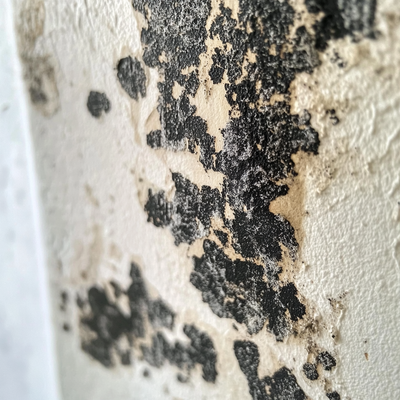
Summer moisture often increases concerns about mold 1 and fungal allergens 1.
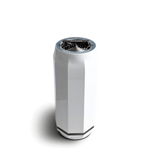
The Puraclenz Photon is designed to help address these environments using patented PCO purification technology.
The Photon provides coverage for spaces up to 3,000 square feet and continuously generates purification ions that help reduce pollutants both in the air and on exposed surfaces. The system is specifically designed to fight mold 1 growth, reduce musty odors, and address fungal allergens 1 commonly associated with damp indoor environments. It also offers whisper-quiet operation and continuous 24/7 purification.
For homeowners dealing with humidity-prone areas such as basements, bathrooms, laundry rooms, or recently water-damaged spaces, the Photon can serve as an additional layer of indoor air purification.
Additional Ways to Reduce Summer Allergens Indoors
Keep Windows Closed During Peak Pollen Hours
Pollen counts are often highest during the morning and early evening. Limiting open windows can help reduce pollen indoors.
Replace HVAC Filters Regularly
Dirty filters may allow particles to continue circulating throughout the home.
Wash Bedding Frequently
Sheets, pillowcases, and blankets collect pollen, pet dander, and dust.
Control Indoor Humidity
Maintaining humidity levels between 30% and 50% can help reduce conditions that encourage mold 1 growth.
Remove Shoes at the Door
Shoes often bring outdoor pollen and particles directly into living areas.
Groom Pets Regularly
Pets can carry large amounts of pollen indoors after spending time outside.

Choosing the Best Air Purifier for Allergies
When evaluating the best air purifier for allergies, consider:
- HEPA filtration performance
- Room coverage
- Noise levels
- Carbon filtration for odors and VOCs
- Air quality monitoring
- Additional purification technologies
Many homeowners find that a combination of HEPA filtration and active purification technologies provides broader support for managing airborne allergens 4, pollen, pet dander, and other common summer pollutants.
Conclusion
If your allergy symptoms seem to continue throughout the summer despite spending more time indoors, you're not alone. Pollen indoors, dust, pet dander, mold 1, and other allergens 4 can accumulate inside the home and contribute to persistent discomfort.
Improving filtration, controlling humidity, and reducing indoor pollutant levels can help create a more comfortable environment during peak allergy season. Solutions like the Puraclenz Core and Puraclenz Photon combine advanced purification technologies designed to address a wide range of airborne and surface pollutants, helping you maintain cleaner indoor air all summer long.
Recommended products

Core Air & Surface Purifier + HEPA
$649.99

Photon Air & Surface Purifier
$399.99

