 Free Shipping
 2-Year Warranty
 30-Day Money Back Guarantee



Pollen in House: How It Gets Inside and How to Remove It
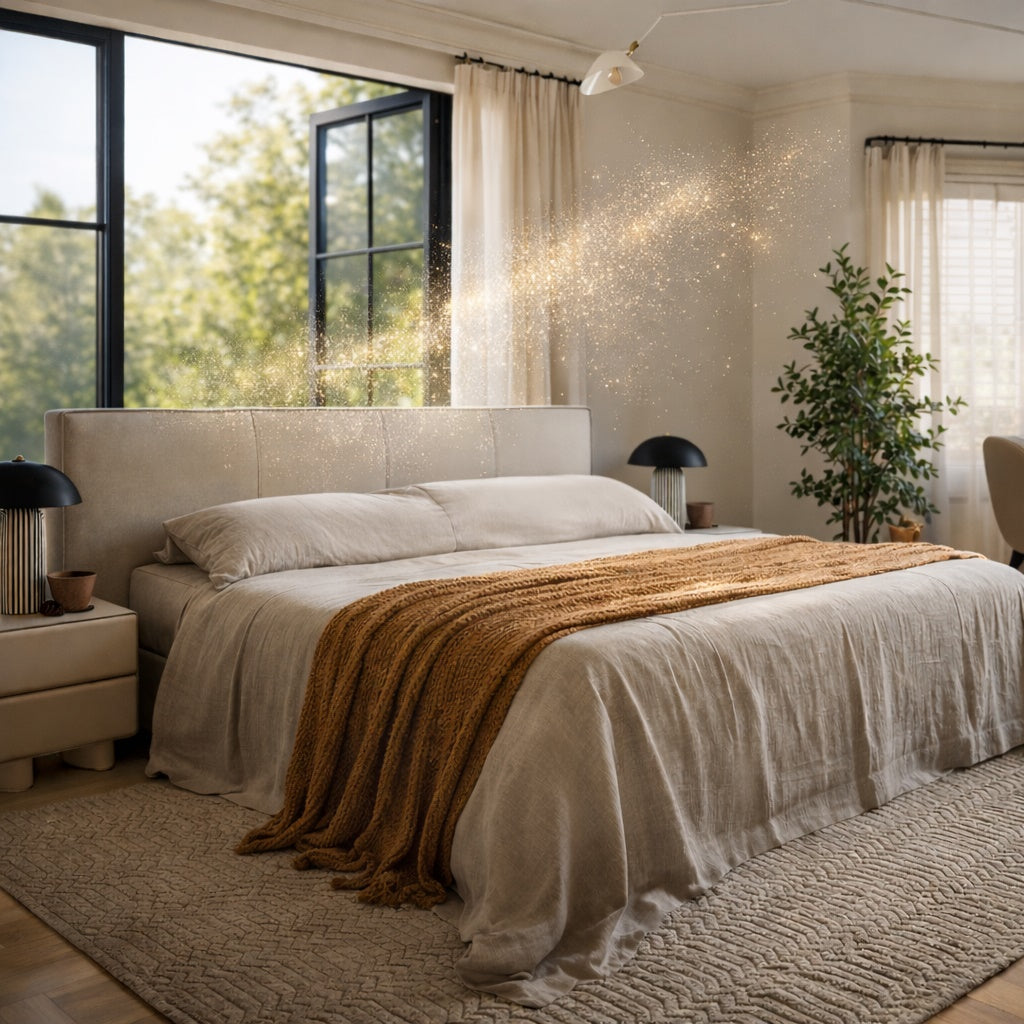
Pollen in house environments is one of the most common reasons allergy symptoms continue even after you step indoors. While many people focus on keeping windows closed, pollen can still enter through multiple pathways and remain suspended in the air. This ongoing exposure to airborne allergens 4 is why choosing the right air purifier for allergies is so important.
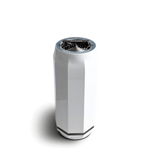
The Puraclenz Core is designed to address this challenge with a more complete approach. By combining True HEPA filtration with advanced PCO purification, multiple technologies work together to reduce pollen and other airborne pollutants throughout your home.
How Pollen Gets into Your Home
Pollen is lightweight and easily transported, which allows it to enter indoor environments in ways that are often overlooked.
-
Open Windows and Doors
Even brief ventilation can allow pollen to drift inside and settle on surfaces like furniture, floors, and fabrics. Once inside, these particles can continue circulating through your indoor air. -
HVAC Systems and Air Leaks
Your HVAC system continuously circulates air, which can introduce pollen if filters are not properly maintained. Small gaps in doors, windows, and ductwork also allow outdoor air to enter, contributing to pollen in house conditions. -
Clothing, Hair, and Pets
Pollen commonly attaches to clothing, shoes, and pet fur. Each time someone enters the home, pollen can spread from room to room and settle into soft surfaces. -
Air Circulation Indoors
Daily activities like walking, cleaning, or airflow from vents can lift settled particles back into the air, increasing exposure to airborne allergens 4.

Why Pollen Is Hard to Remove
Pollen particles are microscopic, which allows them to remain airborne for long periods. They also embed into carpets, bedding, and upholstery, creating a continuous source of indoor allergens 4.
This is why many homeowners searching for the best air purifier for allergies find that basic cleaning and standard filtration alone may not fully address pollen in house environments.
How the Puraclenz Core Helps Remove Pollen Indoors
The Core is built as an all-in-one air and surface purification system designed to reduce a wide range of indoor pollutants, including pollen, dust, pet dander, odors and more. It combines multiple purification technologies into a single system to provide broader coverage than a standard allergy air purifier.
-
True HEPA Filtration for Fine Particles
The H13 True HEPA filter captures 99.97% of particles down to 0.1 microns, including pollen, dust, pet dander, and other allergens 4. This makes it a strong allergy air purifier HEPA solution for trapping airborne particles as air passes through the system. -
PCO Technology for Active Air & Surface Treatment
Photocatalytic oxidation (PCO) technology allows the Core to actively purify both air and surfaces. Instead of relying only on airflow through a filter, this system continuously works throughout your space to reduce pollutants. -
UV-C Technology for Additional Purification
The built-in UV-C lamp works alongside the filtration and PCO system to treat pollutants that pass through the purifier, contributing to a more advanced purification process. -
Activated Carbon for Odors and VOCs
The activated carbon filter helps reduce odors, smoke, and volatile organic compounds (VOCs), which often accompany poor indoor air quality during allergy season.
Designed to Address More Than Just Pollen
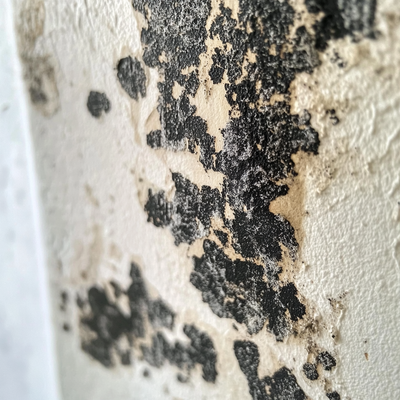
While this article focuses on pollen in house conditions, the Core is designed to reduce a wide range of indoor pollutants. This includes mold 1, bacteria 3, viruses 2, pet dander, smoke, dust, and odors.
This broader capability makes it a strong option for homeowners looking for the best air purifier for allergies while also addressing other common indoor air concerns.
More Than a Standard Allergy Air Purifier
Many air purifiers for allergies rely only on filtration. While a HEPA air purifier for dust mites and pollen can capture particles, it only works when air passes through the unit.
The Core combines filtration with active purification technologies, allowing it to continuously reduce airborne pollutants throughout your space. This makes it more effective than many standalone systems when managing pollen indoors.
Continuous Operation for Ongoing Air Quality
Pollen exposure is not a one-time event. It enters the home daily and can be recirculated multiple times. The Core operates continuously, working 24/7 to reduce pollutants and maintain cleaner indoor air.
This continuous purification is especially useful during peak allergy seasons when pollen levels are high and indoor exposure becomes more noticeable.

Built for Whole-Home Air Quality Support
Unlike smaller portable units, the Core is designed to provide more comprehensive coverage. Its multi-technology system helps reduce pollutants across larger areas, making it suitable for living rooms, bedrooms, and open-concept spaces.
For homeowners dealing with persistent pollen in house conditions, this level of coverage can make a noticeable difference compared to single-room air purifiers for allergies.
Final Thoughts
Pollen in house environments is caused by more than just open windows. It is the result of constant movement between outdoor and indoor air, combined with how particles settle and recirculate.
Using a system like the Puraclenz Core allows homeowners to take a more complete approach to remove pollen indoors. By combining HEPA filtration, PCO purification, UV-C technology, and activated carbon, it provides a powerful solution for managing airborne allergens 4 and improving indoor air quality year-round.
Recommended products

Core Air & Surface Purifier + HEPA
$649.99
Recommended articles

