 Free Shipping
 2-Year Warranty
 30-Day Money Back Guarantee



Spring Cleaning Indoor Air: Where to Start
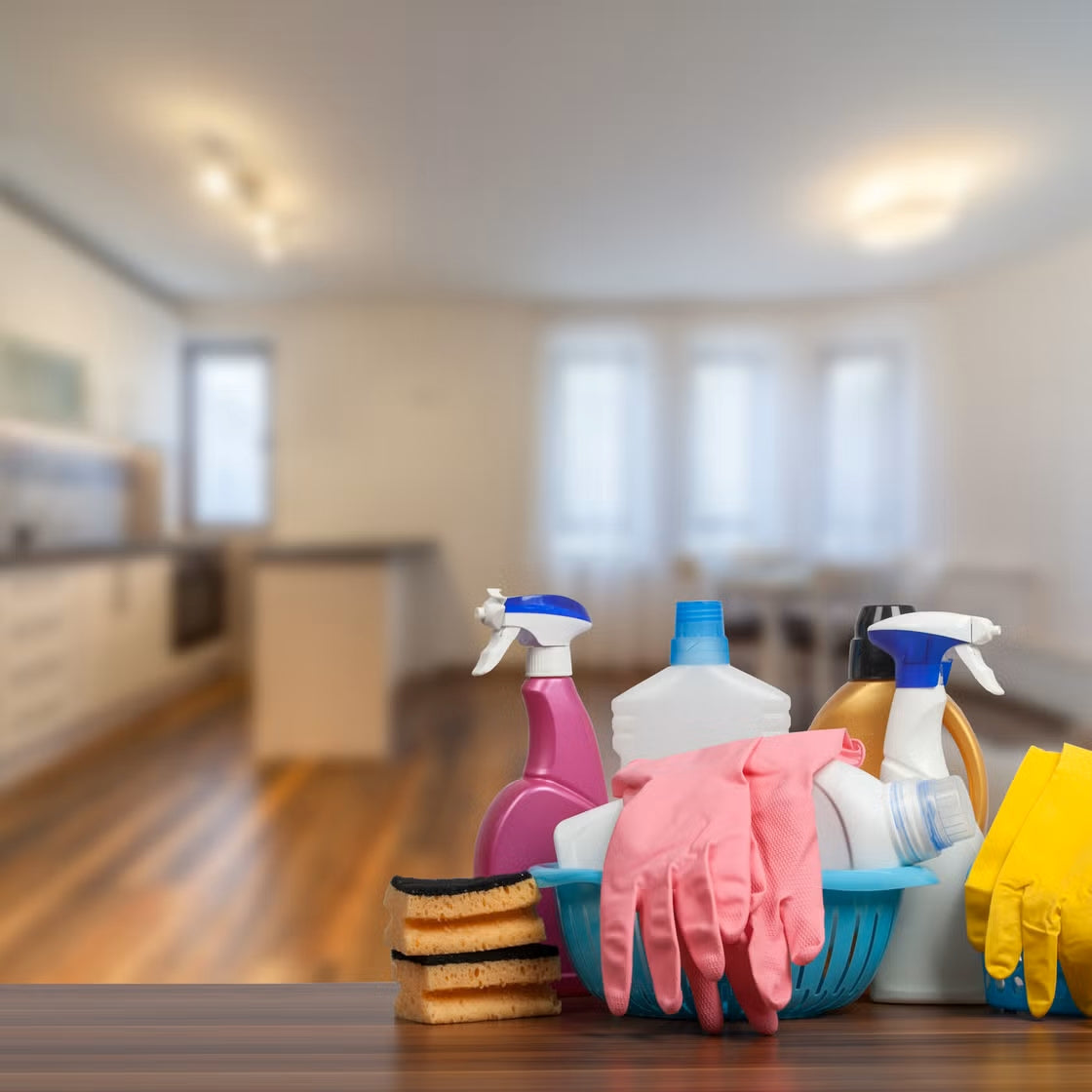
Spring is known for opening windows, deep cleaning closets, and clearing out clutter. But one of the most overlooked areas during seasonal refresh is the air itself. Spring cleaning indoor air is about more than wiping surfaces. It is about addressing the airborne pollutants that circulate through your living space every day.
If you are ready for a true indoor air reset, here is where to start.
Step 1: Remove Winter Dust and Debris
During colder months, homes stay sealed tightly. Dust, pet dander, and other particles build up in carpets, upholstery, and bedding. As temperatures rise and windows open, those particles can become airborne again.
Focus first on:
- Vacuuming carpets with a sealed system
- Washing curtains and bedding in hot water
- Cleaning ceiling fans and vents
- Replacing HVAC filters
If you struggle with seasonal allergies, this is also the time to consider a hepa air purifier for dust mites. Many homeowners search for an allergy air purifier hepa solution because HEPA filtration captures fine particles that contribute to allergy discomfort.
The Puraclenz Core combines advanced filtration with active purification, giving you more comprehensive coverage than standard air purifiers for allergies alone.

Step 2: Address Spring Allergens 4
Spring introduces a new wave of airborne allergens 4 such as pollen and outdoor particles that enter through open doors and windows. Even homes that look spotless can have invisible irritants circulating through the air.
This is why many families look for the best air purifier for allergies during the spring season. An air purifier for allergies can continuously reduce airborne particles in bedrooms, living areas, and high-traffic spaces.
The Core uses multi-stage filtration to capture fine particles including pollen 4, dust, and other airborne irritants that affect seasonal comfort.
Step 3: Tackle Hidden Moisture Issues
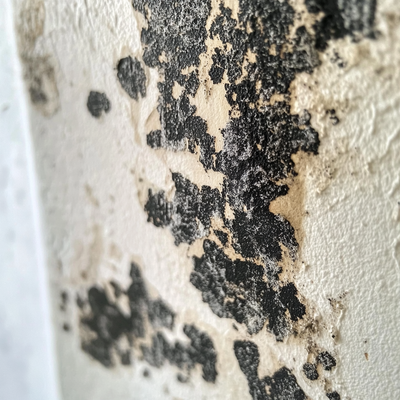
Spring rain and humidity can contribute to indoor moisture buildup. Damp areas in basements, bathrooms, and around windows can encourage mold 1 and mildew 1 growth. These contaminants release particles into the air that impact overall indoor air quality.
As part of your spring air quality tips checklist:
- Inspect under sinks and around window frames
- Use dehumidifiers in damp areas
- Clean visible mold 1 stains promptly
- Increase air circulation in closed rooms
While moisture often becomes noticeable in spring, mold growth frequently begins during the winter months when homes stay sealed and humidity accumulates indoors. During this time, airborne mold spores 1 can circulate throughout the home.
The Photon uses advanced PCO purification technology to actively reduce airborne contaminants, including mold spores 1, helping address pollutants that may have developed during the winter season.
Step 4: Reset High-Traffic Areas
Entryways and living rooms collect outdoor particles quickly during spring. Shoes track in debris, and pets bring in pollen and dirt. Without proper purification, these particles remain suspended in your indoor air.
In bedrooms and common areas, the Core provides whole-room purification that works alongside filtration to reduce bacteria 3, viruses 2, and airborne allergens 4.
This makes it a strong option when comparing air purifiers for allergies and other seasonal concerns.
Step 5: Go Beyond Filtration Alone
Many consumers rely solely on a HEPA filter. While an allergy air purifier hepa system is effective at trapping particles, it only works when air passes through the filter.
The Core integrates multi-stage filtration with active purification technology that reduces pollutants throughout the space. Instead of relying on airflow alone, it continuously treats indoor air.
If you have been searching for:
- best air purifier for allergies
- air purifier for allergies
- hepa air purifier for dust mites
- air purifiers for allergies
Spring is the ideal time to upgrade your approach and invest in a system designed for comprehensive clean indoor air.

Create a Spring Indoor Air Routine
Spring cleaning indoor air should not be a one-time event. Keep your system running consistently, especially during peak pollen months. Replace filters as recommended and position portable units like the Photon where additional purification may be beneficial.
By combining physical cleaning, moisture control, and advanced purification through the Puraclenz Core and Photon, your home receives a full seasonal reset.
This spring do more than declutter shelves. Refresh the air you breathe every day with a purification strategy built for modern indoor living.
Recommended products

Core Air & Surface Purifier + HEPA
$649.99

Photon Air & Surface Purifier
$399.99
Recommended articles

