 Free Shipping
 2-Year Warranty
 30-Day Money Back Guarantee



Spring Allergies Indoors: Why Symptoms Persist at Home
Spring is often associated with blooming flowers and rising pollen levels, but many homeowners are surprised to find their symptoms persist even after stepping indoors. Spring allergies indoors are more common than people realize, with causes often hidden within the home itself. While closing windows may reduce outdoor pollen exposure, indoor air can still carry a mix of airborne pollutants that trigger discomfort. This is where a whole-home solution like the Puraclenz Core becomes especially relevant, working continuously to reduce airborne pollutants rather than relying on occasional filtration.
Understanding why indoor allergy symptoms persist is the first step toward improving your environment. From dust accumulation to airborne allergens 4, your home can quietly circulate the very particles you are trying to avoid. With systems like the Core integrated into your home’s airflow, these pollutants can be reduced more consistently across all living areas.
Why Spring Allergies Indoors Still Happen
Even in a sealed home, outdoor particles find their way inside. Pollen travels on clothing, pets, and through ventilation systems. Once inside, it settles into carpets, furniture and bedding, where it can easily become airborne again. This means that even if you are not actively bringing in outdoor air, your indoor space can still reflect springtime conditions.
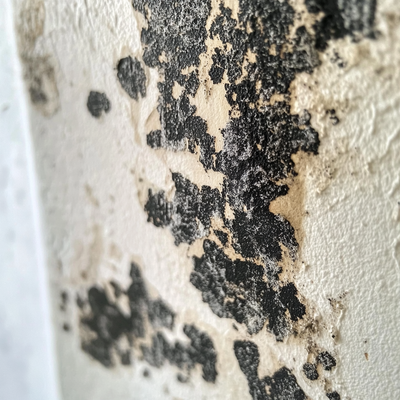
At the same time, indoor sources contribute to the problem. Dust mites, pet dander, and even microscopic particles linked to mold 1 growth can build up over time. These pollutants combine to create an environment where spring allergies indoors continue long after you close the door.

Common Indoor Allergy Triggers
Many homeowners focus only on pollen, but indoor air contains a wide range of triggers that contribute to ongoing indoor allergy symptoms:
- Dust mites embedded in carpets and upholstery
- Pet dander that remains suspended in the air
- Moisture-related particles associated with mildew 1
- Airborne allergens 4 that recirculate through HVAC systems
- Microscopic particles including bacteria 3 and viruses 2
Why Traditional Filtration May Fall Short
Many people turn to a standard allergy air purifier or even an allergy air purifier HEPA system to address indoor air concerns. While HEPA filtration is effective at capturing larger particles like dust and pollen, it primarily works by trapping pollutants as air passes through the filter.
This approach can be helpful, but it may not fully address smaller airborne particles or pollutants that remain active in the air between filtration cycles. As a result, homeowners searching for the best air purifier for allergies often find that filtration alone does not completely resolve their spring allergies indoors, which is why more comprehensive systems like the Core are increasingly considered.
Why the Puraclenz Core Is Designed for Allergies
To address the full scope of indoor air concerns, many homeowners are turning to more advanced systems that go beyond passive filtration. The Core is designed as a whole-home air purification system that works continuously throughout your living space.
Unlike standard air purifiers for allergies that rely only on filters, the Puraclenz Core uses active purification technology to reduce airborne pollutants in real time. This allows it to address particles that are both captured and still circulating, helping to reduce overall exposure to airborne allergens 4.
Because it integrates with your home’s airflow, the system provides consistent purification across multiple rooms. This makes it especially effective for households dealing with widespread indoor allergy symptoms, rather than isolated problem areas.
How It Compares to Traditional Allergy Air Purifiers
If you are comparing options like a HEPA air purifier for dust mites or researching the best air purifier for allergies, it is important to understand how different technologies approach air purification.
An allergy air purifier HEPA system is designed to trap particles as air passes through it, which can be effective for localized filtration. However, it may not continuously address pollutants that remain suspended or move throughout the home.
In contrast, the Core works proactively within the airspace, helping reduce airborne pollutants wherever air circulates. This broader approach makes it a strong option for homeowners seeking a more complete solution for spring allergies indoors.

Choosing the Right Air Purifier for Allergies
Selecting the right air purifier for allergies depends on how you want to manage your indoor environment. For some, a portable unit may provide limited support in a single room. For others, a whole-home solution like the Puraclenz Core offers more consistent results by addressing air throughout the entire living space.
When evaluating air purifiers for allergies, consider how well the system handles both visible and microscopic particles, including dust, pollen, and airborne pollutants linked to bacteria 3 and viruses 2. A more comprehensive approach can make a noticeable difference during peak allergy seasons.
Creating a More Comfortable Indoor Environment
Managing spring allergies indoors requires more than just closing windows or cleaning surfaces. It involves understanding how airborne pollutants move through your home and taking steps to reduce their presence consistently.
By addressing both visible and invisible triggers, and by using a system designed to purify air continuously, you can create a space that feels noticeably more comfortable during allergy season. With the Puraclenz Core working throughout your home, spring no longer has to mean ongoing indoor allergy symptoms.
Recommended products

Core Air & Surface Purifier + HEPA
$649.99
Recommended articles

