 Free Shipping
 2-Year Warranty
 30-Day Money Back Guarantee


Spring Allergies at Their Peak: How to Keep Indoor Air Clean
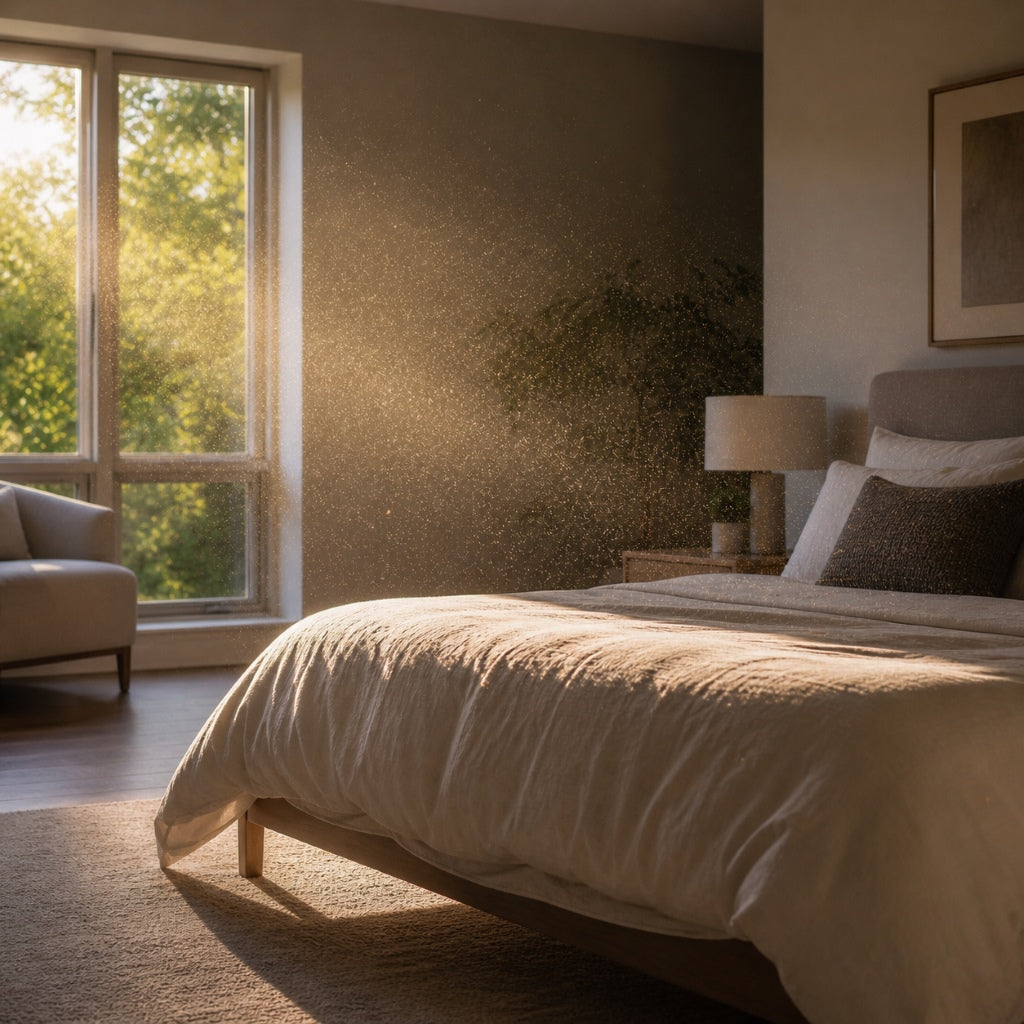
Spring brings warmer weather and blooming landscapes, but it also marks the peak allergy season for many households. During this time, pollen levels surge outdoors and easily find their way inside, affecting the quality of your indoor air. Understanding how peak allergy season indoor air changes, and what you can do about it, can make a meaningful difference in how comfortable your home feels.
Why Peak Allergy Season Impacts Indoor Air
As plants release pollen into the air, these tiny particles travel through open windows, attach to clothing, and settle into carpets, furniture, and ventilation systems. Even if you spend most of your time indoors, pollen indoors can accumulate quickly.
Once inside, pollen combines with other airborne pollutants like dust, pet dander, and allergens 4, creating a heavier indoor environment. Without proper air management, these particles continuously circulate, making peak allergy season indoor air more difficult to control.

How Pollen Indoors Builds Up
Many homeowners underestimate how easily outdoor particles enter the home. During peak allergy season, indoor buildup happens through:
- Open windows and doors allowing pollen to drift inside
- Clothing, shoes, and pets carrying particles indoors
- HVAC systems circulating unfiltered air
- Soft surfaces like rugs and upholstery trapping particles
Over time, these particles can contribute to ongoing exposure, even after outdoor pollen levels drop.
Why Standard Filtration Isn’t Always Enough
Traditional filtration systems can help capture larger particles, but they may not address the full range of pollutants present during peak allergy season. Many systems rely solely on passive filtration, meaning air must pass through the unit to be cleaned.
This is why many people look for a spring allergy air purifier or an air purifier for allergies that goes beyond basic filtration. Solutions that combine multiple purification methods can better address both airborne particles and those that settle on surfaces.
The Role of Advanced Air Purification
An effective allergy air purifier should do more than just trap particles. During peak allergy season indoor air challenges, it’s important to address both airborne pollutants and those that linger on surfaces.
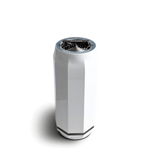
The Puraclenz Core offers a more comprehensive approach by combining multiple technologies into one system. Its advanced design supports continuous air and surface purification, helping reduce common indoor pollutants such as pollen, dust, and allergens 4.
Unlike many standard units, the Core uses a multi-stage system that includes:
- H13 True HEPA filtration to capture fine particles like pollen and dust
- Activated carbon to reduce odors and VOCs
- PCO purification that helps reduce pollutants in the air and on surfaces
- UV-C technology that targets pollutants passing through the system
This combination allows the Core to provide broader coverage compared to a typical allergy air purifier hepa system alone. Its HEPA filtration captures 99.97% of particles as small as 0.1 microns, including pollen and allergens 4.
Supporting Cleaner Air Throughout Your Home
One of the key challenges during peak allergy season is maintaining consistent air quality across different rooms. The Core is designed to cover large areas, treating air and surfaces in spaces up to 3,000 square feet using PCO technology.
This makes it a practical solution for open living areas, bedrooms, and shared spaces where pollen indoors tends to accumulate the most.
Its built-in air quality sensor also adjusts performance based on changing conditions, helping respond to spikes in airborne particles like pollen and dust automatically.
Key Habits to Improve Indoor Air During Allergy Season
In addition to using air purifiers for allergies, simple daily habits can help reduce indoor exposure:
- Keep windows closed during high pollen days
- Remove shoes when entering your home
- Wash bedding frequently to remove trapped particles
- Vacuum with HEPA-equipped systems regularly
- Use a hepa air purifier for dust mites in sleeping areas
Combining these habits with a best air purifier for allergies helps create a more controlled indoor environment throughout the season.

Why a Whole-Home Approach Matters
Peak allergy season indoor air isn’t just about one room, it’s about how air moves throughout your entire home. Pollutants can travel through hallways, vents, and shared spaces, making it important to use solutions that address air circulation as a whole.
The Core supports this approach by working continuously to reduce pollutants both mid-air and on surfaces. Its PCO technology generates ions that interact with airborne particles beyond the unit itself, helping reach areas traditional filtration may miss.
For those looking to take a more comprehensive approach during peak allergy season, the Core adds another layer of support by addressing both airborne particles and pollutants that settle on surfaces. Its multi-technology system is designed to work continuously, helping maintain more consistent indoor air conditions even as pollen levels fluctuate throughout the day.
- Covers large living spaces with continuous air and surface purification
- Combines HEPA filtration, activated carbon, and PCO purification
- Includes built-in air quality monitoring for real-time adjustments
- Operates quietly for use in bedrooms and common areas
- Helps reduce pollen, dust, and allergens 4 during peak allergy season
With the right approach, your home can remain a more controlled environment, even during the height of allergy season.
Creating a More Comfortable Indoor Environment
Managing peak allergy season indoor air requires a combination of awareness, daily habits, and the right technology. As pollen levels rise outdoors, taking steps to control pollen indoors becomes essential for maintaining a more comfortable living space.
By using a spring allergy air purifier like the Puraclenz Core and supporting it with consistent cleaning routines, you can reduce airborne pollutants and maintain better indoor air quality throughout the season.
With the right approach, your home can remain a more controlled environment — even during the height of allergy season.
Recommended products

Core Air & Surface Purifier + HEPA
$649.99

