 Free Shipping
 2-Year Warranty
 30-Day Money Back Guarantee



Smoke, Dust, or Mold? Identifying Your Indoor Air Quality Problem

Indoor air quality problems are often easy to notice but difficult to identify. A lingering smoky odor, a layer of dust on furniture, or a musty smell can all make your home feel uncomfortable. However, each issue has different causes and may require a different solution.
Understanding the smoke dust mold difference is the first step toward improving your indoor environment. By learning how to recognize the signs of each pollutant, you can better identify indoor air quality issues and choose the right purification strategy.
Why It Can Be Difficult to Identify Indoor Air Quality Issues
Many indoor pollutants produce similar symptoms and warning signs. For example:
- Stale or unpleasant odors
- Visible dust buildup
- Increased cleaning requirements
- Eye, nose, or throat irritation
- Poor indoor air quality after windows remain closed
These IAQ symptoms often overlap, making it difficult to determine whether smoke, dust, or mold 1 is the primary concern.

Smoke: Fine Particles and Lingering Odors
Smoke comes from several common indoor and outdoor sources:
- Wildfire smoke
- Cooking
- Fireplaces
- Candles
- Tobacco products
Smoke contains extremely fine airborne particles along with volatile organic compounds (VOCs) that can remain suspended in the air for hours.
Common signs include:
- Persistent smoky odor
- Hazy appearance in sunlight
- Irritation during wildfire season
- Odors that return after ventilation
Unlike larger dust particles, smoke particles are microscopic and can spread throughout the home through normal air circulation.
Dust: The Constant Indoor Pollutant
Dust is made up of many different materials, including:
- Dirt tracked indoors
- Fabric fibers
- Pet dander
- Pollen
- Skin cells
- Other household debris
Unlike smoke, dust is usually visible.
Signs of excessive dust include:
- Furniture becoming dusty shortly after cleaning
- Dust collecting around vents
- Increased vacuuming
- Dust accumulation on electronics
Dust can also carry allergens 4, making consistent air purification beneficial in many homes.
Mold 1: Moisture Is the Clue
Mold 1 develops where excess moisture exists.
Common locations include:
- Bathrooms
- Basements
- Laundry rooms
- HVAC systems
- Around windows
- Under sinks
Unlike smoke or dust, mold 1 often produces noticeable odors before visible growth appears.
Possible signs include:
- Musty smells
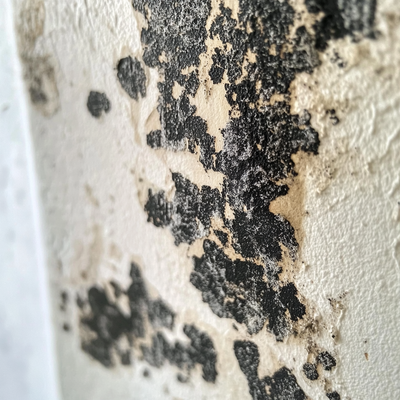
- Discoloration on walls or ceilings
- Persistent dampness
- Condensation problems
- Water damage
Airborne mold 1 spores and fungal allergens 1 can circulate throughout a home even when visible growth is limited.
Comparing Smoke, Dust, and Mold 1
| Feature | Smoke | Dust | Mold 1 |
|---|---|---|---|
| Visible particles | Usually no | Yes | Sometimes |
| Odor | Smoky | Minimal | Musty |
| Source | Fire, cooking, wildfires | Everyday household activity | Moisture problems |
| Main concern | Fine airborne particles | Larger airborne particles | Airborne spores and moisture |
| Often seasonal | Yes | Year-round | Often increases with humidity |
Understanding this smoke dust mold difference helps narrow down which indoor pollutant may be affecting your home.
When Multiple Pollutants Are Present
Many homes experience more than one indoor air quality issue at the same time.
For example:
- Wildfire smoke entering through small air leaks
- Dust circulating through HVAC systems
- Mold 1 growth in damp areas
- VOCs from cleaning products and building materials
Because pollutants often overlap, many homeowners benefit from air purification technologies designed to address multiple types of indoor contaminants rather than focusing on only one.
Improving Indoor Air Quality
The first step is identifying the primary source.
Helpful actions include:
- Inspect for moisture or leaks
- Replace HVAC filters regularly
- Vacuum with quality filtration
- Reduce indoor smoke sources
- Improve ventilation when outdoor air quality allows
- Address water damage promptly
Combining these practices with continuous air purification can help reduce airborne pollutants throughout the home.

Choosing the Right Puraclenz Solution
Puraclenz Core
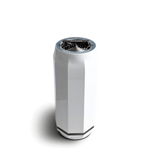
The Core combines patented Photocatalytic Oxidation (PCO) technology with an H13 True HEPA filter, activated carbon, and an internal UV-C lamp. This combination helps reduce a broad range of indoor pollutants, including dust, smoke particles, odors, VOCs, mold 1 spores, bacteria 3, viruses 2, and allergens 4. It also includes built-in indoor air quality sensors, making it an excellent solution for homes where dust and smoke are ongoing concerns.
Puraclenz Photon
The Photon uses patented ozone-free PCO technology to generate ions that continuously purify both the air and exposed surfaces. Because it works beyond traditional filtration, it helps reduce mold 1 spores, fungal allergens 1, bacteria 3, viruses 2, and odors throughout spaces that may be difficult for filter-only systems to reach.
Final Thoughts
Identifying the source of poor indoor air quality is often easier once you understand the differences between smoke, dust, and mold 1. While each has unique characteristics, many homes contain a combination of these pollutants.
By recognizing common IAQ symptoms, addressing moisture and ventilation concerns, and selecting an air purification system designed for your specific needs, you can take meaningful steps toward cleaner indoor air.
Recommended products

Core Air & Surface Purifier + HEPA
$649.99

Photon Air & Surface Purifier
$399.99
Recommended articles

