 Free Shipping
 2-Year Warranty
 30-Day Money Back Guarantee



Preparing Your Indoor Air for Cold and Flu Season
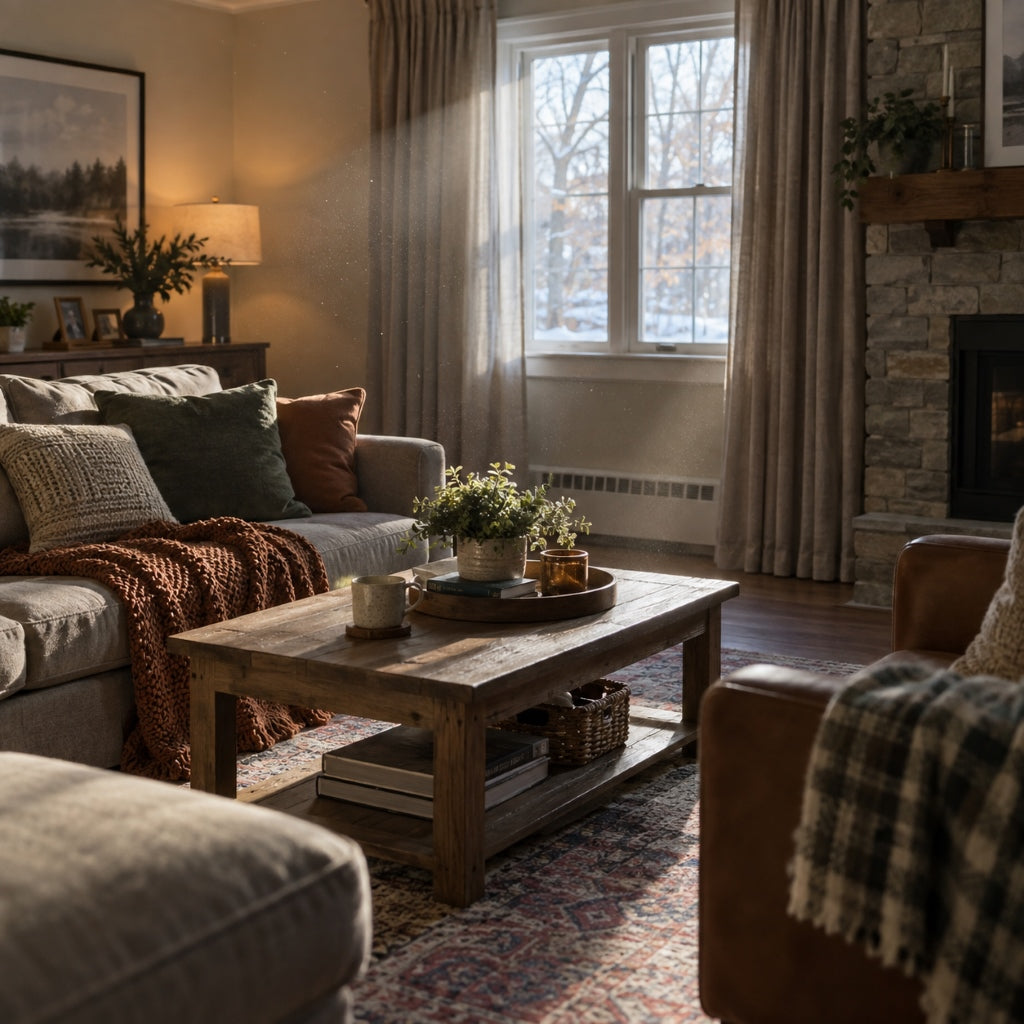
As temperatures drop and families spend more time indoors, homes rely more heavily on heating systems, closed windows, and recirculated air. Fall and winter are a good time to review your indoor air quality routine and prepare your home for cold and flu season.
Preparing your indoor air for colder months involves more than turning on the heat. HVAC maintenance, humidity control, regular cleaning, ventilation when appropriate, and air purification can all help support a more complete indoor air routine.
Why Indoor Air Quality Matters During Cold and Flu Season
During colder months, windows and doors often stay closed for longer periods. With less outdoor air entering the home, indoor pollutants may remain in occupied spaces longer.
Heating systems can also circulate air throughout multiple rooms, moving dust, odors, and other airborne pollutants through the home as the HVAC system operates.
Before cold weather settles in, review the main factors that influence indoor air quality, including airflow, filtration, humidity, cleaning habits, and air purification.

Start With HVAC Maintenance
Your HVAC system plays an important role in how air circulates throughout your home. Before the heating season begins, inspect or replace the HVAC filter according to the manufacturer's recommendations.
Check supply vents and return registers to make sure they are not blocked by furniture, rugs, curtains, or other household items. Keeping vents clear helps your heating system circulate air as intended.
If your home has experienced moisture problems, persistent odors, or visible buildup around HVAC components, consider having the system inspected by a qualified HVAC professional.
Manage Indoor Humidity and Moisture
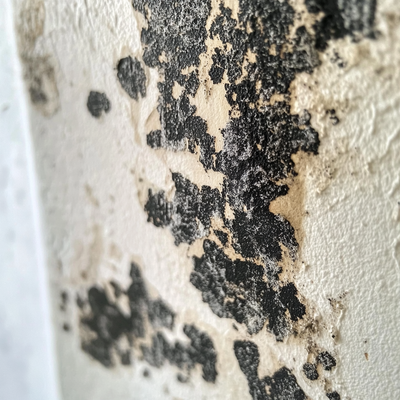
Humidity is another important part of maintaining indoor air quality during fall and winter. Excess moisture can create conditions where mold 1 and mildew 1 may develop, especially in bathrooms, basements, kitchens, and areas around plumbing.
Check areas that are prone to condensation or moisture buildup. Address leaks promptly, ventilate moisture-producing areas when practical, and monitor indoor humidity levels throughout the season.
Managing excess moisture can help reduce the conditions that allow unwanted biological growth to develop indoors.
Keep Frequently Used Indoor Spaces Clean
Cold and flu season often means spending more time in bedrooms, living rooms, home offices, and other shared spaces. Regular cleaning helps reduce the buildup of dust and other indoor pollutants.
Pay attention to frequently touched surfaces as well as areas that may be overlooked during everyday cleaning. Bedding, rugs, upholstered furniture, curtains, and other fabrics can collect dust and airborne particles over time.
A consistent cleaning routine complements air purification by addressing pollutants that have settled onto surfaces while purification technologies address pollutants in the surrounding environment.
Consider Continuous Air Purification
Air purification can provide an additional layer in a broader cold and flu season indoor air strategy.
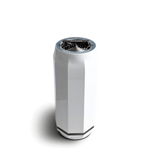
Puraclenz Photon uses patented PCO Purification technology to produce ions that dynamically deactivate pollutants in mid-air and on exposed surfaces. Unlike filtration systems that primarily capture particles as air passes through a filter, Photon is designed to work beyond the purifier itself.
The Photon P3000X is designed for spaces up to 3,000 square feet and features five fan speeds along with a 4-hour Boost Mode. It is designed for continuous operation and addresses pollutants both in the air and on exposed surfaces.
How Photon Addresses Airborne and Surface Pollutants
PCO Purification uses a light-powered process to generate ions that travel beyond the purifier and interact with pollutants throughout the surrounding environment.
Independent laboratory testing found that the Photon purifier reduced MS2 bacteriophage virus 2 in the air by 99.4% and reduced SARS-CoV-2 on surfaces by 58%. Additional laboratory testing found reductions of specific bacteria 3 in both air and on surfaces.
These results apply to the specific organisms and laboratory conditions tested and should not be interpreted as a guarantee of performance in every home or environment.
Don't Overlook Exposed Surfaces
Indoor air is only one part of the home environment. Airborne pollutants can also settle onto exposed surfaces, fabrics, furnishings, and other materials.
This is one way Photon differs from traditional filtration. Its PCO Purification technology is designed to dynamically deactivate pollutants both mid-air and on exposed surfaces.
For households looking for an additional layer of continuous purification, an air and surface purifier can complement routine cleaning, ventilation, humidity management, and HVAC maintenance.
Cold and Flu Season Indoor Air Checklist
Preparing your home for colder months does not have to be complicated. Add these steps to your seasonal indoor air quality checklist:
- Inspect or replace your HVAC filter according to manufacturer recommendations.
- Check supply vents and returns for blocked airflow.
- Look for leaks, condensation, and other sources of excess moisture.
- Monitor indoor humidity levels.
- Clean frequently used rooms and commonly touched surfaces.
- Wash bedding and regularly clean fabrics that collect dust and particles.
- Use ventilation when practical and appropriate.
- Make sure your air purifier is sized appropriately for your space.
- Consider continuous air purification in frequently occupied areas.
- Follow manufacturer recommendations for air purifier maintenance.
Create a More Complete Indoor Air Quality Routine
Preparing for cold and flu season is a useful opportunity to look at your home's indoor environment as a whole. HVAC maintenance supports proper airflow, moisture management helps address conditions that can contribute to indoor problems, regular cleaning reduces accumulated pollutants, and air purification provides another way to address pollutants in the surrounding environment.
These steps work best as parts of a broader indoor air quality routine rather than as standalone solutions.

Prepare Your Indoor Air Before Winter Arrives
The transition into colder weather is a practical time to review how you manage indoor air quality. Maintaining your HVAC system, controlling excess moisture, cleaning regularly, keeping air moving when appropriate, and adding continuous purification can create a more comprehensive approach to your home's indoor environment.
For homeowners interested in continuous air and surface purification, Puraclenz Photon uses patented PCO Purification technology to dynamically deactivate pollutants in mid-air and on exposed surfaces. Designed for spaces up to 3,000 square feet, Photon can operate continuously as part of your seasonal indoor air routine.
Recommended products

Photon Air & Surface Purifier
$399.99
Recommended articles

