 Free Shipping
 2-Year Warranty
 30-Day Money Back Guarantee


Back-to-School Indoor Air: Creating a Healthier Home
Back-to-school season changes more than your family’s calendar. Children begin moving between classrooms, buses, playgrounds, sports practices, and home, bringing pollen, dust, dirt, and other outdoor particles inside with them.
Meanwhile, late-summer allergens, pet dander, household odors, and pollutants from everyday activities may continue building up indoors. Improving back-to-school indoor air quality can help make bedrooms, homework areas, playrooms, and shared living spaces feel cleaner and more comfortable.
Fortunately, creating a healthy home for kids does not require a perfect cleaning routine. A few practical habits, combined with ventilation, humidity control, HVAC maintenance, and an air purifier, can help support cleaner indoor air throughout the school year.
Why Back-to-School Season Can Affect Indoor Air
The transition from summer vacation to the school year often increases the amount of dust, pollen, and debris entering the home.
Children may carry in:
- Pollen from playgrounds and athletic fields
- Dust and dirt from shoes and backpacks
- Grass, leaves, and outdoor debris
- Paper, art supplies, and classroom materials
- Odors from lunch containers and sports equipment
Homes may also remain closed while air conditioning runs during the final weeks of summer. Without enough fresh-air exchange, dust, cooking particles, pet dander, cleaning-product fumes, and volatile organic compounds, or VOCs, may continue circulating indoors.
These concerns can be especially noticeable in bedrooms, family rooms, playrooms, and homework spaces. Improving indoor air for families starts with identifying where pollutants enter and where they tend to collect.

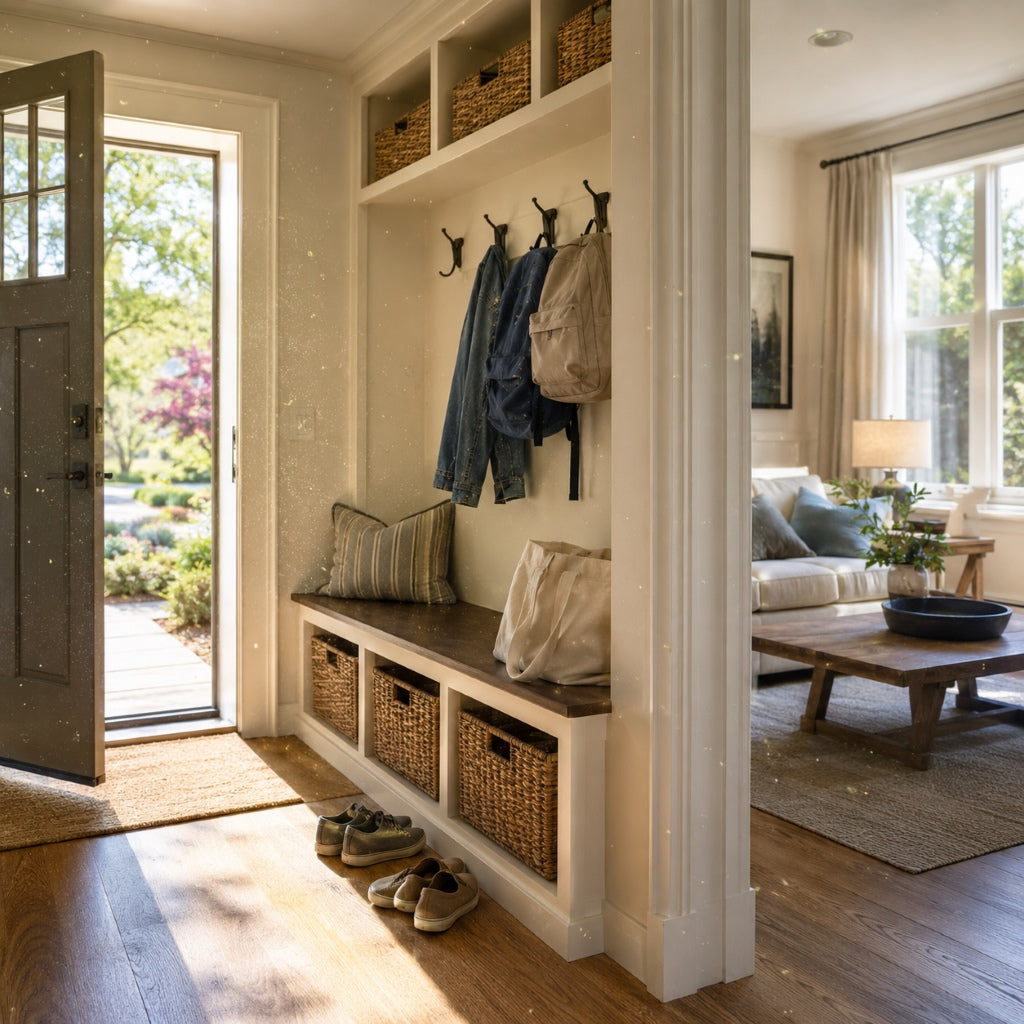
1. Create a Back-to-School Drop Zone
One of the easiest ways to protect indoor air is to stop outdoor particles from spreading beyond the entrance.
Create a designated area near the door for:
- Shoes
- Backpacks
- Jackets
- Sports bags
- Lunch containers
- Wet umbrellas and rain gear
Place washable mats near frequently used entrances and encourage family members to remove their shoes when they come inside, especially during high-pollen periods.
Backpacks and sports equipment should also be cleaned regularly. Avoid placing them directly on beds, sofas, or carpets, where pollen, dust, and dirt can transfer to soft surfaces.
2. Focus Cleaning on High-Traffic Areas
A healthy home for kids does not need to be spotless. Instead, focus on the areas that collect the most dust and receive the most daily use.
Prioritize:
- Entryways and hallways
- Bedroom floors
- Rugs and carpeting
- Upholstered furniture
- Desks and homework stations
- Ceiling fans
- Window coverings
- Air vents and returns
Use a damp microfiber cloth instead of a dry duster whenever possible. Dry dusting may send settled particles back into the air, while damp cleaning helps capture them.
Vacuum carpets and rugs regularly, especially near entrances and in rooms where children play or study. Do not forget the areas underneath beds and furniture, where dust can collect unnoticed.
3. Keep Bedding and Soft Surfaces Clean
Bedding, stuffed animals, curtains, rugs, and upholstered furniture can hold dust, pollen, and pet dander.
During the school year:
- Wash sheets and pillowcases regularly
- Clean blankets according to their care instructions
- Wash or gently clean frequently used stuffed animals
- Place dirty clothing in a hamper
- Keep backpacks and school clothes off beds
- Vacuum mattresses and upholstered furniture periodically
Because children spend many hours in their bedrooms, keeping these spaces clean and reasonably uncluttered can make indoor dust easier to manage.
4. Check Your HVAC Filter
Your HVAC system circulates air throughout the home. When filters become dirty or vents collect dust, airborne particles may continue moving from room to room.
Inspect the HVAC filter regularly and replace it according to the manufacturer’s instructions. Homes with pets, high pollen, renovation dust, or outdoor smoke may need more frequent filter checks.
It also helps to:
- Keep supply and return vents unobstructed
- Remove visible dust from vent covers
- Check around the air handler for moisture
- Schedule professional maintenance when needed
- Avoid closing too many vents, which can disrupt airflow
An HVAC filter supports the home’s heating and cooling system, but it may not capture every particle in occupied rooms. This is why some families pair regular HVAC maintenance with a dedicated air purifier.
5. Ventilate When Outdoor Air Is Clean
Opening windows can help exchange stale indoor air for fresh outdoor air, but only when outdoor conditions are favorable.
Before opening windows, check for:
- High pollen levels
- Wildfire smoke
- Elevated outdoor air pollution
- Excessive heat or humidity
When outdoor air quality is good, briefly opening windows may help release cooking odors, cleaning-product fumes, and other indoor pollutants.
When outdoor air quality is poor, keep windows and doors closed. Use kitchen ventilation, bathroom exhaust fans, and air purification to help manage indoor conditions instead.
6. Control Late-Summer Humidity
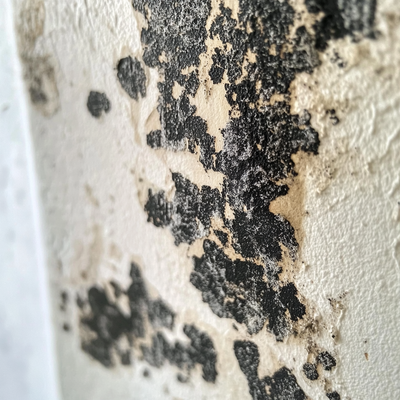
High humidity can continue after school begins. Excess moisture may contribute to condensation, musty odors, and conditions that support mold growth.
To manage moisture:
- Run bathroom fans during and after showers
- Use kitchen ventilation while cooking
- Repair plumbing leaks promptly
- Dry wet towels and clothing completely
- Use a dehumidifier in damp spaces
- Check basements and bathrooms for condensation
- Remove wet sports equipment from enclosed bags
An air-cleaning system cannot repair a leak or replace proper moisture control. Always identify and correct the source of excess dampness.
7. Reduce Indoor Odors and VOC Sources
Many everyday household products can release odors or VOCs into indoor air. Common sources include fragranced cleaners, candles, air fresheners, paints, adhesives, and some art supplies.
Families can reduce unnecessary indoor pollution by:
- Choosing lower-odor cleaning products
- Using art supplies in a ventilated area
- Closing product containers immediately after use
- Avoiding indoor smoking
- Limiting candles and fragranced sprays
- Storing chemicals away from bedrooms and living areas
- Running exhaust fans while cooking or cleaning
Clean air should not simply smell strongly fragranced. Removing or reducing the source of an odor is usually more effective than covering it with another scent.
8. Consider Air Purification for Everyday Support
Families researching back-to-school indoor air quality often ask, Are air purifiers worth it?
The answer depends on the system, the size of the space, and the pollutants you want to address. Air purification may provide useful everyday support in homes that regularly experience:
- Dust
- Pollen
- Pet dander
- Smoke
- Household odors
- Fine airborne particles
- VOC concerns
Air purification works best as part of a layered strategy that also includes cleaning, ventilation, HVAC maintenance, source control, and moisture management.
When comparing systems, consider:
- Recommended room coverage
- Particle filtration
- Activated carbon
- Noise level
- Replacement-part requirements
- Indoor air-quality monitoring
- The pollutants the system is designed to address
Many families look for an air purifier with a HEPA filter because HEPA filtration is designed to capture very small airborne particles. Activated carbon can provide additional support for smoke, odors, and VOCs, while advanced purification technologies may address pollutants beyond filtration alone.

How Puraclenz Core Supports Family Indoor Air Quality
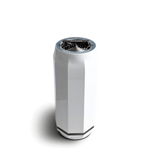
The Puraclenz is an all-in-one air and surface purification system designed to support cleaner indoor environments throughout the year.
The Core combines:
- H13 True HEPA filtration
- Activated carbon
- UV-C technology
- Photocatalytic oxidation, or PCO
- PM2.5 indoor air-quality monitoring
Its H13 True HEPA filter is designed to trap 99.97% of dust, pollen, pet dander, allergens, bacteria, and mold particles down to 0.1 microns. Activated carbon helps address VOCs, smoke, and odors, while UV-C technology treats pollutants that pass through or become trapped in the filter.
Puraclenz PCO technology produces ions that move beyond the device to help address pollutants in the air and on exposed surfaces. This provides an additional layer of support beyond passive filtration alone.
The built-in PM2.5 monitor also allows families to see changes in indoor particle levels as daily activities, cooking, outdoor air, and household routines affect the home.
For bedrooms, homework spaces, and family rooms, a quiet air purifier can make continuous operation easier. The Core is designed for ongoing use, helping support family indoor air as children move between school, activities, and home.
Recommended products

Core Air & Surface Purifier + HEPA
$487.49
Recommended articles

