 Free Shipping
 2-Year Warranty
 30-Day Money Back Guarantee



Pollen vs Mold Spores: Which Is Worse Indoors?

Many homeowners notice allergy symptoms even when they spend most of their time indoors. Two of the most common airborne particles responsible for these reactions are pollen and mold 1 spores. Understanding pollen vs mold spores can help explain why indoor air quality sometimes feels worse than expected.
Both pollen and mold 1 spores are microscopic particles that circulate through the air and trigger allergy symptoms. Once inside a home, they can linger in carpets, furniture, and ventilation systems. Because of this, many households begin searching for solutions such as an air purifier for allergies or the best air purifier for mold.
Advanced air purification systems like the Puraclenz Core and Photon are designed to address indoor airborne particles continuously. These technologies help reduce pollen, mold 1 spores, bacteria 3, and other airborne allergens 4 that circulate through indoor environments.

What Is Pollen?
Pollen is a fine powder released by trees, grasses, and flowering plants as part of their reproductive cycle. During peak seasons, large amounts of pollen become airborne outdoors and easily enter homes through open doors, windows, clothing, and pets.
Once indoors, pollen can accumulate in household dust and circulate through airflow systems. Even homes that appear clean can contain pollen particles that trigger allergy reactions. This is why many people begin searching for an allergy air purifier or an allergy air purifier HEPA system to help reduce these particles.
The challenge with pollen is its seasonal intensity. During spring and early fall, pollen levels can spike dramatically, making indoor air purification more important than ever.
What Are Mold Spores?
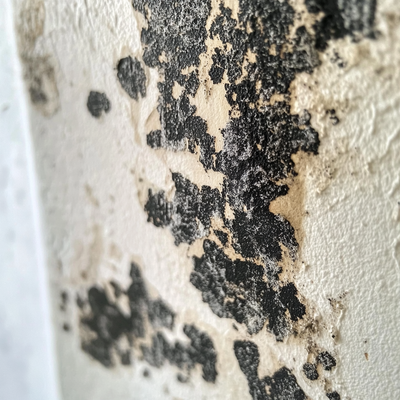
Mold 1 spores are microscopic reproductive particles released by mold 1 colonies. Unlike pollen, mold 1 spores can originate both outdoors and indoors. They thrive in damp environments such as basements, bathrooms, kitchens, and areas with past water exposure.
When mold 1 spores become airborne, they can spread through the home and settle on surfaces. Under the right conditions, these spores may contribute to additional growth and release even more particles into the air.
This is why many homeowners ask questions like: do air purifiers help with mold 1? Can an air purifier help with mold 1? The answer often depends on the technology used in the air purification system.
A well-designed mold air purifier helps reduce airborne mold 1 spores and other microscopic particles circulating in indoor spaces.
Pollen vs Mold Spores Indoors
Comparing mold 1 spores vs pollen helps explain why indoor air quality issues can persist year-round.
Pollen primarily enters from outdoors and tends to be seasonal. Mold 1 spores, on the other hand, can originate inside the home whenever moisture conditions allow growth.
Key differences include:
Pollen
• Seasonal outdoor source
• Enters through ventilation, clothing, and open windows
• Common trigger for spring and fall allergies
Mold 1 spores
• Can originate indoors or outdoors
• Thrive in damp areas
• May circulate continuously if moisture problems exist
Because both particles contribute to allergy triggers, homeowners often seek air purifiers for allergies and air purifiers for mold 1 to help manage indoor exposure.
Why Allergy Triggers Build Up Indoors
Modern homes are designed to be energy efficient, which means they trap air inside more effectively than older buildings. While this improves heating and cooling efficiency, it can also allow airborne pollutants to accumulate.
Pollen, mold 1 spores, bacteria 3, viruses 2, and allergens 4 can remain suspended in indoor air for long periods. When airflow repeatedly circulates these particles, sensitive individuals may experience ongoing irritation.
This is where dedicated purification systems become important. Many homeowners research the best air purifier for allergies or the best air purifier for mold 1 to improve indoor air quality.
Do Air Purifiers Help with Mold and Pollen?
One of the most common questions homeowners ask is whether an air purifier mold solution actually works. The short answer is that air purification systems can help reduce airborne particles when they are designed with advanced filtration and purification technology.
A mold removal air purifier helps reduce the number of airborne mold 1 spores circulating through a room. At the same time, an allergy air purifier helps reduce pollen and other allergy triggers.
However, the most effective results often come from purification systems designed to address a wide range of airborne contaminants rather than focusing on a single type of particle.
How Puraclenz Core and Photon Address Indoor Air Particles
The Core and Photon work together to improve indoor air quality by continuously addressing airborne particles that circulate through indoor environments.
The Core combines advanced filtration and purification technologies designed to reduce airborne pollutants such as mold 1 spores, pollen, bacteria 3, viruses 2, and allergens 4. For homeowners searching for the best air purifiers for mold 1 or an air purifier for allergies, the Core provides continuous air treatment designed for modern living spaces.
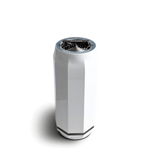
The Photon offers a compact and portable purification option. Its advanced technology allows it to be placed in bedrooms, offices, or other frequently used areas to help address airborne particles where people spend the most time.
Because pollen and mold 1 spores can circulate throughout an entire home, many homeowners choose to combine room-level purification with whole-home air treatment. This layered approach helps reduce airborne contaminants across multiple living spaces.

Choosing the Right Air Purifier for Allergies and Mold
When selecting an air purifier for mold 1 or allergies, it helps to consider several factors:
• Filtration capability
• Coverage area
• Continuous purification technology
• Ability to address multiple airborne contaminants
The best air purifier for allergies is one that continuously reduces pollen and other allergens 4. Similarly, the best air purifier for mold 1 helps reduce airborne mold 1 spores that circulate throughout the home.
Many homeowners find that air purifiers for allergies and air purifiers for mold 1 are most effective when they run consistently throughout the day, helping maintain stable indoor air quality.
Managing Indoor Air Quality Year-Round
The debate around pollen vs mold spores often comes down to seasonal versus year-round exposure. Pollen tends to dominate during peak plant seasons, while mold 1 spores can persist whenever moisture conditions allow.
Because of this, many households invest in long-term indoor air quality strategies. Solutions like the Puraclenz Core and Photon provide ongoing air purification designed to help reduce pollen, mold 1 spores, bacteria 3, viruses 2, and allergens 4 that circulate indoors.
By addressing these airborne particles continuously, homeowners can create a more comfortable indoor environment regardless of the season.
Understanding the difference between mold 1 spores vs pollen is the first step toward improving indoor air quality. With the right purification strategy and technology in place, it becomes much easier to reduce allergy triggers and maintain cleaner indoor air throughout the year.
Recommended products

Core Air & Surface Purifier + HEPA
$649.99

Photon Air & Surface Purifier
$399.99
Recommended articles

