 Free Shipping
 2-Year Warranty
 30-Day Money Back Guarantee



Is Your HVAC Spreading Pollen Through the House?
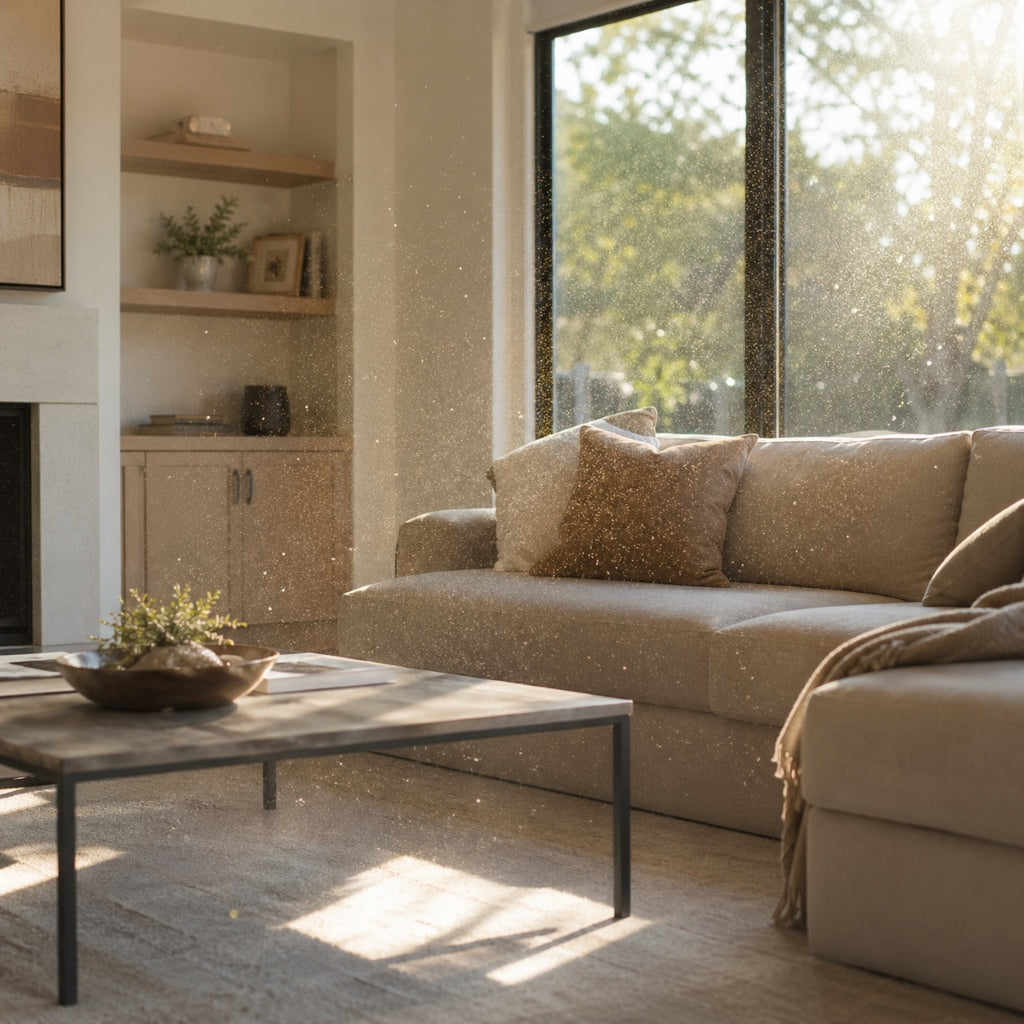
Your HVAC system is designed to keep your home comfortable, but it may also be affecting your HVAC pollen air quality in ways you don’t expect. During seasonal transitions, especially spring and fall, pollen can enter your system and circulate throughout your home. If your system is not properly maintained, it can contribute to ongoing indoor air issues that impact both comfort and cleanliness.
Understanding how HVAC pollen circulation works is an important step in identifying why indoor air sometimes feels worse even when windows are closed.
How HVAC Systems Circulate Pollen Indoors
Your HVAC system continuously pulls in air, heats or cools it, and redistributes it through ductwork. When pollen enters the system, whether through open doors, windows, or small leaks, it can become trapped inside filters or ducts and then recirculated.
This is where HVAC pollen air quality becomes a concern. Instead of removing particles, a system with poor filtration or buildup may keep moving them through your living space.
Common sources of pollen entering HVAC systems include:
- Outdoor air leaks around windows and doors
- Dirty or aging HVAC filters
- Duct leaks pulling in attic or crawlspace air
- High seasonal pollen counts
Once inside, pollen can settle in ducts and continue circulating long after peak pollen season has passed.

Dirty HVAC Systems and Pollen Build-Up
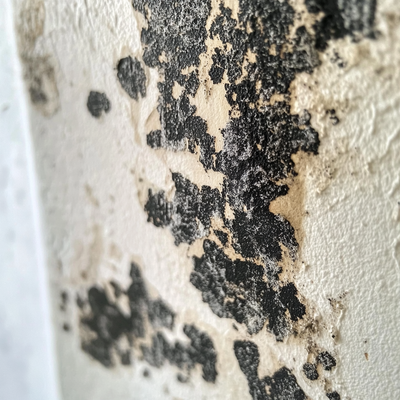
Dirty HVAC pollen issues often develop gradually. Over time, dust, debris, and moisture can accumulate inside your system. This creates an environment where particles like pollen, mold 1, and allergens 4 can collect and re-enter the airflow.
When airflow pushes through contaminated ducts, it can redistribute these particles across multiple rooms. This is why some homes experience uneven air quality, even when surfaces appear clean.
In addition to pollen, buildup may also include:
- Dust and pet dander
- bacteria 3 from damp environments
- Lingering odors from trapped particles
Without proper filtration and maintenance, your HVAC system can unintentionally act as a distribution system for indoor pollutants.
Why Duct Air Quality Matters More Than You Think
Duct air quality plays a major role in how your home feels day to day. Even if you replace filters regularly, contaminants inside ductwork can continue to circulate.
Because ducts are hidden, buildup often goes unnoticed. Over time, this can impact airflow efficiency and contribute to recurring indoor air issues. Seasonal HVAC diagnostics are becoming more important as homeowners look beyond temperature control and focus on total indoor air conditions.
Improving duct air quality involves a combination of:
- Routine HVAC inspections
- Sealing duct leaks
- Upgrading filtration systems
- Adding advanced air purification solutions
Can an Air Purifier Help with HVAC Pollen Circulation?
Many homeowners ask, are air purifiers worth it when dealing with pollen and HVAC-related air concerns? The answer depends on the type of system you use.
A standard air purifier with a HEPA filter can trap airborne particles like pollen, dust, and allergens 4. However, traditional systems are limited to filtering air that passes directly through the unit.
This is where more advanced systems can make a difference.
How the Puraclenz Core Supports HVAC Air Quality
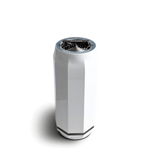
The Puraclenz Core is designed to work alongside your existing HVAC system to improve HVAC pollen air quality throughout your home. Unlike passive filtration alone, it combines multiple technologies to address both airborne and surface-level pollutants.
The system includes:
- True HEPA filtration that captures 99.97% of particles down to 0.1 microns, including pollen and dust
- Photocatalytic Oxidation (PCO) technology that helps reduce pollutants in the air and on surfaces
- Activated carbon for managing odors and VOCs
PCO technology uses a light-activated process to generate ions that interact with pollutants throughout your space, not just inside the unit. This allows for more complete coverage, including areas your HVAC airflow reaches.
By combining filtration and active purification, the Core helps reduce pollen, mold 1, viruses 2, bacteria 3, and other airborne pollutants that may be circulating through your HVAC system.
Choosing the Right Air Purifier for HVAC Support
If you're considering an air purifier air purifier setup to complement your HVAC system, there are a few factors to keep in mind:
- Room size and coverage area
- Filtration capabilities (such as air purifier with a HEPA)
- Noise levels if you need a quiet air purifier for bedrooms
- Ability to address both air and surfaces
A system that works continuously and integrates with your airflow patterns can provide more consistent results compared to standalone units alone.

Seasonal HVAC Maintenance for Better Air Quality
One of the most effective ways to improve HVAC pollen air quality is through consistent seasonal maintenance. As pollen levels rise during certain times of the year, your HVAC system works harder and can accumulate more airborne particles.
Key maintenance steps to support cleaner indoor air include:
- Replacing HVAC filters on a regular schedule
- Inspecting ductwork for dust buildup and leaks
- Checking for moisture that can contribute to mold 1 growth
- Clearing vents and returns to maintain proper airflow
- Scheduling seasonal HVAC inspections
Taking these steps can help reduce the circulation of dust, pollen, and allergens 4. Pairing routine maintenance with an advanced air purifier like the Core adds an extra layer of purification, helping address pollutants that standard filtration alone may miss.
Final Thoughts on HVAC Pollen Air Quality
If you’ve noticed persistent dust, seasonal discomfort, or uneven air quality, your HVAC system may be contributing to the issue. HVAC pollen circulation is more common than many homeowners realize, especially during high pollen seasons.
Improving HVAC pollen air quality starts with understanding how your system operates and identifying areas where pollutants may be entering or recirculating. With proper maintenance and the addition of advanced purification systems like the Puraclenz Core, you can create a more balanced and comfortable indoor environment.
Recommended products

Core Air & Surface Purifier + HEPA
$649.99
Recommended articles

