 Free Shipping
 2-Year Warranty
 30-Day Money Back Guarantee


How to Reduce Ragweed Pollen Inside Your Home
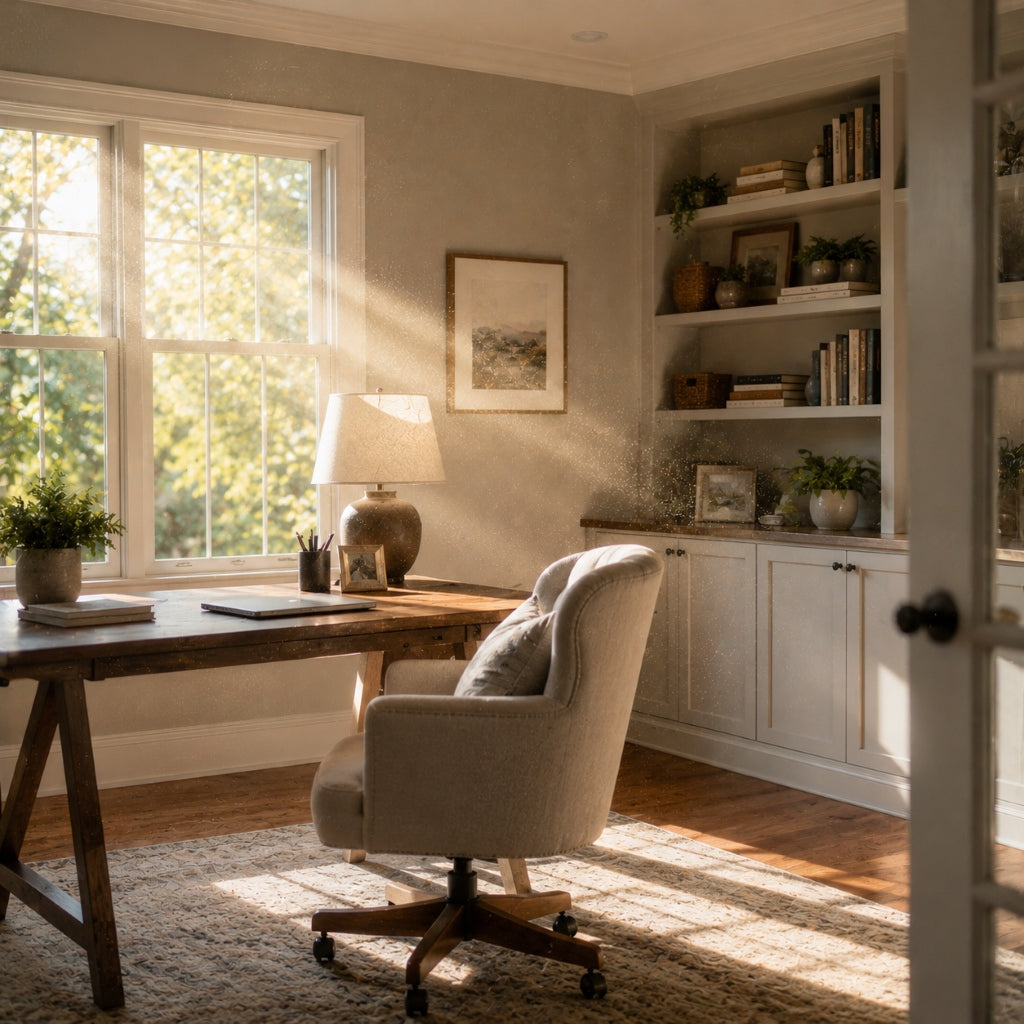
Ragweed season can make it difficult to keep pollen out of your home. Even when windows and doors stay closed, pollen can enter on clothing, shoes, pets, and other items brought indoors.
Once inside, ragweed pollen can settle on floors, furniture, bedding, and other surfaces. Everyday activities such as walking, cleaning, or moving around the house can then stir some of those particles back into the air.
If you are dealing with ragweed in the house, the best approach is to combine several strategies: reduce how much pollen enters, clean surfaces regularly, maintain your HVAC filtration, and use supplemental air purification when appropriate.
Here are 10 practical ways to reduce ragweed pollen indoors.

Why Ragweed Pollen Gets Inside Your Home
Ragweed is a major source of seasonal pollen during late summer and fall. The CDC notes that exposure to ragweed pollen can contribute to symptoms such as sneezing, congestion, runny nose, and itchy or watery eyes.
Pollen can enter your home through:
- Open windows and doors
- Clothing worn outdoors
- Shoes and footwear
- Pets that spend time outside
- Outdoor items brought indoors
- Normal air movement through the home
Once pollen settles indoors, it can become part of household dust. The EPA notes that activities such as walking, sweeping, dusting, and vacuuming can disturb settled particles and put them back into the air.
1. Keep Windows Closed When Pollen Levels Are High
One of the easiest ways to limit indoor ragweed pollen is to keep windows and doors closed during high-pollen periods.
This is especially important during peak ragweed season, when opening windows can allow additional pollen to enter your home.
Instead, rely on your HVAC system for indoor airflow when appropriate. The CDC also recommends keeping windows closed during pollen season and using high-efficiency HVAC filters when your system is designed to accommodate them.
2. Leave Shoes at the Door
Shoes can carry pollen, dirt, and other outdoor particles directly into your living spaces.
Consider creating a designated area near the entrance for shoes, jackets, bags, and other outdoor items. An entry mat can also help capture some debris before it spreads farther into the home.
This simple habit can help limit the amount of outdoor pollen tracked onto floors and carpets.
3. Change Clothes After Spending Time Outdoors
Pollen can collect on clothing, skin, and hair while you are outside.
Changing clothes after extended outdoor activities can reduce the amount of pollen transferred to sofas, beds, and other indoor surfaces.
The CDC recommends changing clothes and showering after spending time outdoors to help remove pollen from your skin and hair.
During ragweed season, try to avoid placing outdoor clothing directly on beds or upholstered furniture.
4. Vacuum and Damp-Dust Regularly
Ragweed pollen does not remain airborne indefinitely. Much of it eventually settles onto floors, furniture, and household surfaces.
Regular cleaning can help reduce this buildup.
The EPA recommends vacuuming carpets and furniture regularly and using a damp cloth for dusting. Damp dusting is particularly useful because it helps collect particles rather than simply disturbing them and sending them back into the air.
Focus on areas where pollen and dust are likely to accumulate, including:
- Carpets and area rugs
- Upholstered furniture
- Window sills
- Bedroom surfaces
- Entryways
- Pet resting areas
5. Maintain Your HVAC Filter
Your HVAC system can help manage airborne particles as air circulates throughout your home.
Check your system's filter requirements and use a high-efficiency filter that is compatible with your equipment. The CDC recommends high-efficiency HVAC filters during pollen season when the system can accommodate them.
Replace the filter according to the manufacturer's recommendations. During periods of heavy pollen, it may also be helpful to inspect it more frequently for buildup.
6. Use an Air Purifier for Airborne Pollen
Even with regular cleaning and HVAC filtration, some pollen can remain suspended in the air or become airborne again after settling.
A portable air purifier for allergies can provide supplemental filtration in rooms where you spend significant amounts of time.
The EPA notes that portable air cleaners can be used as an additional air-cleaning strategy and that pollen is one of the common particulate pollutants found indoors.
Air purifiers can be especially useful in:
- Bedrooms
- Home offices
- Living rooms
- Other frequently occupied spaces
7. Look for True HEPA Filtration
If pollen is one of your primary concerns, filtration efficiency should be an important consideration when comparing air purifiers.
True HEPA filtration is designed to capture very small airborne particles, making it particularly relevant for pollen, dust, and other particulate allergens.
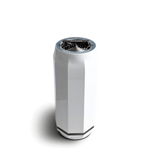
Puraclenz Core combines H13 True HEPA filtration with photocatalytic oxidation (PCO), activated carbon, and UV-C technologies.
Core's H13 True HEPA filter traps 99.97% of dust, pollen, pet dander, allergens, bacteria, and mold down to 0.1-micron particle size.
For households dealing with multiple indoor air-quality concerns, this combination provides both particle filtration and additional air purification technologies in one system.
8. Consider Puraclenz Core for Air and Surface Purification
Puraclenz Core is a 2-in-1 True HEPA and PCO air purification system designed to address a broad range of indoor air-quality concerns.
Its technologies include:
- H13 True HEPA filtration
- Photocatalytic Oxidation (PCO)
- Activated carbon
- UV-C
Core is designed to address pollutants including pollen, dust, pet dander, smoke, odors, VOCs, and other allergens.
For ragweed season specifically, the H13 True HEPA filtration helps capture airborne pollen and other particulate matter as air passes through the purifier.
Core is designed for continuous operation. We recommend replacing the filter approximately every four to six months depending on the air quality of the space and assuming 24/7 operation.
9. Pay Extra Attention to Bedrooms
Bedrooms can easily collect pollen carried indoors on clothing, hair, bedding, and other items.
Because you spend several hours in your bedroom each night, keeping this space clean during pollen season can be particularly helpful.
Consider:
- Vacuuming floors and rugs regularly
- Damp-dusting hard surfaces
- Washing bedding regularly
- Keeping outdoor clothing away from the bed
- Using supplemental air purification in the room
When comparing the best air purifier for allergies, consider room size, filtration technology, replacement-filter requirements, and how often the purifier is intended to operate.
10. Reduce Other Indoor Allergens at the Same Time
Ragweed may be the primary seasonal concern, but it is not the only allergen that can accumulate inside your home.
The EPA identifies pollen, pet dander, dust mite matter, and other biological particles among the contaminants commonly found in indoor dust.
Many of the same habits used to reduce ragweed pollen can also help manage other indoor allergens:
- Vacuum regularly
- Damp-dust surfaces
- Wash bedding regularly
- Leave outdoor footwear near the entry
- Maintain HVAC filtration
- Keep windows closed when pollen levels are high
- Use supplemental air purification where appropriate
If you are also researching a HEPA air purifier for dust mites or other allergens, look for a purifier capable of capturing airborne particles and choose a model appropriately sized for the room where it will operate.

A Simple Ragweed-Season Routine
Managing indoor pollen is easier when you follow a consistent routine.
Every Day
- Keep windows closed when outdoor pollen is high.
- Leave shoes near the entrance.
- Change clothes after extended time outdoors.
- Keep outdoor clothing away from beds and upholstered furniture.
Every Week
- Vacuum carpets, rugs, and upholstered furniture.
- Damp-dust frequently used surfaces.
- Wash bedding regularly.
- Clean entryways where outdoor debris collects.
Throughout Ragweed Season
- Monitor local pollen conditions.
- Inspect your HVAC filter.
- Replace filters when recommended.
- Use supplemental air purification in frequently occupied rooms.
Can an Air Purifier Remove Ragweed Pollen?
An air purifier can help capture airborne ragweed pollen, but it works best as part of a broader indoor air-quality strategy.
The EPA notes that larger particles such as pollen often settle onto household surfaces. Once settled, they cannot be captured by an air purifier until they become airborne again.
That is why air purification should complement, rather than replace, regular cleaning and steps that prevent pollen from entering your home in the first place.
For the most comprehensive approach, combine particle filtration with good cleaning habits, HVAC maintenance, and source control.
Final Thoughts
You may not be able to keep every grain of ragweed pollen out of your home, but you can reduce how much enters and circulates indoors.
Start with the basics: keep windows closed when pollen levels are high, leave shoes near the entrance, change clothes after spending time outdoors, clean floors and surfaces regularly, and maintain your HVAC filtration.
For additional airborne-particle filtration, an air purifier can complement these steps.
Puraclenz Core combines H13 True HEPA filtration with PCO, activated carbon, and UV-C technologies to address pollen and a broader range of indoor air-quality concerns.
By combining source control, cleaning, filtration, and consistent everyday habits, you can create a cleaner indoor environment throughout ragweed season.
Recommended products

Core Air & Surface Purifier + HEPA
$649.99
Recommended articles

