 Free Shipping
 2-Year Warranty
 30-Day Money Back Guarantee


How to Reduce Indoor Allergens During Peak Season
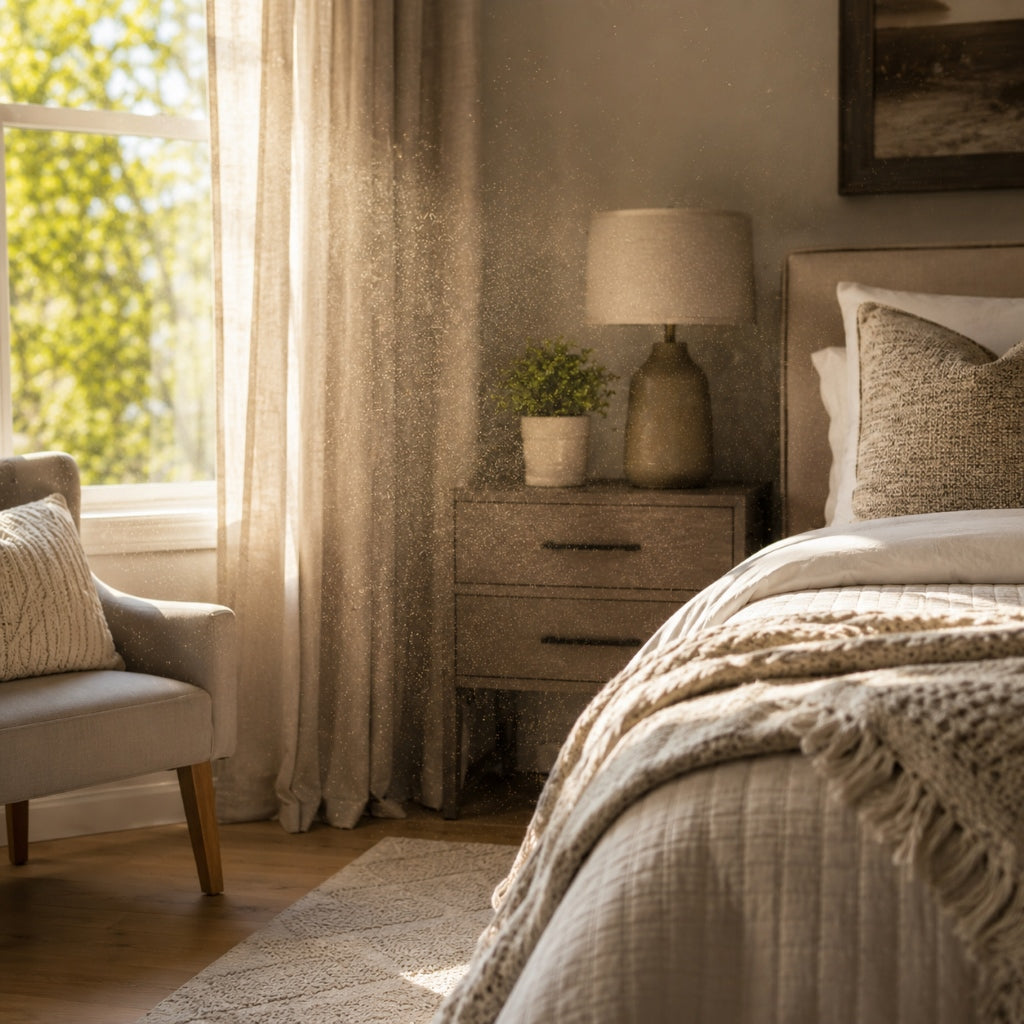
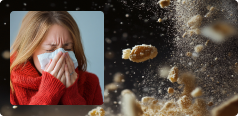
Spring and fall are often the toughest times of year for allergy sufferers. Outdoor pollen, dust, pet dander, and other airborne particles easily enter the home through open doors, windows, clothing, and HVAC systems. Once inside, these particles circulate continuously, making it difficult to maintain clean indoor air.
For many households, the goal is to reduce indoor allergens 4 before they accumulate throughout living spaces. While regular cleaning helps, seasonal conditions often require a more complete approach that combines ventilation management, filtration, humidity control, and air purification technologies.
If you are searching for allergen removal tips or considering an air purifier for allergies, understanding how allergens 4 move through your home can help you create a more comfortable indoor environment during peak allergy season.
Why Indoor Allergens Increase During Peak Seasons
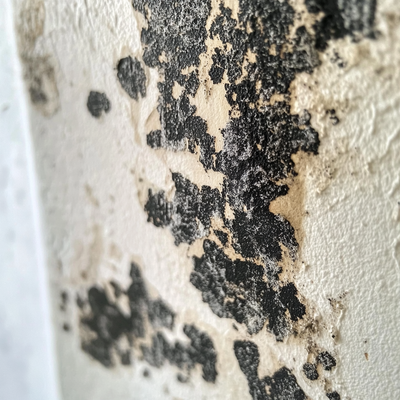
Seasonal allergens 4 rarely stay outdoors. Pollen can attach to shoes, clothing, and pets before spreading throughout your home. Dust particles build up faster as HVAC systems run more frequently, while changing humidity levels may contribute to mold 1 growth in damp areas.
Common indoor allergy triggers during peak seasons include:
- Pollen carried in from outside
- Dust and dust mite debris
- Pet dander and fur
- Mold 1 spores in damp spaces
- Smoke particles and VOCs
- Household particles trapped in carpets and upholstery
Even after outdoor air improves, these particles can continue circulating indoors for days or weeks if not properly addressed.

Start With HVAC Maintenance
One of the most effective ways to reduce indoor allergens 4 is by improving the performance of your HVAC system. Your heating and cooling system constantly moves air throughout the home, meaning dirty filters and dusty ductwork can contribute to ongoing particle circulation.
Important HVAC maintenance steps include:
- Replacing HVAC filters regularly
- Vacuuming vents and air returns
- Scheduling seasonal inspections
- Checking ductwork for buildup or leaks
- Managing indoor humidity levels
- Using higher-efficiency filtration when appropriate
Homes with pets or high pollen exposure may need more frequent filter replacements during allergy season.
Control Moisture and Humidity Indoors
Humidity plays a major role in indoor air quality. Excess moisture can contribute to mold 1 growth, while overly dry conditions may irritate airways and allow particles to remain airborne longer.
To support cleaner indoor air:
- Use exhaust fans in kitchens and bathrooms
- Address leaks quickly
- Run dehumidifiers in damp spaces
- Keep basements properly ventilated
- Monitor indoor humidity levels seasonally
Balanced humidity can help reduce conditions that allow certain airborne pollutants to spread more easily indoors.
Clean Soft Surfaces Frequently
Carpets, curtains, upholstery, and bedding can trap large amounts of allergens 4. During peak allergy season, particles settle into fabrics and may become airborne again through daily movement.
Helpful allergen removal tips for soft surfaces include:
- Vacuuming with HEPA filtration
- Washing bedding weekly in hot water
- Cleaning curtains and fabric furniture regularly
- Reducing clutter that collects dust
- Using entry mats near doors
- Removing shoes indoors
For homes with pets, grooming and bathing routines may also help reduce dander buildup throughout the home.
Improve Air Filtration Throughout the Home
Filtration is one of the most important tools for reducing airborne particles indoors. Many people look for an allergy air purifier or allergy air purifier HEPA system during peak allergy months because HEPA filtration is designed to capture fine particles like pollen, dust, and pet dander.
A hepa air purifier for dust mites may also help capture airborne debris associated with dust accumulation inside the home.
When evaluating air purifiers for allergies, homeowners often consider:
- Room coverage size
- HEPA filtration performance
- Carbon filtration for odors and VOCs
- Noise levels for bedrooms
- Automatic air quality monitoring
- Long-term filter maintenance requirements
The best air purifier for allergies is often one that matches both your room size and the types of pollutants commonly found in your environment.
The Role of the Puraclenz Core During Allergy Season
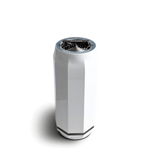
The Core is designed to support cleaner indoor environments through a combination of multi-stage filtration and advanced PCO purification technology. The Core combines H13 True HEPA filtration, activated carbon filtration, UV-C technology, and patented PCO purification to address airborne particles and surface pollutants throughout the home.
Its H13 True HEPA system captures 99.97% of particles down to 0.1 microns, including dust, pollen, pet dander, and allergens 4. The activated carbon layer helps reduce smoke and VOCs, while the unit’s automatic air quality monitoring adjusts fan speeds as indoor conditions change.
Key features of the Puraclenz Core include:
- 5-stage purification system
- H13 True HEPA filtration
- Activated carbon filtration
- UV-C purification technology
- Automatic air quality monitoring
- Sleep mode with quiet operation
- Coverage for larger living spaces
The system is often considered by homeowners searching for an allergy air purifier that addresses both airborne particles and surface pollutants during high-allergen seasons.

Daily Habits That Support Cleaner Indoor Air
Small daily routines can make a noticeable difference during peak allergy periods. Consistency is often more important than occasional deep cleaning.
Helpful habits include:
- Keeping windows closed during high pollen days
- Using air purification continuously during allergy season
- Changing clothes after spending time outdoors
- Showering before bed to remove pollen
- Wiping pets down after outdoor activity
- Cleaning surfaces with microfiber cloths
These simple practices help limit the number of outdoor particles entering and circulating throughout the home.
Creating a Long-Term Allergy Reduction Strategy
Seasonal allergies often require more than one solution. The most effective approach typically combines cleaning routines, HVAC maintenance, humidity control, and air purification technologies to support clean indoor air throughout the year.
For households managing recurring seasonal air quality concerns, combining filtration with proactive purification technologies may help reduce the buildup of airborne pollutants over time. Systems like the Puraclenz Core are designed to support larger spaces with continuous purification features that address changing indoor conditions throughout allergy season.
Recommended products

Core Air & Surface Purifier + HEPA
$649.99

