 Free Shipping
 2-Year Warranty
 30-Day Money Back Guarantee


How to Prepare Your Home’s Air Quality for Fall Allergy Season
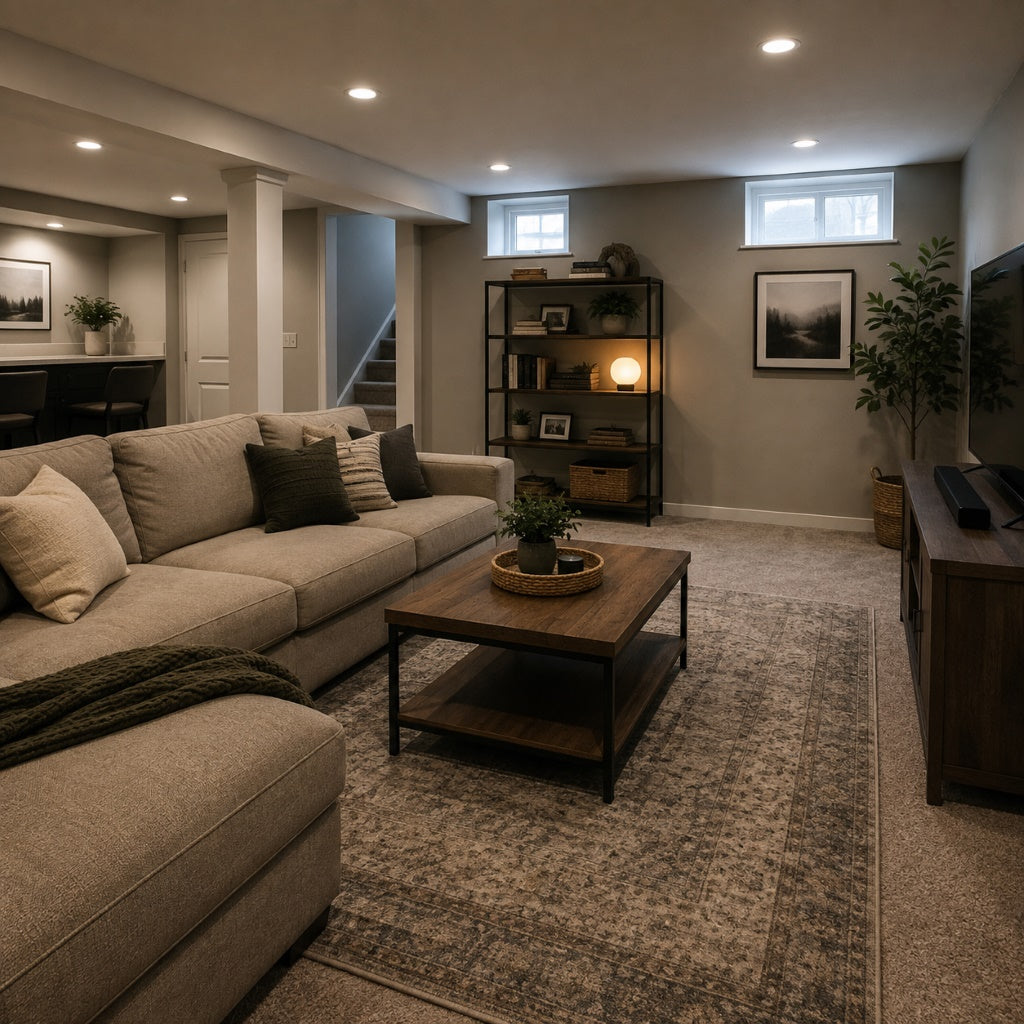
As summer winds down and fall approaches, many households begin spending more time indoors. Windows may stay closed more often, air conditioning may continue to run, and seasonal allergens such as ragweed pollen can still make their way inside.
For people dealing with fall allergies, indoor air quality can become an important part of seasonal preparation. Outdoor pollen can enter your home through open doors and windows or travel inside on clothing, shoes, and pets. At the same time, dust, pet dander, and other indoor allergens 4 can remain suspended in the air or settle on household surfaces.
Before fall allergy season is in full swing, take some time to improve your home’s indoor air quality and reduce the particles circulating throughout your living spaces.

Why Fall Allergies Can Affect Indoor Air Quality
Ragweed is one of the most common seasonal allergy triggers in late summer and fall. Its lightweight pollen can travel through the air and easily enter homes as people move between outdoor and indoor environments.
Once indoors, pollen can settle on floors, furniture, bedding, curtains, and other surfaces. Everyday activities such as walking, vacuuming, or sitting on upholstered furniture can disturb these particles and send them back into the air.
Seasonal changes can also affect home ventilation. As temperatures cool, windows may remain closed for longer periods, reducing natural air exchange. This makes regular cleaning, HVAC maintenance, and indoor air filtration important parts of a fall indoor air quality strategy.
While it is impossible to completely prevent outdoor particles from entering your home, a few practical steps can help reduce the amount of pollen, dust, and other allergens circulating indoors.
1. Check Your HVAC System Before Fall
Your heating and cooling system plays an important role in how air and airborne particles move throughout your home.
Start by checking your HVAC filter and replacing it according to the manufacturer’s recommendations. A dirty or overdue filter can restrict airflow and reduce filtration performance.
It is also a good time to inspect accessible supply vents and return vents for accumulated dust. Routine HVAC maintenance can help your system operate as intended while supporting your overall indoor air quality efforts.
2. Reduce Pollen at Entry Points
Pollen does not stay airborne forever. It eventually settles on surfaces throughout the home, which means preventing outdoor particles from spreading indoors is an important part of fall allergy preparation.
Entryways are a good place to begin. Shoes, jackets, bags, and other items that have been outdoors can carry pollen inside. Regular cleaning can help keep those particles from spreading to bedrooms, living spaces, and other areas of the home.
Pay particular attention to:
- Entryway floors and doormats
- Upholstered furniture
- Bedroom surfaces and bedding
- Curtains and other fabric surfaces
- Floors underneath furniture
- Pet bedding and resting areas
Consistent vacuuming and dusting can help remove settled particles before normal household activity puts them back into the air.
3. Make Your Bedroom a Priority
Bedrooms deserve extra attention during fall allergy season because you spend several hours there every night.
Dust and dust mite matter can accumulate in mattresses, bedding, carpeting, upholstered furniture, and other soft surfaces. Pollen brought indoors on clothing or hair can also end up on bedding.
Wash bedding regularly according to its care instructions, keep bedroom surfaces clean, and avoid placing outdoor clothing directly on beds or upholstered furniture.
If airborne particles are a concern, a HEPA air purifier for allergies can provide another layer of filtration by capturing particulate matter such as pollen, dust, and pet dander from the air.
4. Consider an Air Purifier for Fall Allergies
An air purifier for allergies can complement regular cleaning and HVAC filtration by continuously treating the air in frequently occupied areas of your home.
When comparing air purifiers, look closely at the purification and filtration technologies they use rather than relying only on broad marketing claims.
HEPA filtration is designed to capture airborne particulate matter, making it particularly relevant for pollutants such as pollen, dust, pet dander, and other small particles.
The best air purifier for allergies will depend on your home, including room size, airflow, filtration technology, operating modes, maintenance requirements, and the types of indoor pollutants you want to address.
5. How Puraclenz Core Supports Fall Indoor Air Quality
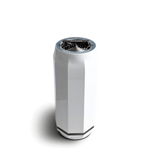
Puraclenz Core combines multiple air purification technologies in one system. Core uses PCO technology, activated carbon, UV-C, and H13 True HEPA filtration to address airborne and surface pollutants rather than relying on filtration alone.
Its H13 True HEPA filter is specified to trap 99.97% of dust, pollen, pet dander, allergens 4, and other particles down to 0.1 micron. Puraclenz PCO technology is also designed to work throughout indoor spaces, addressing pollutants in the air and on exposed surfaces.
That combination can be especially relevant during fall allergy season, when pollen and other airborne particles may enter the home and circulate through frequently occupied spaces.
Core also incorporates activated carbon to help address odors and certain gaseous pollutants, adding another layer to its multi-stage purification system.
6. Manage Dust and Pet Dander Indoors
Fall allergy preparation is not only about outdoor pollen. Indoor pollutants such as dust and pet dander can also contribute to the overall particle load inside your home.
If you have pets, regularly wash pet bedding and clean the areas where they spend the most time. Grooming pets appropriately can also help reduce loose hair and dander around the home.
Homes with carpeting, rugs, or upholstered furniture may benefit from more frequent vacuuming because these materials can collect dust, pollen, and pet-related particles.
A combination of source control, routine cleaning, HVAC filtration, and air purification can provide a more comprehensive indoor air quality strategy than relying on any single method.
7. Complete a Fall Indoor Air Quality Checklist
Before fall allergy season reaches its peak, walk through your home and look for simple opportunities to improve indoor air quality.
Check your HVAC filter, inspect entryway floors and mats, clean dust from bedroom and living room surfaces, wash bedding and pet fabrics, and replace or clean filters in portable air purifiers according to their maintenance schedules.
Then think about where an air purifier could provide the most value.
If pollen, dust, or pet dander are your primary concerns, consider placing an air purifier in a bedroom, living room, home office, or another frequently occupied area where continuous air treatment can have the greatest impact.
Use a Layered Approach to Fall Indoor Air Quality
Preparing your home for fall allergy season does not require a complicated routine.
Start with the basics: maintain your HVAC system, clean floors and surfaces regularly, wash bedding, reduce outdoor particles at entry points, and pay attention to areas where dust and pet dander tend to accumulate.
Air filtration can then provide an additional layer. A HEPA air purifier can capture airborne particulate matter, while a multi-stage system such as Puraclenz Core combines H13 True HEPA filtration with PCO technology, activated carbon, and UV-C.
This gives households another option for addressing pollen and other airborne particles while supporting a broader indoor air quality strategy.

Prepare Before Ragweed Season Peaks
Fall allergy preparation is easier when you begin before seasonal pollen levels are at their highest.
Use the final weeks of summer to clean high-traffic areas, check your HVAC filtration, refresh bedroom spaces, reduce pollen at entry points, and evaluate your home’s air purification setup.
For households concerned about ragweed pollen, indoor allergens 4, dust, or pet dander, these steps can help create a more consistent indoor air quality routine as the seasons change.
Puraclenz Core combines PCO purification, H13 True HEPA filtration, activated carbon, and UV-C in one air and surface purification system. Its HEPA filtration is designed to capture pollen, dust, pet dander, and allergens 4, while its additional technologies address a broader range of indoor pollutants.
Preparing early can help your home enter fall with a cleaner, more consistent approach to indoor air quality.
Recommended products

Core Air & Surface Purifier + HEPA
$649.99
Recommended articles

