 Free Shipping
 2-Year Warranty
 30-Day Money Back Guarantee



How to Keep Wildfire Smoke Out of Your Home: 10 Practical Steps
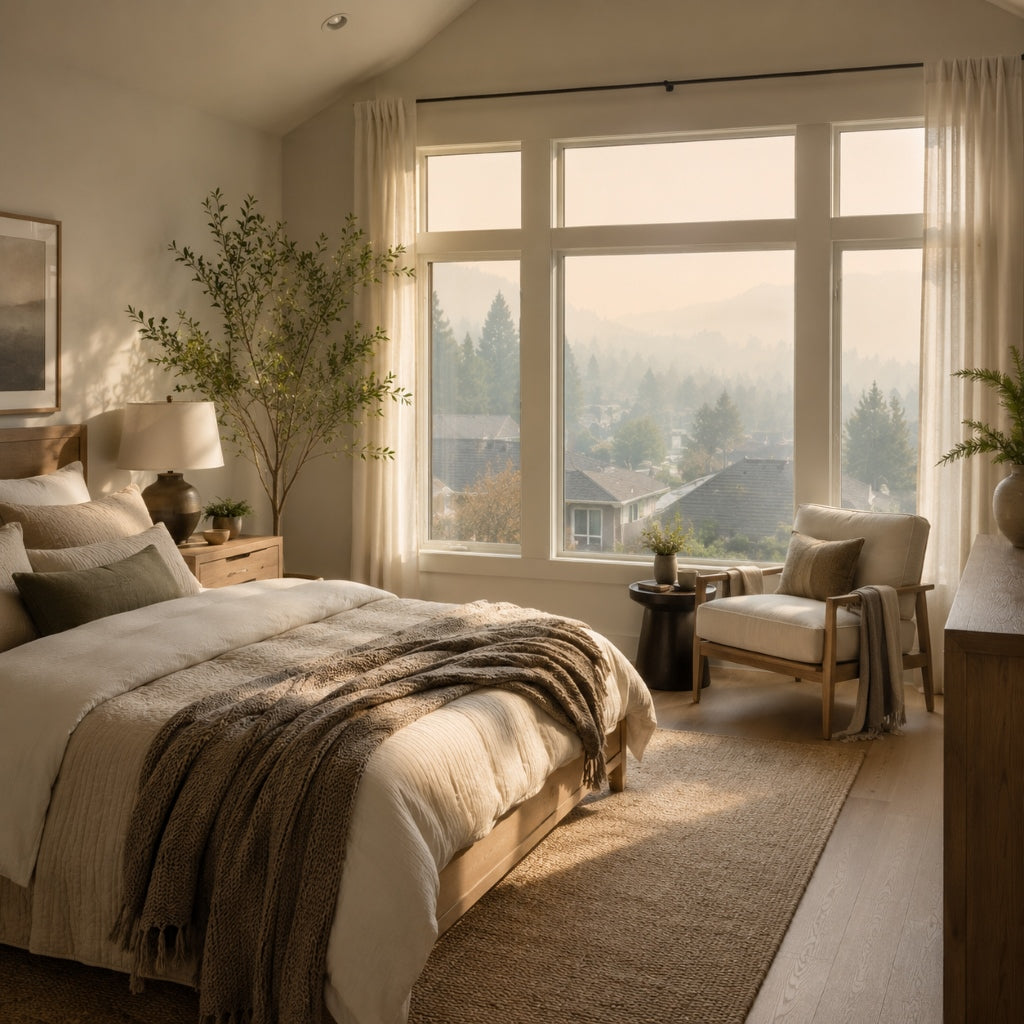
When wildfire smoke moves into your area, keeping it outside can be difficult. Even with windows and doors closed, fine smoke particles can enter through small gaps, ventilation systems, and other openings throughout your home.
Learning how to keep wildfire smoke out of your house starts with limiting the amount of outdoor air that enters your living space and improving indoor air cleaning. From sealing windows and adjusting HVAC settings to using an air purifier for smoke, these practical steps can help you maintain cleaner indoor air during wildfire season.
Why Does Wildfire Smoke Get Inside Your Home?
Wildfire smoke contains a complex mixture of gases and fine airborne particles. Because these particles can be extremely small, they may enter your home through cracks around windows and doors, ventilation openings, and other gaps in the building envelope.
Outdoor smoke can also enter through heating, cooling, and ventilation systems. Even briefly opening a door or window during smoky conditions can bring additional outdoor pollutants indoors.
That means reducing wildfire smoke indoors requires more than simply closing your windows. Air leaks, HVAC settings, filtration, indoor air circulation, and indoor pollution sources can all affect the air inside your home.

1. Keep Windows and Exterior Doors Closed
One of the simplest ways to reduce wildfire smoke indoors is to keep windows and exterior doors closed whenever outdoor air quality is poor.
Try to limit unnecessary trips in and out of the house, since each open door gives smoky outdoor air another opportunity to enter.
Check frequently used windows and doors for visible gaps or drafts. Weatherstripping and other appropriate sealing materials can help reduce unwanted outdoor air infiltration, particularly in homes with older windows and doors.
2. Check Your HVAC and Ventilation Settings
Your home's HVAC system can affect how much outdoor air enters your living space. During wildfire smoke events, review your system's settings and follow the recommendations provided by the equipment manufacturer.
If your HVAC system has a recirculation setting, using it when appropriate can help limit the amount of smoky outdoor air brought inside. Some homes may also have fresh-air ventilation systems that can be adjusted temporarily while outdoor smoke levels are elevated.
Do not make changes that could interfere with required ventilation or combustion equipment. If you are unsure how your system works, consult a qualified HVAC professional.
3. Use an Air Purifier for Wildfire Smoke
Even after you close windows and doors and reduce air leaks, some wildfire smoke particles can still make their way indoors. An air purifier for wildfire smoke can provide another layer of indoor air cleaning by continuously circulating room air through filtration and purification technologies.
When comparing air purifiers for smoke, consider:
- Room size and recommended coverage area
- Airflow and circulation
- Particle filtration technology
- Odor and gas reduction technologies
- Filter replacement and maintenance requirements
- Whether the purifier addresses other common indoor pollutants
A system designed to address multiple types of indoor air pollution can also provide benefits beyond wildfire season.
4. Consider a Multi-Technology Air Purifier Like the Puraclenz Core
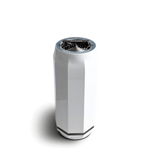
The Puraclenz Core is designed as an all-in-one air and surface purification system for a broad range of indoor pollutants, including smoke and odors.
The Core combines H13 True HEPA filtration, activated carbon, PCO technology, and UV-C technology within one system
The Core's H13 True HEPA filter traps 99.97% of dust, pollen, pet dander, allergens 4, bacteria 3, and mold 1 down to 0.1 micron particles. Smoke and odors are also identified among the pollutants addressed by the Core.
Its PCO technology is described by Puraclenz as a light-powered process designed to continuously break down pollutants in the air and on surfaces.
For homeowners looking for an air purifier for smoke that can also address other indoor air-quality concerns throughout the year, the Core provides a broader approach than filtration alone.
5. Create a Cleaner-Air Room
During periods of heavy wildfire smoke, consider designating one room in your home as your primary cleaner-air space.
Choose a room where windows and doors can remain closed and where an air purifier can effectively circulate the air. Bedrooms and other frequently occupied rooms may be practical options depending on your home's layout.
Keep this room as free as possible from activities that create additional airborne particles. Avoid smoking, burning candles, using fireplaces, or creating unnecessary cooking emissions in the space.
Place your air purifier where air can move freely around it rather than directly against a wall, behind furniture, or underneath objects that could restrict airflow.
6. Reduce Indoor Sources of Smoke and Airborne Particles
Wildfire smoke is not the only source of airborne particles inside your home. Cooking, fireplaces, candles, smoking, and other household activities can also contribute to indoor air pollution.
When wildfire smoke is already affecting outdoor air quality, reducing these additional sources can help limit the overall amount of airborne pollution inside your home.
If cooking is necessary, use kitchen ventilation according to the manufacturer's recommendations and avoid activities that intentionally generate smoke indoors.
7. Monitor Outdoor Air Quality
Keeping track of outdoor air quality can help you determine when to close windows, adjust ventilation, and increase indoor air cleaning.
During wildfire season, monitor local air-quality conditions and pay particular attention to changes in particulate pollution. When outdoor conditions worsen, take steps to limit the amount of outside air entering your home.
Wildfire smoke conditions can change quickly, so preparing before air quality deteriorates can make it easier to protect your indoor environment.
8. Check and Replace Air Filters
Heavy smoke can place additional demands on filtration systems. Check both your HVAC filter and air purifier filters according to the manufacturer's recommendations, especially after extended periods of wildfire smoke.
The Core product page states that its filter should generally be replaced every 4–6 months depending on the air quality of the installation space, assuming continuous 24/7 operation.
The Core also includes indicator lights that notify users when it is time to order and replace the filter.
Following the recommended maintenance schedule can help your equipment continue operating as intended.
9. Avoid Bringing Smoke Residue into Your Living Space
After spending time outdoors during smoky conditions, smoke and odors may cling to clothing, hair, shoes, and other surfaces.
When wildfire smoke is significant, consider removing outer layers after coming indoors and keeping smoke-exposed clothing away from your primary living areas.
Laundering exposed fabrics and cleaning frequently used surfaces can also help reduce lingering smoke odors and residue indoors.
10. Prepare Your Home Before Wildfire Smoke Arrives
The best time to prepare for wildfire smoke is before it reaches your neighborhood.
Before wildfire season or an expected smoke event:
- Check seals around windows and exterior doors.
- Inspect your HVAC filter.
- Confirm that your air purifier is operating properly.
- Make sure replacement filters are available.
- Review your HVAC and ventilation settings.
- Choose a room that can serve as a cleaner-air space if necessary.
If you use the Core, check its filter indicator and familiarize yourself with the recommended maintenance schedule ahead of time.
Having an indoor-air plan in place makes it easier to respond quickly when outdoor conditions change.
What Should You Look for in an Air Purifier for Wildfire Smoke?
If you are shopping for an air purifier for wildfire smoke, choose a system that matches the needs of your home rather than focusing on a single feature.
A True HEPA filter can capture fine airborne particles, while activated carbon can help address odors and certain gaseous pollutants. Airflow and room coverage are also important because the purifier needs to circulate enough air for the space in which it is operating.
It can also be useful to consider whether you want a purifier focused primarily on smoke or a broader system designed to address multiple types of indoor pollution.
The Core combines True HEPA filtration, activated carbon, PCO, and UV-C technologies. Its product specifications identify smoke, odors, dust, pollen, VOCs, pet dander, allergens 4, bacteria 3, viruses 2, and mold 1 among the pollutants addressed by the system.

How to Keep Wildfire Smoke Out of Your House: Quick Checklist
- Keep windows and exterior doors closed during smoky conditions.
- Seal noticeable gaps around windows and doors.
- Review your HVAC and ventilation settings.
- Use recirculation when appropriate for your HVAC system.
- Run an appropriately sized air purifier for smoke.
- Create a designated cleaner-air room.
- Reduce indoor activities that generate smoke or particles.
- Monitor outdoor air-quality conditions.
- Check HVAC and air purifier filters regularly.
- Prepare replacement filters and supplies before wildfire season.
Keep Wildfire Smoke Outdoors and Improve Indoor Air Quality
Knowing how to keep wildfire smoke out of your home comes down to two main strategies: limiting the amount of polluted outdoor air that enters your house and improving the way indoor air is cleaned.
Closing windows and doors, sealing air leaks, adjusting HVAC settings appropriately, reducing indoor particle sources, monitoring outdoor air quality, and using an effective air purifier can all work together to help maintain cleaner indoor air during wildfire smoke events.
For homeowners looking for a broader indoor air purification solution, the Puraclenz Core combines True HEPA filtration, activated carbon, PCO, and UV-C technologies in one system. It is designed to address smoke along with a wide range of other common indoor pollutants, providing a solution that can be used throughout the year.
Recommended products

Core Air & Surface Purifier + HEPA
$649.99
Recommended articles

