 Free Shipping
 2-Year Warranty
 30-Day Money Back Guarantee


How to Clean Indoor Air After Spring Cleaning
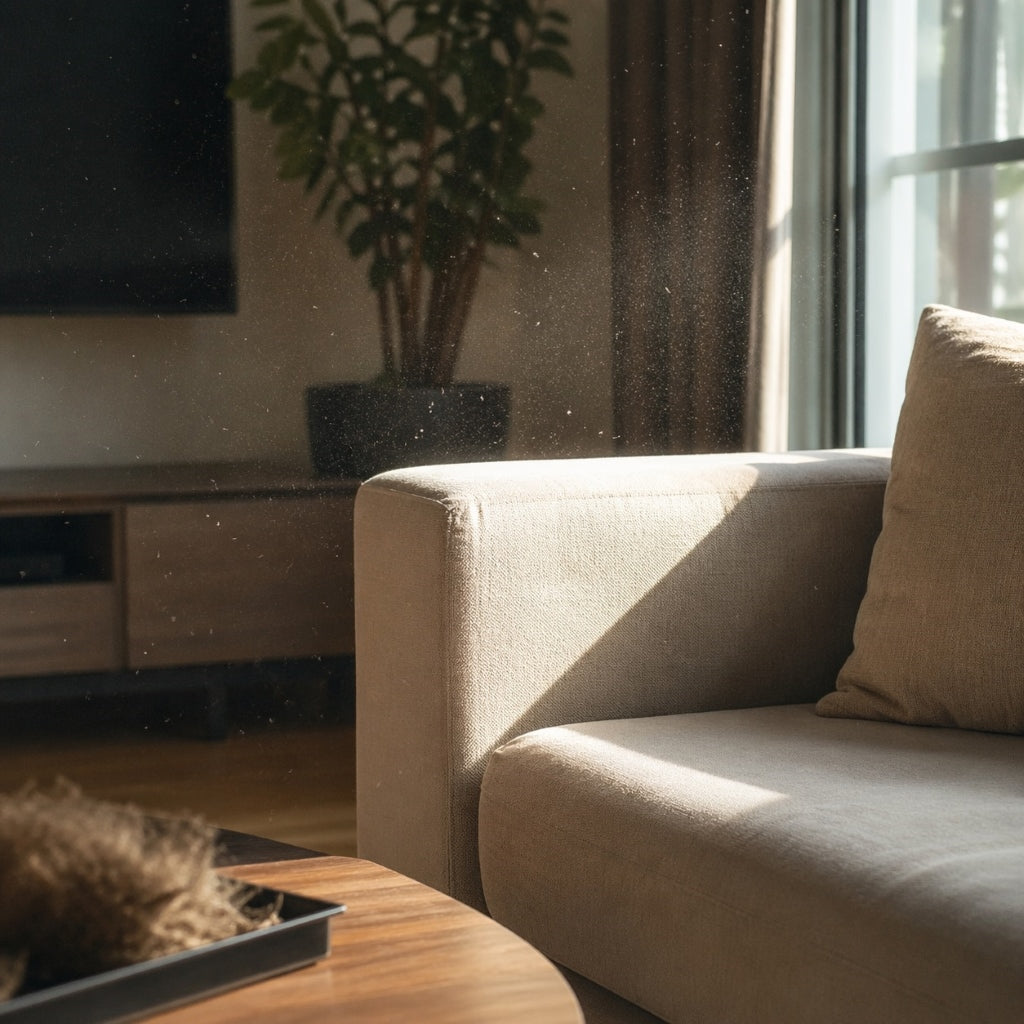
Spring cleaning leaves your home looking refreshed, but what many people don’t realize is that it can temporarily worsen indoor air conditions. Stirring up dust, debris, and hidden pollutants often leads to lingering particles in the air long after surfaces look spotless. If you want to truly clean indoor air after cleaning, it’s important to follow up with the right air reset strategy.
Why Air Quality Drops After Cleaning
Cleaning activities like sweeping, vacuuming, and wiping surfaces disturb particles that settle over time. Once airborne, these particles can circulate for hours or even days.
Common contributors include:
- Dust after cleaning from carpets, upholstery, and vents
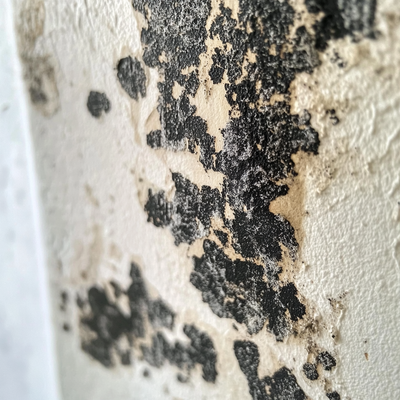
- Disturbed mold 1 spores in damp areas
- Airborne bacteria 3 and allergens 4 released from surfaces
- Chemical residues from cleaning products
Even thorough cleaning can unintentionally spread these pollutants throughout your home, which is why a post-cleaning air reset is essential.

How to Clean Indoor Air After Cleaning
1. Let Particles Settle, Then Remove Them
After cleaning, give your home time for airborne dust to settle. Then:
- Use a damp microfiber cloth to capture fine particles
- Vacuum again using a sealed system
- Focus on overlooked areas like vents, baseboards, and furniture
This second pass helps remove what was stirred up during the initial cleaning.
2. Improve Air Circulation Strategically
Airflow helps move particles out of stagnant areas, but uncontrolled airflow can bring in more outdoor pollutants. Instead:
- Use controlled ventilation when outdoor conditions are favorable
- Run HVAC systems with clean filters
- Avoid opening windows during high pollen days
Balancing airflow is key to improving spring cleaning air quality without introducing new irritants.
3. Address Hidden Sources of Pollution
Some pollutants remain even after surfaces are clean. These include:
- Lingering mildew 1 in damp spaces
- Dust embedded in fabrics
- Odors and VOCs from cleaning products
These sources continuously release particles into the air, making ongoing purification important.
Does an Air Purifier Help with Dust?
A common question after cleaning is: would an air purifier help with dust?
The answer is yes, when designed to capture and treat a wide range of airborne particles.
It’s common to wonder whether an air purifier actually makes a difference. Questions like “does an air purifier help with dust?” or “will an air purifier reduce dust after cleaning?” come up often, and they all point to the same need: removing fine particles that standard cleaning can’t fully address.
Best Solution: Puraclenz Core for Post-Cleaning Air Reset
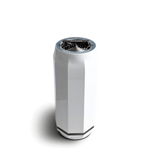
The Puraclenz Core is specifically designed to handle the kind of air disruption that happens after spring cleaning. It goes beyond surface-level filtration by combining multiple purification stages.
Key features include:
- H13 True HEPA filtration that captures dust, pollen, and allergens 4
- PCO purification that actively treats pollutants in the air and on surfaces
- Coverage for large areas, making it ideal for whole-home use after cleaning
- Activated carbon filtration for odors and airborne chemicals
This combination allows the system to address both visible dust and microscopic particles that remain suspended in the air after cleaning.
Why the Puraclenz Core Works After Cleaning
Unlike basic filtration systems, the Puraclenz Core uses a multi-stage approach:
- Pre-filter captures large dust particles
- HEPA filter traps fine particles including mold 1 and allergens 4
- PCO technology generates ions that inactivate airborne pollutants
- UV-C component reduces bacteria 3 and viruses 2 that pass through the system
This layered approach is especially useful after cleaning, when particles are actively circulating.

Spring cleaning leaves your home looking refreshed
Many people don’t realize is that it can temporarily worsen indoor air conditions. Stirring up dust, debris, and hidden pollutants often leads to lingering particles in the air long after surfaces look spotless. If you want to truly clean indoor air after cleaning, it’s important to follow up with the right air reset strategy.
This is where the Core becomes especially useful. Designed to address both airborne and surface-level pollutants, it works continuously after cleaning to reduce lingering dust, allergens 4, and other particles that standard cleaning methods leave behind, helping bring your indoor environment back into balance.
Why Air Quality Drops After Cleaning
Cleaning activities like sweeping, vacuuming, and wiping surfaces disturb particles that settle over time. Once airborne, these particles can circulate for hours or even days.
Final Thoughts
Cleaning your home is only part of the process. To fully clean indoor air after cleaning, you need to address what becomes airborne during the process. Dust after cleaning, disturbed particles, and lingering pollutants can continue circulating long after you’re done.
Using a system like the Puraclenz Core helps complete the job by actively reducing airborne contaminants and restoring balance to your indoor environment. When combined with smart cleaning habits, it creates a more complete approach to spring cleaning air quality.
Recommended products

Core Air & Surface Purifier + HEPA
$649.99
Recommended articles

