 Free Shipping
 2-Year Warranty
 30-Day Money Back Guarantee



How Often Should You Replace Air Purifier Filters?

Air purifiers are designed to operate continuously, which means their filters are always working. Understanding the right schedule for air purifier filter replacement helps maintain consistent airflow, efficient purification and long-term system performance. This type of maintenance-focused content supports informed purchasing decisions, where replacement filters play an important role in ongoing use.
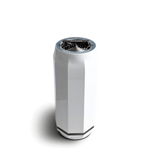
Both Core and Photon air purifiers rely on properly maintained filters to combat indoor pollutants and support rapid purification in residential and commercial environments.
Why Filter Maintenance Matters
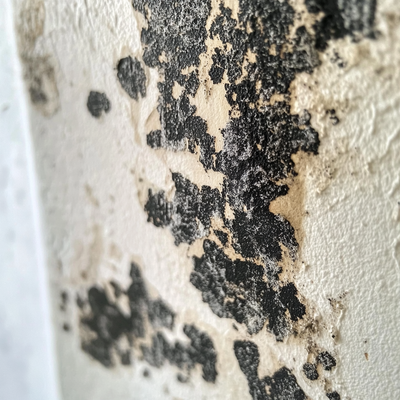
As an air purifier operates, the air purifier filter captures dust, debris, mold1, mildew, bacteria3, viruses2 and other airborne pollutants. Over time, buildup within the filter can restrict airflow and reduce overall purification efficiency.
Routine air purifier filter replacement allows the system to continue operating as designed while maintaining reliable purification performance.

Recommended Air Purifier Filter Replacement Timelines
Filter lifespan varies based on purifier type, room conditions, and daily usage. General replacement guidelines include:
- Core air purifier filters typically require replacement every 6 to 12 months
- Carbon-based filters may need replacement every 3 to 6 months in higher-odor environments
- Photon filter systems are designed for extended use and often require replacement every 12 to 18 months
Homes with pets, higher occupancy, or elevated allergens4 may require more frequent air purifier filter replacement.
Signs Your Air Purifier Filter Needs Replacement
Even before the recommended timeframe, certain performance changes may indicate it is time to replace your air purifier filter:
- Reduced airflow output
- Increased visible dust settling indoors
- Persistent odors during operation
Core and Photon products include filter monitoring features that help track usage and notify users when replacement is recommended.

Replacing Filters in Core and Photon Air Purifiers
Replacing an air purifier filter is a simple process:
- Turn off and unplug the air purifier
- Open the filter compartment
- Remove the used air purifier filter
- Insert the replacement filter
- Reset the filter indicator if applicable
Using manufacturer-approved air purifier filters ensures proper fit and supports continued purification performance.
Maximizing Filter Lifecycle
To extend the usable life of air purifier filters:
- Operate the system consistently rather than intermittently
- Keep intake vents clear of dust buildup
- Follow filter replacement alerts without delay
Routine air purifier filter replacement supports long-term system performance and allows Core and Photon air purifiers to continue fighting airborne pollutants effectively.
Recommended products


Recommended articles

