 Free Shipping
 2-Year Warranty
 30-Day Money Back Guarantee



How HVAC Systems Impact Air Quality in Summer
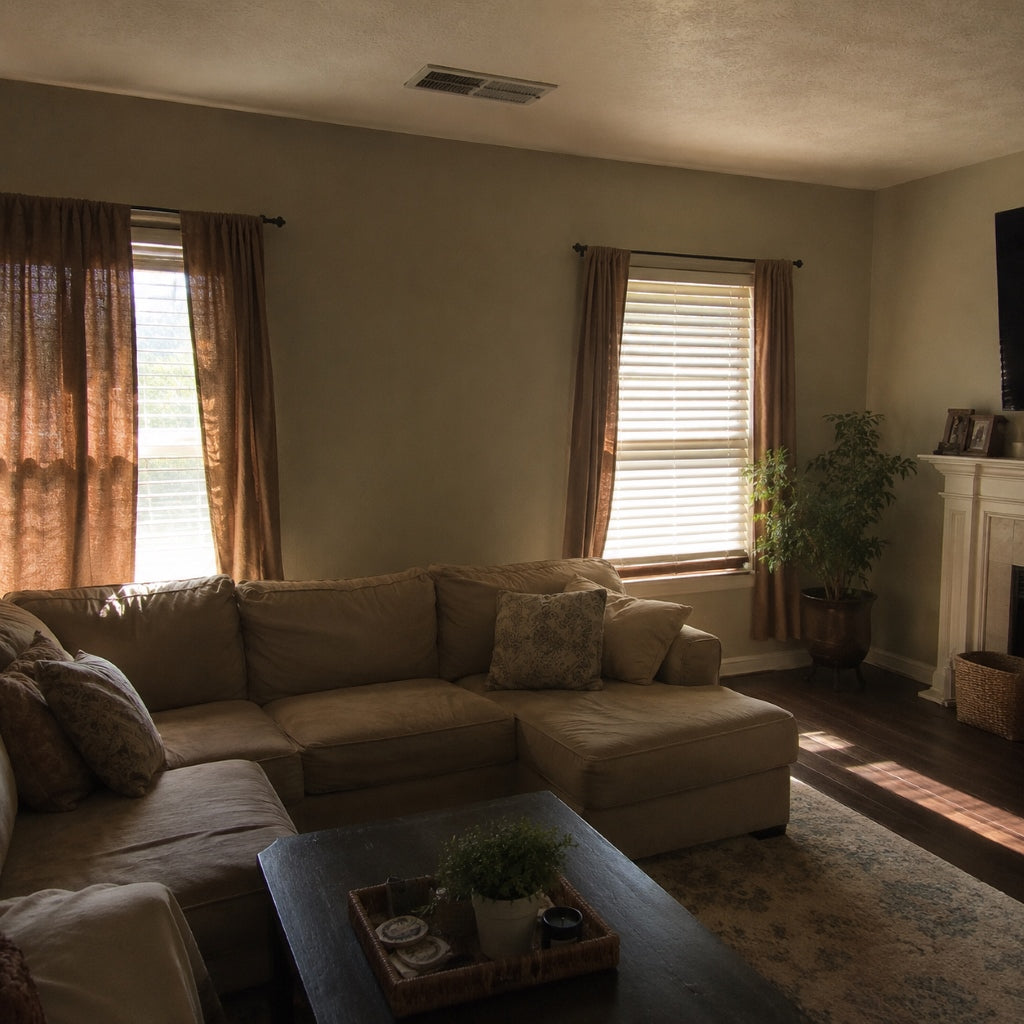
As temperatures rise during the summer months, most households rely heavily on their HVAC systems to stay comfortable indoors. While air conditioning helps regulate temperature, many homeowners overlook how HVAC air quality summer conditions can directly influence the air they breathe every day.
During summer, homes often remain sealed tightly to keep cool air inside. This can lead to several indoor air concerns, including:
- Trapped airborne particles
- Excess humidity
- Poor circulation
- Stale indoor air summer conditions
- Pollutants that continue recirculating through the home
Understanding how HVAC systems affect airflow and indoor pollutants is an important step toward improving overall indoor comfort during the hottest months of the year.
Why Summer HVAC Use Changes Indoor Air Quality
Your HVAC system constantly circulates air throughout your home. In summer, that circulation increases as air conditioners run for longer periods to manage heat and humidity.
When airflow is balanced and filters are properly maintained, HVAC systems can help reduce airborne particles. However, when systems become clogged, outdated, or poorly maintained, HVAC circulation issues can contribute to indoor air concerns such as:
- Dust buildup
- Excess moisture
- Poor airflow between rooms
- Stale indoor odors
- Smoke particles entering from outdoors
- Increased airborne allergens 4
Because homes stay closed longer during hot weather, pollutants often remain trapped indoors for extended periods.

How Poor HVAC Airflow Impacts Summer Comfort
One of the biggest contributors to HVAC air quality summer problems is restricted airflow. Airflow issues may develop from:
- Dirty HVAC filters
- Blocked vents
- Leaky ductwork
- Overworked air conditioning systems
- Improper system sizing
- Humidity buildup
When airflow becomes restricted, your HVAC system may struggle to circulate fresh air evenly throughout the home. This can create several noticeable comfort and air quality issues, including:
- Some rooms feeling stuffy
- Other rooms remaining overly cold
- Airborne particles continuing to move through the ventilation system
- Indoor air feeling less fresh, even when the AC is running
This is why many homeowners begin researching solutions like an air purifier for smoke or the best air purifier for smoke during summer wildfire season or periods of poor outdoor air quality.
Summer Humidity and Indoor Air Concerns
Humidity levels naturally rise during summer months. While HVAC systems remove some moisture from the air, excess humidity can still develop indoors, especially in areas such as:
- Basements
- Bathrooms
- Attics
- Poorly ventilated rooms
- Areas near vents, coils, or ductwork
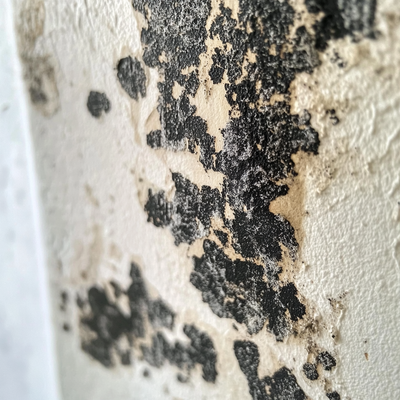
High humidity may contribute to conditions that support mold 1 and mildew 1 growth on surfaces and inside HVAC systems themselves. Moisture accumulation can also contribute to stale odors and reduced air circulation.
For many homeowners, these summer air quality concerns lead to questions about whether an air purifier can help with mold 1, especially when humid conditions and poor airflow make indoor spaces feel harder to manage.
That is why searches for phrases like “air purifier for mold 1,” “best air purifier for mold 1,” “air purifiers for mold 1,” and “mold air purifier” tend to become more common when homeowners are looking for ways to support cleaner indoor air.
While HVAC maintenance remains important, homeowners can also support cleaner indoor environments during humid summer conditions by focusing on:
- Improving air circulation
- Reducing excess indoor moisture
- Replacing HVAC filters regularly
- Using supplemental air purification
- Addressing moisture-prone areas before odors or visible growth appear
HVAC Filters vs Air Purifiers
Standard HVAC filters are designed primarily to capture larger airborne particles and help protect HVAC equipment. However, many systems are limited in their ability to address:
- Finer airborne pollutants
- Odors
- Smoke particles
- Contaminants that continue circulating throughout the home
- Air quality concerns in rooms with poor airflow
This is where supplemental purification systems can become part of a broader indoor air strategy.
Homeowners often ask questions like “do air purifiers help with mold 1?,” “can an air purifier help with mold 1?,” and “will an air purifier help with mold 1?” The answer depends on several factors, including:
- The source of the issue
- The type of purifier being used
- How well the HVAC system is maintained
- Whether moisture and airflow problems are also being addressed
Air purification systems can help reduce airborne particles and support improved circulation when used alongside properly maintained HVAC systems. Combining airflow management with advanced purification technologies may help improve overall indoor air conditions during the summer months.
Wildfire Smoke and Summer HVAC Challenges
Summer can also bring additional outdoor air quality concerns, especially in regions affected by wildfire smoke. Smoke particles can enter homes through:
- Doors
- Windows
- Attic spaces
- Gaps or leaks in the home
- HVAC systems
Once smoke enters the home, HVAC systems may continue circulating those particles throughout indoor spaces. As a result, many homeowners begin looking into options such as an “air purifier for smoke,” “smoke air purifier,” “best air purifier for smoke,” or “best air purifier for cigarette smoke” to help support cleaner indoor air during periods of poor outdoor air quality.
During smoke season, HVAC systems may benefit from:
- Upgraded filtration
- Frequent filter replacement
- Keeping windows and doors closed during poor outdoor air quality days
- Supplemental purification support to help manage airborne particles indoors
Signs Your HVAC System May Be Affecting Indoor Air
Several indicators may suggest your HVAC system is contributing to indoor air summer problems:
- Rooms feel stuffy despite air conditioning
- Increased dust buildup around vents
- Musty odors near HVAC returns
- Uneven cooling throughout the home
- Increased humidity indoors
- Allergy flare-ups during heavy AC use
- Lingering smoke odors indoors
If these issues persist, it may be time to inspect ductwork, replace filters, or evaluate additional purification solutions.
HVAC Maintenance Tips for Better Summer Air Quality
Routine HVAC maintenance plays a major role in supporting cleaner indoor air. Simple seasonal maintenance steps include:
- Replacing HVAC filters regularly
- Cleaning supply and return vents
- Inspecting ductwork for buildup
- Monitoring indoor humidity levels
- Scheduling professional HVAC inspections
- Keeping outdoor HVAC units clear of debris
- Checking drain lines for moisture buildup
Maintaining proper airflow can help your HVAC system operate more efficiently while supporting improved indoor comfort during summer.
The Role of the Puraclenz Photon During Summer HVAC Use
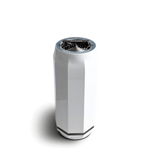
The Puraclenz Photon is designed to support cleaner indoor environments by combining advanced purification technologies with continuous air treatment. During periods of heavy HVAC use, the Photon can complement airflow systems by helping reduce airborne pollutants and surface contaminants commonly associated with summer indoor air concerns.
For homeowners dealing with HVAC circulation issues, excess humidity, seasonal smoke exposure, or airborne particles, the Photon offers additional purification support beyond traditional HVAC filtration alone.
The Photon is particularly useful during summer because it can help address:
- Airborne particles circulating through HVAC systems
- Indoor smoke buildup during wildfire season
- Odors associated with stagnant air
- Pollutants that accumulate in closed indoor environments
- Areas with poor airflow or inconsistent circulation
As many homeowners search for the best air purifier for mold 1 or an effective air purifier for smoke, combining HVAC maintenance with advanced purification systems may help support cleaner indoor air throughout the season.

Improving Indoor Air During Peak Summer Months
Summer HVAC usage places significant demands on indoor air systems. As homes remain closed longer and air conditioners run continuously, pollutants can accumulate and recirculate indoors.
To better manage indoor air summer challenges, homeowners can take a more proactive approach by focusing on:
- Maintaining HVAC systems
- Improving circulation
- Monitoring indoor humidity
- Replacing filters regularly
- Reducing sources of trapped indoor pollutants
- Incorporating advanced purification technologies like the Photon
By combining HVAC maintenance with improved airflow and supplemental purification, households can better support cleaner, more comfortable indoor air throughout the summer season.
Recommended products

Photon Air & Surface Purifier
$399.99
Recommended articles

