 Free Shipping
 2-Year Warranty
 30-Day Money Back Guarantee


Fall Allergies vs. Summer Allergies: What Changes as the Seasons Shift?
Summer and fall can both bring seasonal allergy challenges, but the allergens in the air often change as the seasons shift.
If your symptoms seemed to improve during late summer only to return as August turns into September, a new wave of outdoor pollen may be responsible. For many households, fall means the arrival of ragweed pollen, one of the most common seasonal allergy triggers.
Once pollen enters your home, it can settle on clothing, floors, furniture, bedding, and other surfaces. It can also continue circulating through indoor air.
Understanding the difference between summer allergies and fall allergies can help you make practical changes to your home. For households dealing with fall allergies indoors, regular cleaning and effective air filtration can be useful parts of an overall indoor air quality routine.

Summer vs. Fall Allergies: What's the Difference?
Seasonal allergy triggers change throughout the year.
During summer, grass pollen is often a major outdoor allergen. As fall approaches, ragweed pollen becomes more prominent in many regions.
That means someone who experienced fewer allergy symptoms during late summer may notice them returning as the season changes.
The important difference is not necessarily that something inside your home has changed. Instead, the outdoor environment has changed, and those outdoor particles can easily make their way indoors.
Common Summer Allergy Triggers
Summer can bring exposure to:
- Grass pollen
- Lingering tree pollen
- Outdoor dust
- Pet dander carried indoors
- Indoor dust and dust mite matter
Open windows and doors can allow outdoor particles to enter your home, while clothing, shoes, and pets can bring even more particles inside.
Common Fall Allergy Triggers
Fall introduces a different mix of seasonal particles.
Ragweed pollen is one of the most recognizable fall allergy triggers, and the pollen can travel considerable distances through outdoor air.
Once inside your home, pollen can remain airborne or settle onto:
- Carpets
- Upholstered furniture
- Bedding
- Curtains
- Floors
- Entryway surfaces
This can make the transition from summer to fall noticeable indoors, even when your windows are closed.
Why Ragweed Allergies Can Follow You Indoors
Ragweed does not need to grow near or inside your home for its pollen to become an indoor air quality concern.
Outdoor particles can enter when doors open, through ventilation pathways, or when people and pets carry pollen indoors on clothing, shoes, hair, and fur.
Once pollen settles inside, everyday activity can disturb those particles and send them back into the air.
That is why managing fall allergies indoors involves more than simply checking the outdoor pollen count. Your home can become a collection point for pollen and other particles brought in from outside.
Regular vacuuming, laundering frequently used fabrics, and keeping entryways clean can help reduce the amount of settled pollen inside your home.
Air filtration can provide another layer by capturing airborne particles as indoor air moves through the purifier.
How an Air Purifier for Allergies Can Help
If seasonal pollen is a recurring concern in your household, an air purifier for allergies can complement regular cleaning and other indoor air quality practices.
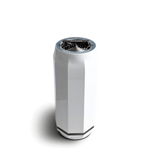
The Puraclenz Core Air & Surface Purifier combines:
- H13 True HEPA filtration
- PCO purification
- Activated carbon
- UV-C technology
The Core's H13 True HEPA filter traps 99.97% of dust, pollen, pet dander, qualifying allergens, and other particles down to 0.1 micron in size.
For seasonal allergies, the HEPA filtration component is especially relevant because pollen is a particulate pollutant that can be captured as air passes through the filter.
Puraclenz Core is also designed as an air and surface purifier, combining mechanical filtration with PCO purification technology to address additional indoor pollutants.
Is a HEPA Air Purifier for Allergies Different From a Standard Air Purifier?
Not every air purifier uses the same filtration and purification technologies.
A traditional HEPA air purifier primarily focuses on mechanically capturing airborne particles as air passes through the filter.
Puraclenz Core combines H13 True HEPA filtration with additional purification technologies, including PCO, activated carbon, and UV-C.
The Core's technologies include:
- PCO purification
- H13 True HEPA filtration
- Activated carbon
- UV-C
Together, these technologies are designed to address particles and other pollutants commonly found in indoor environments.
When comparing an allergy air purifier with HEPA filtration, it is worth considering not only the filter itself but also the other indoor air quality concerns you want the purifier to address.
What About Dust Mites and Fall Allergies?
Fall allergy concerns are not limited to outdoor pollen.
Indoor dust can contain dust mite matter, which is one reason some households look for a HEPA air purifier for dust mites.
The Core's H13 True HEPA filtration traps 99.97% of dust mite and cockroach matter allergens from the air.
However, filtration is only one part of managing indoor dust and allergens.
Dust mites are commonly associated with household materials such as bedding, carpeting, mattresses, and upholstered furniture. Regular laundering, vacuuming, and cleaning should remain important parts of your indoor maintenance routine.
How to Reduce Indoor Pollen During Fall
You do not need to completely change your daily routine when summer ends. A few consistent habits can help reduce the amount of outdoor pollen that accumulates indoors.
1. Create an Entryway Routine
Shoes and clothing can carry pollen and other outdoor particles into your home.
Consider keeping shoes near the entrance and changing clothes after spending extended periods outdoors, especially on high-pollen days.
These simple habits can help reduce the amount of outdoor material carried into bedrooms and living spaces.
2. Vacuum and Clean Floors Regularly
Pollen can settle onto hard floors and become embedded in carpeting.
Regular vacuuming and floor cleaning can help remove particles before everyday movement sends them back into the air.
Pay particular attention to high-traffic areas and entryways where outdoor particles are most likely to accumulate.
3. Wash Bedding and Frequently Used Fabrics
Bedding, blankets, curtains, and other fabrics can collect household dust and outdoor particles over time.
Washing frequently used fabrics regularly can help reduce accumulated pollen and dust inside your home.
4. Keep Your Air Purifier Running Consistently
An air purifier works as indoor air moves through its filtration system.
Running an air purifier consistently provides ongoing filtration rather than relying on occasional use when allergy symptoms become noticeable.
The Puraclenz Core is designed for continuous operation and includes an indicator that notifies users when the filter needs attention.
The Core filter should be replaced every 4–6 months, depending on the air quality of the installation space and assuming 24/7 continuous use.
5. Pay Attention to Outdoor Pollen Conditions
When ragweed pollen levels are high outdoors, reducing unnecessary indoor air exchange during peak periods may help limit the amount of pollen entering your home.
That does not mean keeping your home completely sealed.
Instead, consider how outdoor conditions, ventilation, cleaning, and air filtration can work together to support better indoor air quality.
Is Puraclenz Core the Best Air Purifier for Allergies?
There is no single best air purifier for allergies for every household.
The right purifier depends on several factors, including:
- Room size
- The pollutants you want to address
- Filtration technology
- Maintenance requirements
- How consistently the purifier will operate
For households specifically concerned about seasonal pollen, the Puraclenz Core includes H13 True HEPA filtration that traps 99.97% of pollen and other qualifying particles.
It also combines HEPA filtration with PCO purification, activated carbon, and UV-C technology for a broader indoor air purification approach.
That makes Core an option worth considering when comparing air purifiers for allergies, especially for households looking to address more than airborne particles alone.
Summer Allergies vs. Fall Allergies: The Bottom Line
The transition from summer to fall can introduce a different mix of seasonal allergens into your environment.
Grass pollen may become less prominent as ragweed pollen becomes more relevant, while outdoor particles can continue entering your home through people, pets, open doors, ventilation, and everyday activity.
If fall allergies indoors are a recurring concern, start by looking at how outdoor particles enter your home and where they may accumulate.
Regular cleaning, attention to entryways, washing frequently used fabrics, and effective air filtration can all contribute to a more consistent indoor air quality routine.
For households looking for an air purifier for allergies, the Puraclenz Core combines H13 True HEPA filtration with PCO purification, activated carbon, and UV-C technology. Its HEPA filtration traps pollen, dust, pet dander, and qualifying allergens, making it a practical option to consider as summer gives way to fall.

Frequently Asked Questions About Fall Allergies
Are fall allergies different from summer allergies?
Yes. Summer allergies commonly involve grass pollen and other warm-season outdoor particles, while fall often brings increased exposure to ragweed pollen in many regions.
What causes fall allergies?
Ragweed pollen is one of the most common fall allergy triggers. Outdoor dust and other seasonal particles may also contribute, while indoor allergens such as dust and dust mite matter remain present throughout the year.
Can pollen get inside your house when the windows are closed?
Yes. Outdoor pollen can enter through doors, ventilation pathways, clothing, shoes, and pets. Once indoors, pollen can settle on household surfaces or become airborne again through everyday activity.
Does HEPA filtration capture pollen?
Yes. The Core's H13 True HEPA filter traps 99.97% of pollen and other qualifying particles down to 0.1 micron in size.
Is an air purifier enough for fall allergies?
Air filtration is one part of an overall indoor air quality routine. Cleaning floors and fabrics, reducing the amount of pollen carried indoors, and paying attention to outdoor pollen conditions can complement air filtration.
Can a HEPA air purifier help with dust mite allergens?
Yes. HEPA filtration can capture airborne dust mite matter. The Core's H13 True HEPA filter traps 99.97% of dust mite and cockroach matter allergens from the air.
Recommended products

Core Air & Surface Purifier + HEPA
$649.99
Recommended articles

