 Free Shipping
 2-Year Warranty
 30-Day Money Back Guarantee


Fall Allergies Indoors: Why Symptoms Follow You Home
Fall allergies don't always stop when you go inside. Ragweed pollen can enter your home on clothes, shoes and pets. Dust and other allergens may also collect in carpets, furniture and bedding, leaving you sneezing or congested even with the windows closed.
The good news? You can take a few simple steps to reduce indoor allergens during fall. Understanding why your symptoms continue indoors can help you improve your home's air quality and create a more comfortable living space.

Why Are Fall Allergies Worse Indoors?
Even when you spend less time outside, fall allergens can still find their way into your home. Once inside, particles settle on surfaces and may become airborne again as you walk, clean or move around.
1. Ragweed Pollen Comes Inside With You
Ragweed is a common cause of seasonal allergies in many parts of the United States. Its pollen can cling to your clothing, hair, shoes and pet fur. When you open your windows during high-pollen days, you may also allow more pollen to enter your home.
Here's how you can reduce ragweed pollen indoors:
- Check your local pollen forecast before spending time outside.
- Change clothes after outdoor activities on high-pollen days.
- Shower and wash your hair after prolonged exposure.
- Wipe down your pets after walks when practical.
- Keep windows closed when pollen counts are high, while maintaining adequate ventilation.
2. Dust and Dust Mite Allergens Collect on Surfaces
As the weather cools, you may spend more time indoors with your windows closed. During this time, dust can collect in your rugs, upholstered furniture, curtains and bedding. Household dust may contain fibers, soil and dust mite allergens that can trigger symptoms if you're sensitive to them.
To reduce buildup, vacuum regularly with a well-filtered vacuum, wash your bedding according to its care instructions and wipe hard surfaces with a damp cloth. These cleaning methods help you capture dust instead of sending it back into the air.
3. Shoes, Coats and Pets Bring Outdoor Particles Home
Every time you enter your home, you may bring pollen, dirt and other outdoor particles inside. These particles can collect near your entryway and spread into your bedrooms and living areas as you move throughout the house.
Keep your shoes near the door, designate a place for coats and bags, and clean entryway floors frequently. These small changes can help you limit the amount of outdoor debris that enters your living spaces.
How to Reduce Fall Allergens in Your Home
You can improve your indoor air quality by combining regular cleaning, moisture control, proper ventilation and air filtration. Each approach addresses a different source of indoor allergens, helping you create a cleaner home environment.
Clean Bedrooms and Living Areas Regularly
Start with the rooms where you spend the most time. Vacuum your rugs and carpets, wash blankets and bedding, and wipe down shelves, window sills and furniture with a damp cloth. If pollen is a concern, avoid placing outdoor clothing on your bed or sofa.
Check HVAC Filters and Manage Humidity
Replace your HVAC filters according to the manufacturer's instructions. Choose a filter compatible with your system to help maintain proper airflow while capturing airborne particles.
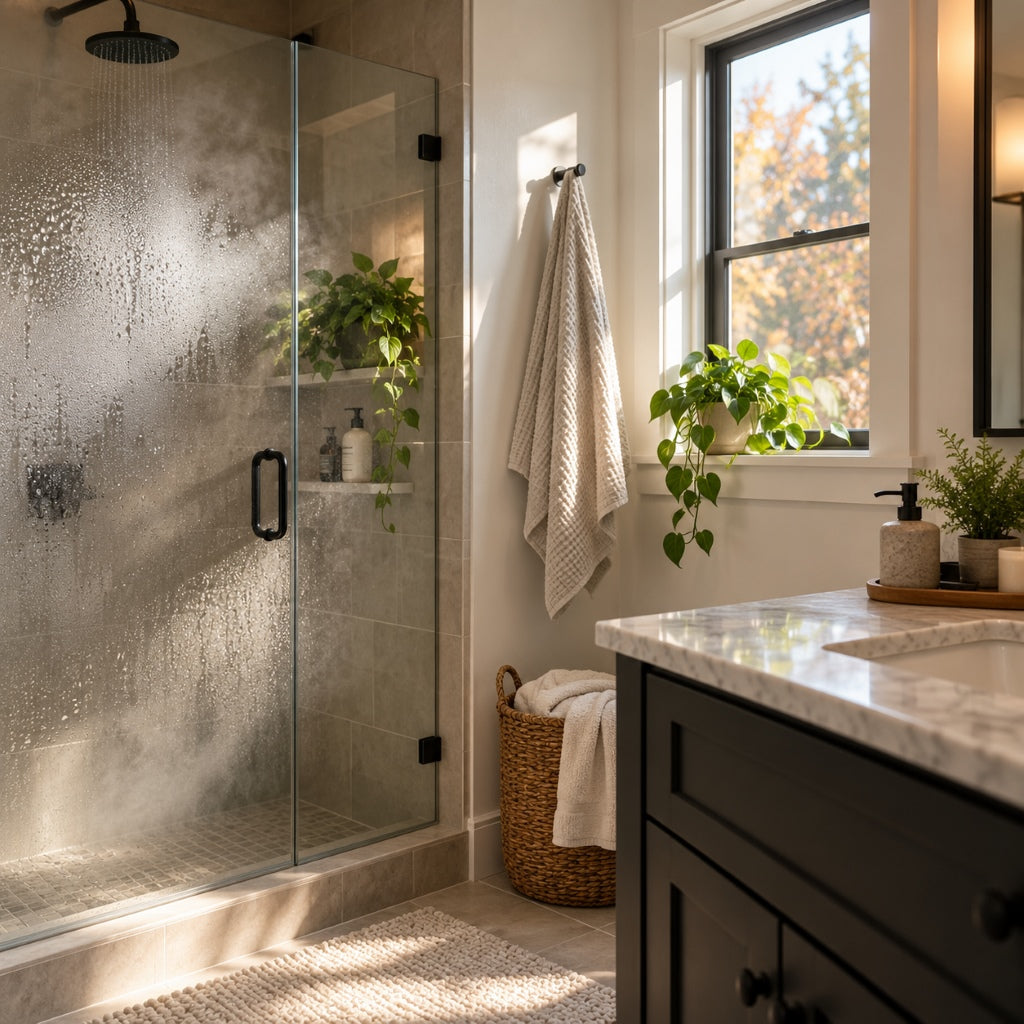
You can also use a hygrometer to monitor your home's humidity. Address leaks and moisture problems promptly, and use bathroom and kitchen exhaust fans when needed. When outdoor pollen levels are high, balance your need for fresh air with efforts to keep allergens outside.
Use a HEPA Air Purifier for Airborne Allergens
A HEPA air purifier can help you capture airborne pollen, dust and pet dander as air passes through its filter. When combined with regular cleaning and pollen-management habits, air filtration can help you reduce the amount of airborne particles circulating through your home.
Choose an air purifier that fits your room size, and compare its filtration performance, noise level and maintenance requirements. Keep in mind that your air purifier cannot remove allergens already settled on bedding, carpets or other surfaces.
How Puraclenz Core Supports Your Fall Indoor Air Routine
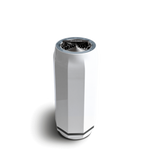
With Puraclenz Core, you get H13 True HEPA filtration, photocatalytic oxidation (PCO), activated carbon and UV-C technology in one air and surface purification system. These technologies work in different ways to help you address multiple types of indoor pollutants.
H13 True HEPA Filtration for Pollen and Dust
Core's H13 True HEPA filter is designed to capture 99.97% of specified particles down to 0.1 microns under stated test conditions. This filtration stage helps you capture airborne pollen, dust and pet dander as air passes through the filter.
PCO Technology for Additional Purification
With Core's PCO technology, you get an additional purification process designed to generate ions that interact with certain pollutants in your treated space, including on exposed surfaces.
Unlike HEPA filtration, which captures particles passing through a filter, PCO technology is designed to interact with certain pollutants beyond the filter itself. Actual performance depends on your home's layout, airflow and operating conditions.
Activated Carbon for Certain Odors
Core's activated carbon filtration helps adsorb certain gases and household odors as air passes through the system. This gives you an additional filtration stage alongside HEPA and PCO technology.
Understanding Core's Coverage
With Puraclenz Core, you get up to 3,000 square feet of PCO coverage and up to 1,575 square feet of HEPA filtration coverage. These coverage areas represent different purification functions and should not be treated as interchangeable.
Your actual results may vary depending on room layout, airflow and operating conditions. When choosing where to place your purifier, consider the areas where you spend the most time and the type of filtration you need.
Are Air Purifiers Worth It for Fall Allergies?
If you're dealing with airborne pollen, dust or pet dander, an appropriately sized air purifier with effective particle filtration can help reduce these allergens in your living space.
However, your air purifier cannot prevent pollen from entering through open doors or windows, and it cannot clean allergens that have already settled on furniture or bedding.
For a more complete approach, combine air purification with consistent cleaning, pollen-reduction habits and appropriate ventilation. These steps can help you manage your indoor environment, although air filtration is not a treatment for allergies.
What Should You Look for in a Quiet Air Purifier?
If you're buying an air purifier for your bedroom, home office or living room, consider these factors:
- Room size: Check coverage information for the filtration function you need.
- Noise: Compare published sound levels at different fan speeds.
- Filtration: Look for effective particle filtration, such as HEPA.
- Maintenance: Review filter replacement schedules and ongoing costs.
- Everyday use: Choose a unit you can operate and maintain consistently.
Your Fall Indoor Air Quality Checklist
Use this checklist to help reduce allergens and improve indoor air quality throughout your home.
- Check your local ragweed and pollen forecasts.
- Change clothes after outdoor activities on high-pollen days.
- Keep shoes and outdoor items near your entrance.
- Vacuum your carpets, rugs and upholstered furniture regularly.
- Wash bedding and blankets according to their care instructions.
- Use a damp cloth to dust hard surfaces.
- Check and replace your HVAC filters as recommended.
- Monitor indoor humidity and address moisture problems.
- Consider a HEPA air purifier that's appropriately sized for your room.
- Follow your air purifier's recommended maintenance schedule.

Frequently Asked Questions About Fall Allergies Indoors
Can ragweed pollen get inside your house?
Yes. Ragweed pollen can enter your home through open doors and windows or travel inside on your clothing, hair, shoes and pets. Keeping your entryways clean and changing clothes after spending time outside may help reduce pollen buildup.
Why are you sneezing indoors during fall?
If you're sneezing indoors during fall, you may be reacting to pollen brought inside, dust mite allergens, pet dander or other irritants. If your symptoms persist or become severe, a healthcare professional can help you identify possible causes.
Can a HEPA air purifier help with pollen?
Yes. A HEPA air purifier can capture airborne pollen as it passes through the filter. Choosing an appropriately sized unit can help you reduce airborne pollen levels, especially when you also clean settled allergens and limit pollen entering your home.
Should you open your windows during fall allergy season?
If outdoor pollen levels are high, opening your windows can allow more pollen into your home. Check your local pollen forecast and choose ventilation strategies that balance fresh air with allergen control.
Make Cleaner Indoor Air Part of Your Fall Routine
You don't have to let fall allergens take over your indoor environment. By managing the pollen you bring inside, cleaning regularly and filtering airborne particles, you can take practical steps toward cleaner indoor air.
Whether you're addressing ragweed pollen, household dust or other airborne particles, building a consistent indoor air quality routine can help you maintain a cleaner and more comfortable home throughout fall.
Recommended products

Core Air & Surface Purifier + HEPA
$649.99
Recommended articles

