 Free Shipping
 2-Year Warranty
 30-Day Money Back Guarantee



Dust Build-Up in Summer: What’s Causing It?

When most people think about indoor dust, winter usually comes to mind. Closed windows, heating systems, and more time spent indoors all seem like obvious reasons dust collects inside. But many homeowners notice just as much, or even more, dust during the summer months.
If your furniture looks dusty only a day after cleaning, or if your home’s surfaces need constant attention during hot weather, you’re not imagining it. Summer dust can increase because of outdoor particles, indoor activity, humidity changes, pet shedding, and frequent HVAC use.
Understanding why dust builds up in summer can help you reduce airborne particles, improve indoor air quality, and keep your home feeling cleaner throughout the season.
Why Does Dust Increase During Summer?
Several seasonal factors create the perfect conditions for more dust indoors. Unlike winter, summer often brings more outdoor particles into the home while air conditioning systems move those particles from room to room.
Common causes of summer dust include:
- Windows and doors being opened more frequently
- More foot traffic from outdoor activities
- Pollen and outdoor debris entering the home
- Air conditioning systems running throughout the day
- Dry weather after lawn mowing or landscaping
- Construction projects during warmer months
- Seasonal pet shedding
Rather than coming from one source, summer dust is usually a combination of indoor and outdoor particles that are constantly introduced, stirred up, and recirculated.

What Makes Up Household Dust?
Household dust is more than just dirt from outside. It is a mixture of many tiny materials that build up over time and settle on surfaces throughout your home.
Household dust may include:
- Dead skin cells
- Fabric fibers
- Pet dander
- Pollen
- Hair
- Outdoor soil particles
- Dust mite debris
- Mold 1 spores
- Fungal allergens 1
- Allergens 4
- Smoke residue
- Cooking particles
Many of these particles are extremely small. Some can stay suspended in the air before settling on furniture, floors, electronics, bedding, and other household surfaces.
Open Windows Bring More Than Fresh Air
Summer weather makes it tempting to open windows and let fresh air in. While outdoor air can feel refreshing, it can also bring airborne particles into your home.
Outdoor air may carry:
- Pollen
- Road dust
- Dry soil
- Grass clippings
- Tree debris
- Agricultural dust
- Construction dust
Once these particles enter your home, they can settle on surfaces or become part of the air circulating through your HVAC system.
Air Conditioning Can Keep Dust Moving
Air conditioners do not create dust, but they can keep existing dust in motion. As your HVAC system circulates air, it may move fine particles from room to room, especially if dust has built up in ductwork, carpets, upholstery, vents, or on surfaces.
Dirty air filters or neglected HVAC maintenance can also allow more particles to recirculate throughout the home.
Replacing HVAC filters regularly and scheduling routine maintenance can help reduce the amount of dust moving through your indoor air.
Humidity Plays an Important Role
Summer humidity can affect how dust behaves indoors.
Higher humidity may cause some particles to become heavier and settle faster. However, excess moisture can also create conditions where mold 1 and mildew 1 may grow in damp areas if humidity is not properly managed.
On the other hand, when air conditioning removes too much moisture from the air, certain fine particles may become easier to stir up and circulate.
Maintaining balanced indoor humidity can help create a more comfortable home while reducing excessive airborne particle movement.
Summer Activities Add More Dust
People naturally spend more time outdoors during summer. Every trip to the backyard, beach, hiking trail, sports field, or garden can bring additional dirt and debris inside.
Common contributors include:
- Shoes carrying soil indoors
- Sports equipment
- Beach sand
- Gardening supplies
- Pet paws
- Outdoor furniture cushions
Even small amounts of dirt and debris tracked inside each day can gradually build into noticeable household dust.
Pets Often Shed More During Warm Weather
Many pets shed more during seasonal temperature changes. Hair, dander, and outdoor debris carried in on fur can all become part of your home’s dust mixture.
Regular grooming, brushing pets outdoors, and cleaning pet bedding frequently can help reduce the amount of pet-related particles entering your indoor air.
Dust Can Collect Where You Don’t Expect
Visible dust on furniture is only part of the problem. Dust often collects in hidden areas and can be released back into the air when airflow changes.
Dust commonly accumulates in:
- Air vents
- Return ducts
- Ceiling fans
- Window coverings
- Mattresses
- Carpets
- Area rugs
- Upholstered furniture
- Electronics
When fans, vents, or air conditioning systems turn on, these hidden dust reservoirs can release particles back into the room.
Why Smaller Airborne Particles Matter
Not all dust settles quickly. Many indoor particles are microscopic and can remain airborne much longer than larger dust particles.
Smaller airborne particles may include:
- Fine dust
- Pollen
- Allergens 4
- Mold 1 spores
- Fungal allergens 1
- Bacteria 3
- Viruses 2
- Smoke particles
- Volatile organic compounds, or VOCs
Because these particles can stay suspended in the air, routine dusting alone may not be enough to manage overall indoor air quality.
How Advanced Air Purification Can Help
Vacuuming, dusting, and replacing HVAC filters are all important steps for reducing household dust. However, many smaller airborne particles can remain in the air long after cleaning.
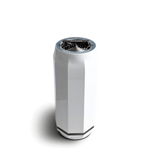
The Puraclenz Core is designed to continuously improve indoor air quality using a multi-stage purification approach.
The system combines:
- Medical-grade HEPA filtration to capture extremely small airborne particles
- Activated carbon filtration to help reduce odors and certain airborne chemicals
- Patented PCO, or Photo Catalytic Oxidation, purification technology that continuously reduces airborne pollutants throughout occupied spaces
Unlike filtration alone, the Core’s active PCO purification technology works beyond the filter by helping reduce airborne pollutants circulating throughout the room. This comprehensive approach helps address fine dust, allergens 4, mold 1 spores, bacteria 3, viruses 2, odors, VOCs, and other indoor contaminants that affect overall indoor air quality.

Additional Ways to Reduce Summer Dust
Combining consistent cleaning habits with continuous air purification can help reduce dust buildup throughout the summer.
- Replace HVAC filters regularly.
- Vacuum with a HEPA-equipped vacuum cleaner.
- Dust with microfiber cloths that capture particles instead of spreading them.
- Brush pets outdoors when possible.
- Remove shoes at the door.
- Wash bedding frequently.
- Clean ceiling fans, vents, and window coverings regularly.
- Maintain balanced indoor humidity.
- Use continuous air purification to reduce airborne particles between cleanings.
Enjoy a Cleaner Indoor Environment All Summer Long
Summer dust is usually caused by several seasonal factors working together, including open windows, increased outdoor activity, constant air conditioning, higher pollen levels, pet shedding, and changes in humidity.
While no home can be completely dust-free, understanding what causes dust in summer can help you take practical steps to reduce buildup and improve indoor air quality.
By combining routine cleaning, HVAC maintenance, humidity control, and advanced air purification with the Puraclenz Core, you can help reduce dust, odors, allergens 4, mold 1 spores, and other airborne pollutants throughout the busiest months of the year.
Recommended products

Core Air & Surface Purifier + HEPA
$649.99
Recommended articles

