 Free Shipping
 2-Year Warranty
 30-Day Money Back Guarantee


Cold and Flu Season: Can Air Purifiers Help Reduce Airborne Germs?

As temperatures drop and families spend more time indoors, maintaining good indoor air quality becomes increasingly important. During cold and flu season, shared indoor spaces can allow airborne germs and other pollutants to accumulate, especially when ventilation is limited.
While handwashing, regular cleaning, and proper ventilation remain essential, many homeowners are turning to air purifiers during cold and flu season to help reduce airborne contaminants.
But can an air purifier really help reduce airborne germs?
The answer depends on the technology. Some air purifiers use HEPA filtration to capture airborne particles, while others use advanced technologies such as photocatalytic oxidation (PCO) to address certain pollutants in the air and on exposed surfaces.
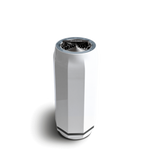
The Puraclenz Photon P3000X is one example of an air purifier that uses PCO technology to help address certain airborne and exposed-surface pollutants. Understanding how these technologies work can help you choose the right air purifier for your home.

How Do Airborne Germs Spread Indoors?
Respiratory viruses and other microorganisms can spread through particles released when an infected person breathes, talks, coughs, or sneezes.
Some respiratory particles remain suspended in the air, while larger droplets settle onto nearby surfaces.
In rooms with limited ventilation, airborne particles can accumulate and remain in circulation.
Common indoor areas where people spend extended periods together include:
- Living rooms and family gathering spaces
- Bedrooms and shared sleeping areas
- Home offices
- Kitchens and dining areas
- Classrooms and recreational spaces
During colder months, closed windows and increased indoor activity can make managing airborne pollutants more challenging.
Improving ventilation and reducing airborne contaminants can help create a cleaner indoor environment during cold and flu season.
Can an Air Purifier Help During Cold and Flu Season?
Yes, certain air purifiers can help reduce airborne particles, including particles that carry respiratory viruses.
However, their effectiveness depends on the purification technology, room conditions, airflow, and the specific contaminants being evaluated.
Two common air purification technologies are HEPA filtration and photocatalytic oxidation (PCO).
HEPA Filtration
High-Efficiency Particulate Air (HEPA) filters capture airborne particles as air passes through the filtration system.
HEPA filtration can help capture:
- Dust and pollen
- Pet dander
- Airborne mold spores
- Fine particulate matter
- Airborne particles that may contain viruses or bacteria
However, HEPA filters primarily address particles that pass through the filter. They do not directly treat contaminants on household surfaces.
Photocatalytic Oxidation (PCO) Technology
Photocatalytic oxidation uses a light-activated catalyst to initiate chemical reactions that can break down certain pollutants.
Some PCO air purification systems are designed to generate reactive species that interact with pollutants beyond the purifier itself.
Depending on the system and operating conditions, PCO technology may help address certain airborne contaminants and pollutants on exposed surfaces.
Unlike HEPA filtration, which physically captures airborne particles, PCO uses a chemical reaction-based purification process.
Both technologies offer different approaches to indoor air purification, and their effectiveness should be evaluated using independent testing for specific contaminants.
Understanding Airborne Bacteria and Viruses
Not all indoor microorganisms behave the same way.
Bacteria and viruses have different characteristics, and air purification technologies may perform differently depending on the microorganism being tested.
During cold and flu season, respiratory viruses receive particular attention because they can spread through airborne respiratory particles.
Although some air purifiers have demonstrated effectiveness against specific microorganisms in laboratory testing, results can vary based on the organism, environment, and testing conditions.
An air purifier should not replace recommended illness prevention practices, including proper ventilation, handwashing, and other appropriate health precautions.
Instead, air purification can complement a broader indoor air quality strategy.
When comparing air purifiers, look for independent laboratory results identifying the microorganisms tested and the conditions under which the results were obtained.
How Photon Uses PCO Air Purification Technology
Photon takes a different approach to traditional air purification.
Instead of relying exclusively on particle filtration, Photon uses patented Photocatalytic Oxidation (PCO) technology to generate ions designed to interact with certain pollutants in the air and on exposed surfaces.
This technology is designed to provide continuous air and exposed-surface purification throughout the treated space.
Photon offers coverage for spaces up to 3,000 square feet, making it an option for homeowners looking to manage indoor air quality across larger living areas.
Key Features of Photon P3000X
- Patented PCO Technology: Designed to address certain airborne and exposed-surface contaminants.
- Air and Surface Purification: Provides an approach that goes beyond traditional particle capture.
- Up to 3,000 Sq. Ft. Coverage: Designed for larger indoor spaces.
- Five Adjustable Fan Speeds: Allows users to adjust operation according to their preferences.
- Four-Hour Boost Mode: Provides an additional operating option when increased purification is desired.
- Dark Mode: Reduces light output during nighttime operation.
- Compact, Portable Design: Makes placement convenient in different areas of the home.
- Washable Pre-Filter: Helps capture larger dust particles.
Unlike conventional HEPA-based purifiers, Photon does not require routine HEPA filter replacements.
Its PCO purification approach makes it an alternative for homeowners interested in air and exposed-surface treatment.
What Does Independent Laboratory Testing Show?
Independent laboratory testing is an important consideration when evaluating an air purifier's performance.
Photon has undergone laboratory testing against specific microorganisms under controlled conditions.
According to laboratory results, Photon demonstrated:
- 99.4% reduction of MS2 bacteriophage in the air.
- 58% reduction of SARS-CoV-2 on surfaces.
- 99.7% reduction of methicillin-resistant Staphylococcus epidermidis in the air.
- 95% reduction of Staphylococcus aureus on surfaces.
These results provide insight into Photon's performance against the specific microorganisms evaluated during testing.
However, laboratory testing does not guarantee identical results in every home or against every type of airborne virus or bacteria.
The results also do not establish that Photon prevents colds, flu, COVID-19, or other respiratory illnesses.
For homeowners researching an air purifier for airborne germs, independent laboratory testing provides useful information when comparing purification technologies and understanding their capabilities.
5 Ways to Improve Indoor Air Quality During Cold and Flu Season
An air purifier can be one part of a broader approach to maintaining a cleaner indoor environment.
Here are five practical ways to improve indoor air quality during the colder months.
1. Improve Indoor Ventilation
Fresh outdoor air can help dilute airborne pollutants inside your home.
When outdoor conditions allow, open windows or use mechanical ventilation systems to improve airflow.
Proper ventilation can help reduce the buildup of airborne contaminants in enclosed spaces.
2. Maintain Regular Cleaning Habits
Routine cleaning helps manage dust, dirt, and contaminants that accumulate on household surfaces.
Pay particular attention to frequently touched areas, including:
- Countertops and tables
- Doorknobs and door handles
- Light switches
- Shared electronics
- Other frequently used household items
Cleaning and appropriate disinfection can complement air purification.
3. Monitor Indoor Humidity
Indoor humidity can affect overall air quality and comfort.
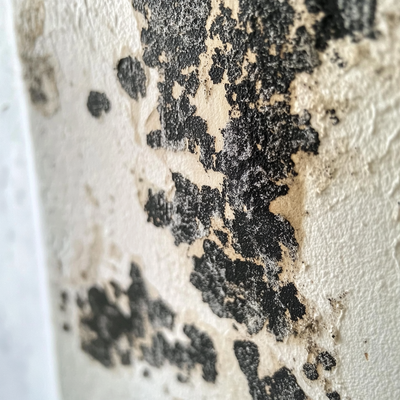
Excessive moisture may contribute to mold growth and other indoor air quality concerns.
Monitor humidity levels and address leaks, condensation, or damp areas promptly.
4. Consider Continuous Air Purification
An air purifier designed for continuous operation can help manage certain airborne pollutants throughout the day.
When selecting a purifier, consider:
- The size of your room or living space
- The purification technology
- Independent laboratory testing
- Maintenance requirements
- The specific pollutants the system is designed to address
Different purification technologies offer different benefits, so choose a system that aligns with your indoor air quality needs.
5. Focus on Frequently Used Rooms
Living rooms, bedrooms, home offices, and shared family spaces often experience the most daily activity.
These areas deserve particular attention when evaluating ventilation and air purification needs.
Position air purifiers according to the manufacturer's recommendations and avoid blocking airflow.
Why Consider Photon During Cold and Flu Season?
When shopping for an air purifier during cold and flu season, it is worth looking beyond traditional particle filtration.
Photon uses patented PCO technology designed to address certain pollutants in the air and on exposed surfaces.
Its independent laboratory testing against specific airborne and surface microorganisms offers additional information about its purification capabilities.
With coverage for up to 3,000 square feet, five adjustable fan speeds, continuous operation, and a compact design, Photon provides a distinct approach to indoor air purification.
For homeowners interested in improving indoor air quality throughout the colder months, Photon offers an option for managing certain airborne and surface pollutants as part of a broader household strategy.
Frequently Asked Questions
Can an air purifier help reduce airborne viruses?
Yes. Certain air purifiers can reduce airborne particles containing viruses or specific airborne viruses, depending on the technology and operating conditions.
Photon has demonstrated a reported 99.4% reduction of airborne MS2 bacteriophage during independent laboratory testing. However, this does not establish equivalent performance against every respiratory virus or demonstrate that the purifier prevents illness.
Do air purifiers help reduce airborne bacteria?
Some air purifiers can capture or reduce certain airborne bacteria.
According to independent laboratory testing, Photon demonstrated a 99.7% reduction of airborne methicillin-resistant Staphylococcus epidermidis under controlled conditions.
Performance may vary depending on the microorganism and environment.
Is PCO technology better than HEPA filtration?
PCO and HEPA filtration use different approaches to indoor air purification.
HEPA filters physically capture airborne particles, while PCO technology uses light-activated chemical reactions to address certain pollutants.
Neither technology is universally better. Effectiveness depends on the purifier, the target contaminant, and the conditions in which it operates.
Should I run my air purifier continuously during cold and flu season?
Many air purifiers are designed for continuous operation.
Running an air purifier consistently can help manage airborne pollutants as they are introduced into the indoor environment.
Follow the manufacturer's operating and maintenance instructions to support proper performance.
Can an air purifier prevent colds or the flu?
No air purifier should be relied upon to prevent colds or the flu.
Although certain technologies can reduce airborne contaminants, air purification does not replace recommended illness prevention measures.
Ventilation, handwashing, staying home when sick, and other appropriate health precautions remain important.
Can air purifiers remove germs from surfaces?
Most conventional air purifiers primarily capture airborne particles rather than treating household surfaces.
Certain PCO technologies are designed to address pollutants on exposed surfaces as well as in the air.
Photon has demonstrated reductions of specific surface microorganisms under controlled laboratory conditions. These results should not be interpreted as proof that it disinfects all household surfaces.

Make Indoor Air Quality a Priority This Cold and Flu Season
Cold and flu season is a reminder of the importance of maintaining cleaner indoor air, especially when families spend more time together indoors.
Improving ventilation, maintaining regular cleaning habits, and managing humidity can all contribute to a healthier indoor environment.
Choosing an air purifier with independently tested performance can provide an additional way to manage certain indoor pollutants.
Puraclenz Photon P3000X uses patented PCO technology to provide continuous air and exposed-surface purification, offering an alternative approach to traditional filtration systems.
Recommended products

Photon Air & Surface Purifier
$279.99
Recommended articles

