 Free Shipping
 2-Year Warranty
 30-Day Money Back Guarantee



Can Opening Windows Make Indoor Air Worse During Spring?
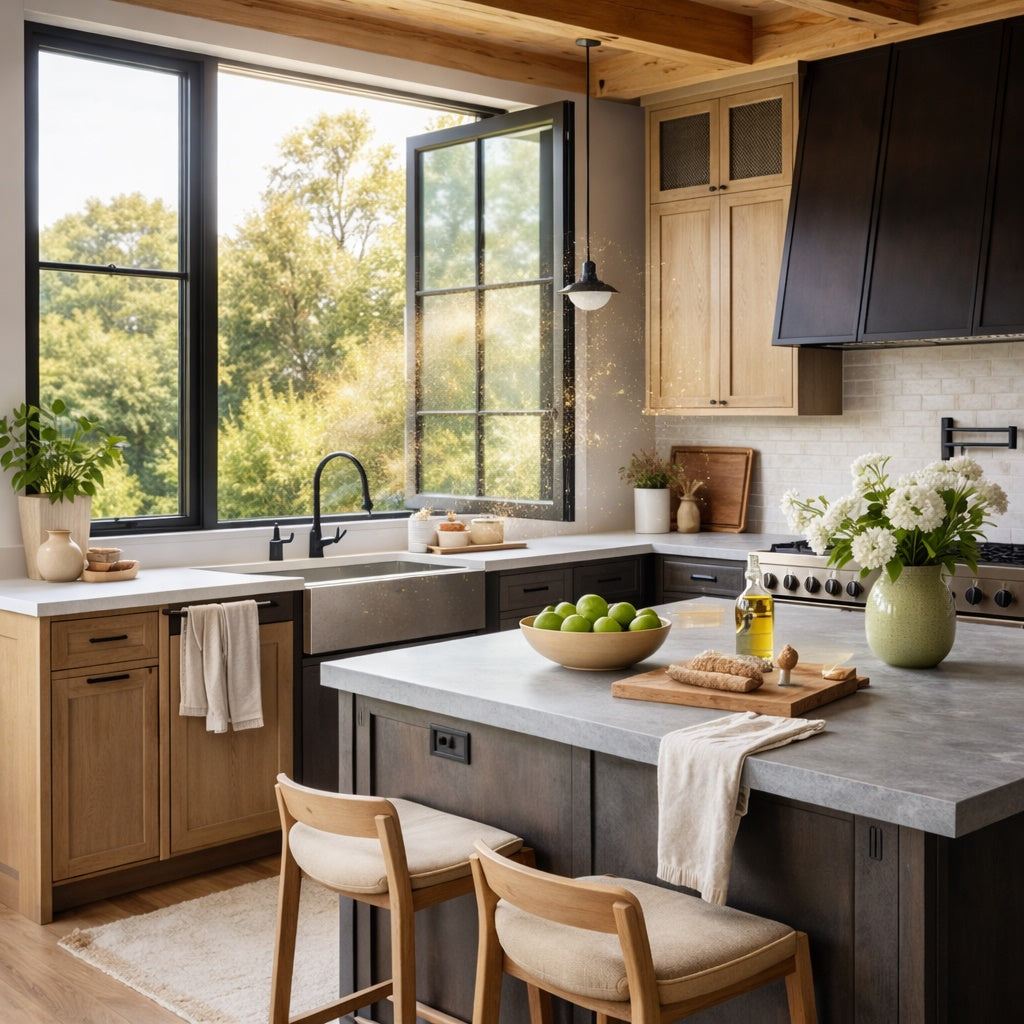
Opening your windows is often seen as the simplest way to improve indoor air. Fresh air flows in, stale air moves out, and your home feels more alive. But during certain times of the year, especially spring, that “fresh air” can bring more into your home than you expect.
Pollen, airborne particles, mold spores, and outdoor pollutants all travel freely through open windows. Within minutes, your indoor air can begin to reflect outdoor conditions, for better or worse.
The goal is not to avoid opening windows. It is to do it the right way.
The Reality of “Fresh Air” Indoors
When you open your windows, you are not just letting in fresh air. You are introducing everything currently in the outdoor environment.
During spring and allergy season, this often includes:
- High levels of pollen from trees, grass, and weeds
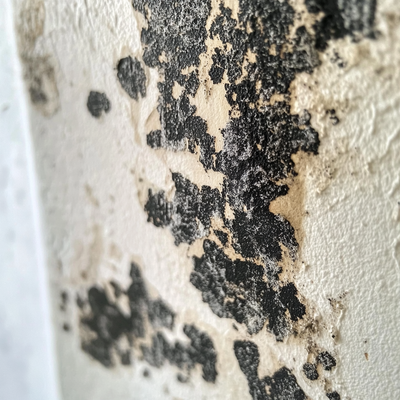
- Airborne mold spores and organic particles
- Dust and fine particulate matter
- Urban pollutants from traffic or nearby activity
These particles do not just pass through your home. They settle into fabrics, circulate through your air, and continue to impact your environment long after the windows are closed.

Why Opening Windows Alone Is Not Enough
Opening windows can dilute indoor air, but it does not remove or control what comes inside. It simply replaces one environment with another.
This is why many people notice increased allergy symptoms, irritation, or discomfort after opening their windows during peak pollen periods.
Without a way to actively manage incoming pollutants, ventilation alone becomes unpredictable.
The Better Approach: Open Windows with Active Air Treatment
The most effective strategy is not choosing between fresh air and clean air. It is combining both.
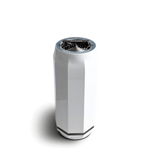
Opening your windows while running a system like the Puraclenz Core allows you to bring in fresh outdoor air while continuously reducing the pollutants that come with it.
This creates a controlled environment instead of an uncontrolled exchange.
How the Puraclenz Core Works in Real Time
The Core is designed for environments where air is constantly changing. This makes it especially effective when windows are open and outdoor air is entering your space.
Rather than waiting for particles to pass through a filter, the Core continuously treats both the air and surfaces throughout the room.
Its multi-stage system includes:
- H13 True HEPA filtration that captures 99.97% of particles down to 0.1 microns, including pollen and dust4
- Activated carbon filtration to help reduce odors and VOCs
- UV-C technology integrated into the system
- Photocatalytic oxidation (PCO) that actively works throughout the space, not just inside the unit
- Smart sensors that automatically adjust performance based on air quality
This combination allows the Core to respond dynamically as outdoor air enters your home, helping reduce pollen and airborne pollutants as they come in and after they settle.
As described on the Core product page, this approach is designed to go beyond traditional filtration by treating contaminants throughout the living environment, not just in the airflow.
Turning Open Windows into an Advantage
With the right system in place, opening your windows no longer has to be a tradeoff.
Instead of worrying about what you are bringing inside, you can:
- Enjoy fresh outdoor air and natural ventilation
- Reduce pollen and airborne irritants in real time
- Maintain more stable indoor air quality throughout the day
- Limit the buildup of particles on surfaces and in fabrics
This transforms window ventilation from a risk into a controlled and beneficial part of your indoor air strategy.
Best Practices for Spring and Allergy Season
To get the most out of both fresh air and clean air:
- Open windows during lower pollen times, such as early morning or after rainfall
- Run your Core continuously while windows are open
- Allow the system to adjust automatically to changing air conditions
- Limit prolonged window exposure during peak pollen or poor AQI days
This approach gives you flexibility without sacrificing air quality.

A Smarter Way to Think About Indoor Air
Improving indoor air is no longer about sealing your home off from the outside or relying on occasional ventilation.
It is about creating a system that works with your environment in real time.
By combining open windows with continuous air and surface treatment, you create a more balanced, responsive, and reliable indoor environment.
Final Thoughts
Opening your windows should feel like a benefit, not a risk.
When paired with the Puraclenz Core, you can enjoy fresh air while actively reducing the pollen, dust, and pollutants that come with it.
This is what modern indoor air management looks like: not choosing between fresh air and clean air, but having both at the same time.
Recommended products

Core Air & Surface Purifier + HEPA
$649.99
Recommended articles

