 Free Shipping
 2-Year Warranty
 30-Day Money Back Guarantee



Can Mold Spread Through Your Air Conditioning System?

Your air conditioning system does more than cool your home. During warm, humid weather, it continuously moves air through the HVAC system and back into your living spaces. If excess moisture develops around coils, drain pans, condensate lines, or ductwork, those damp areas may create conditions where mold 1 can grow.
So, can mold 1 spread through your air conditioning system?
Yes. If mold 1 develops inside or around HVAC components, airborne spores and fragments may move with circulating air and reach other areas of your home. Understanding how mold 1 develops in HVAC systems and how to address both moisture and airborne pollutants can help you create a more complete indoor air quality strategy.
How Mold 1 Can Develop in an Air Conditioning System
Air conditioners naturally produce condensation. As warm indoor air passes over the cold evaporator coil, moisture condenses and is collected in a drain pan before flowing through the condensate line.
Problems can begin when that moisture does not drain properly or collects where it should not.
Common areas where HVAC mold 1 may develop include:
- Evaporator coils
- Drain pans
- Condensate lines
- Ductwork
- Duct insulation
- Other areas where moisture and organic material accumulate
Dark, damp areas inside an HVAC system can provide favorable conditions for growth. Once established, mold 1 spores or fragments may become airborne and move with the air circulating through the system.

Can Mold 1 Travel Through Air Ducts?
Yes. When mold 1 is present inside or near an HVAC system, airborne particles may travel with conditioned air through connected ductwork.
That does not mean every musty odor coming from an air conditioner confirms mold 1 inside the ducts. Musty smells can have several possible causes. However, persistent odors, visible growth, water damage, or recurring moisture around HVAC equipment are good reasons to investigate further.
Your HVAC system continually circulates air from the air handler through supply ducts and into different rooms before returning it to the system. While this circulation helps maintain indoor comfort, it can also distribute airborne pollutants from a localized source.
What Causes Mold 1 in HVAC Systems?
Moisture is one of the most important factors behind HVAC mold 1 concerns. Several conditions can increase the likelihood of persistent dampness.
High Indoor Humidity
High humidity increases the amount of moisture available around HVAC components and other indoor surfaces. Keeping indoor humidity under control can help reduce conditions that support mold 1 growth.
Condensation
Condensation naturally forms on cold evaporator coils. If that moisture does not drain properly, surrounding components may remain damp for extended periods.
Drainage Problems
A clogged condensate line or poorly draining pan can cause water to collect around the air handler, creating persistent moisture where it should normally remain dry.
Damp Ductwork
Duct interiors are generally designed to remain dry. If moisture enters the ductwork or condensation develops inside it, conditions may become more favorable for mold 1 growth.
Poor Airflow
Restricted airflow can contribute to uneven temperatures and moisture problems within an HVAC system. Dirty filters, blocked vents, and other maintenance issues can reduce airflow and affect how efficiently the system manages temperature and humidity.
Signs of Mold 1 in Your Air Conditioning System
No single symptom can confirm mold 1 inside an HVAC system, but several warning signs may justify closer inspection.
Watch for:
- A persistent musty odor when the air conditioner runs
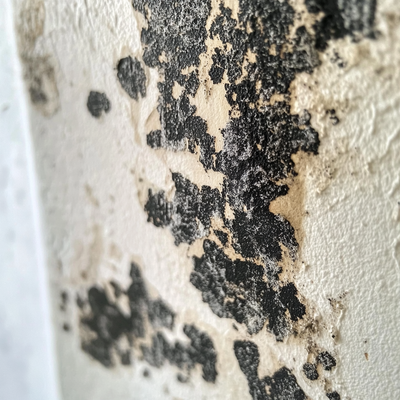
- Visible discoloration or growth around HVAC components
- Water leaks or excessive condensation
- Recurring moisture near the air handler
- Damp or damaged duct insulation
- Musty odors that become stronger after the HVAC system operates
- A history of water damage near HVAC equipment
If you suspect significant mold 1 growth inside ductwork or HVAC equipment, professional inspection and appropriate remediation may be necessary. An air purifier cannot replace correcting an active moisture problem or physically removing established growth.
Can an Air Purifier Help with Mold 1?
An air purifier can be a useful part of an indoor air quality strategy when mold 1 spores or other airborne pollutants are a concern, but its effectiveness depends on the purification technology used.
Traditional air purifiers that use filters capture airborne particles as air passes through the filter. This approach can help reduce particles that enter the purifier, but it primarily treats the air that moves directly through the unit.
Active purification technologies take a different approach.
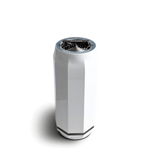
Puraclenz Photon uses photocatalytic oxidation (PCO) technology to generate ions that interact with pollutants in the surrounding environment. According to Puraclenz, Photon is designed for both air and surface purification and can help reduce mold 1 spores and lingering odors.
For homeowners comparing air purifiers for mold 1, understanding the difference between filtration and active purification can help you choose the technology that best fits your indoor air quality needs.
How Puraclenz Photon Supports Mold 1 Concerns From HVAC Systems
The Photon is designed to provide active air and surface purification throughout occupied indoor spaces.
Its PCO technology generates ions that move beyond the purifier itself and interact with pollutants in the surrounding environment. This approach can complement HVAC maintenance by helping address airborne pollutants circulating through bedrooms, living areas, basements, and other spaces.
Photon is designed for spaces up to 3,000 square feet and can operate continuously. It also includes five fan speeds and a four-hour Boost Mode when additional purification is desired.
Independent laboratory testing cited by Puraclenz found Photon was 95.1% effective at reducing Aspergillus brasiliensis in the air and 99.75% effective at reducing Candida albicans from surfaces. These are laboratory findings and should not be interpreted as a guarantee of results in an individual home.
Air Purification vs. HVAC Mold 1 Remediation
An air purifier should complement HVAC maintenance rather than replace it.
If excess moisture is contributing to mold 1 growth, addressing the source remains essential. Depending on your situation, that may include:
- Inspecting the HVAC system for excess moisture.
- Checking drain pans and condensate lines for clogs or standing water.
- Replacing or cleaning HVAC filters according to manufacturer recommendations.
- Inspecting accessible ductwork and insulation.
- Maintaining appropriate indoor humidity levels.
- Repairing leaks or other sources of water intrusion.
- Using supplemental air purification in occupied spaces.
This layered approach helps address both the conditions that allow mold 1 to grow and the airborne pollutants that may circulate through your home.
Do Air Purifiers Help with Mold 1 From HVAC Systems?
Air purifiers can provide supplemental purification when airborne pollutants originate from or circulate through an HVAC system. However, they do not replace HVAC inspection, moisture correction, or mold 1 remediation.
If an HVAC component contains established growth or has an ongoing moisture problem, that source needs to be addressed separately.
The Photon operates within the room rather than inside the ductwork. This allows it to provide supplemental air and surface purification while you address HVAC maintenance and moisture concerns at the source.
Will an Air Purifier Help Reduce Mold 1 Spores?
Depending on the technology and operating conditions, an air purifier may help reduce airborne pollutants, including mold 1 spores.
Photon's PCO technology is designed to inactivate pollutants in the air and on exposed surfaces. Puraclenz reports independent laboratory testing demonstrating reductions of specific organisms under controlled test conditions.
However, no air purifier should be considered a complete mold 1 removal solution. Established growth still requires physical removal, and the moisture conditions supporting that growth must also be corrected.
How to Choose an Air Purifier for Mold 1 Concerns
If you're comparing air purifiers for mold 1, look beyond marketing claims and consider how the purifier fits into your overall indoor air quality strategy.
Important factors include:
- Purification technology
- Whether the system addresses air, surfaces, or both
- Recommended coverage area
- Ability to operate continuously
- Filter requirements
- Maintenance requirements
- Independent laboratory testing
- How the purifier complements your existing HVAC system
For homes where HVAC circulation is a concern, continuous purification in occupied spaces can complement regular HVAC maintenance and moisture management.
Why Consider Puraclenz Photon for Mold 1 Concerns from HVAC Systems?
Photon's active PCO technology gives it a different role from a traditional air purifier that relies on filtration.
Rather than relying exclusively on air being pulled through a filter, Photon generates ions that interact with pollutants throughout the surrounding space. Puraclenz states that Photon is designed to reduce mold 1 spores, fungal allergens 1, and lingering odors.
Its portable design also allows you to position the purifier where indoor air concerns are greatest, including bedrooms, living rooms, basements, and other occupied areas.
For homeowners concerned about mold 1 associated with HVAC circulation, Photon can serve as a supplemental solution alongside HVAC maintenance, moisture control, and appropriate remediation.

Final Thoughts: Can Mold 1 Spread Through Your Air Conditioning System?
Yes. Mold 1 can become an HVAC concern when excess moisture allows growth to develop around components such as coils, drain pans, condensate lines, or ductwork. If spores or fragments become airborne, normal HVAC circulation may carry them into connected living spaces.
The best approach is to address the problem from multiple angles. HVAC maintenance, moisture management, inspection, and appropriate remediation can help correct the source, while supplemental air purification can help support the surrounding indoor environment.
If you're looking for an air purifier for mold 1 concerns, Puraclenz Photon provides an active PCO approach designed for continuous air and surface purification. Its role is complementary. It can help reduce airborne and surface pollutants while you address underlying HVAC and moisture conditions.
Recommended products

Photon Air & Surface Purifier
$399.99
Recommended articles

