 Free Shipping
 2-Year Warranty
 30-Day Money Back Guarantee



Air Purifiers for Mold Spores: Airborne vs Exposed Surface Contamination

When homeowners search for air purifiers for mold 1, they are often thinking about what is floating in the air. Mold 1 spores are microscopic, lightweight and easily carried through indoor environments. However, airborne spores are only part of the contamination pathway.
In real homes, mold 1 spores move through the air and eventually settle onto exposed surfaces, where they can remain long after they are no longer airborne. Understanding the difference between airborne and exposed surface contamination helps explain why some purification approaches perform better than others.
How Mold Spores Move Through Indoor Air
Mold 1 spores are released into indoor air from damp materials, hidden growth areas, or contaminated spaces. Once airborne, spores travel with everyday airflow created by HVAC systems, foot traffic, doorways and temperature differences.
Because spores are extremely small, they can remain suspended for extended periods. This allows airborne mold 1 spores to circulate well beyond the original source area.
This behavior is why many homeowners begin searching for the best air purifiers for mold 1 to help manage spores moving throughout the home.

What Happens When Mold Spores Settle on Surfaces
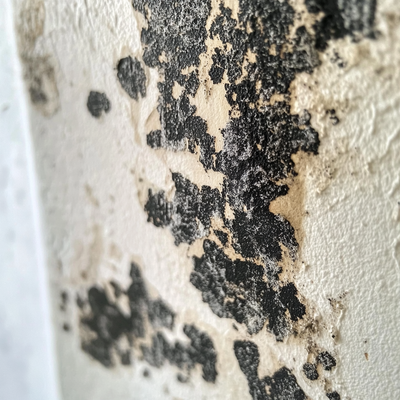
Airborne spores do not remain in the air indefinitely. Over time, they settle onto walls, ceilings, floors, furniture, fabrics and other surfaces. Once settled, spores may remain inactive or become more noticeable when indoor humidity levels increase.
Surface contamination is often overlooked because it is not always visible. Mold 1 spores on surfaces can contribute to musty odors and recurring indoor air concerns even when airborne levels appear reduced.
This surface behavior explains why air filtration alone may not fully address mold 1 challenges in lived in environments.
Airborne vs Surface Mold: Why the Difference Matters
Airborne contamination refers to spores actively circulating through indoor air. Surface contamination refers to spores that have settled and may later become airborne again due to movement, cleaning, or changes in humidity.
An air purifier mold solution that only captures particles inside a filter cabinet addresses spores at one moment in time. It does not directly influence spores already distributed throughout the room or resting on surfaces.
This distinction is important when evaluating air purifiers for mold 1 in real homes rather than controlled environments.
How Air Purifiers Interact with Mold Spores
Traditional air purification relies on drawing air into a unit, capturing particles and releasing filtered air back into the room. This approach can help reduce airborne mold 1 spores that pass through the system.
However, spores often settle on surfaces before reaching the intake, especially in rooms with furniture, fabric, and disrupted airflow. In these situations, purification that extends beyond the unit itself becomes more relevant.
This is why many homeowners exploring the best air purifiers for mold 1 look beyond passive filtration alone.
Addressing Both Air and Surface Contamination with Puraclenz
Puraclenz systems are designed to operate in lived in environments where mold 1 spores move through the air and settle onto surfaces. Using PCO purification, these systems generate ions that move into the surrounding space.
This approach allows purification to interact with airborne spores while also supporting cleaner surfaces throughout the room.
Puraclenz Core for Ongoing Mold Spore Management
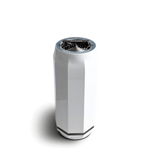
Core is designed for occupied spaces such as bedrooms, living rooms, kitchens and offices. It combines filtration, UV C treatment, and PCO purification to address mold 1 spores in everyday living environments.
In real homes, Core is often used as an air purifier mold solution that runs continuously. The ions released into the space help reduce airborne spores while supporting surface cleanliness over time.
Because purification extends into the room, Core remains effective even when airflow is interrupted by furniture or daily activity.
Puraclenz Photon for Higher Mold Spore Load Areas
Photon is commonly used in areas with higher mold 1 spore concentration such as basements, crawl spaces, remediation zones, or unoccupied rooms. It delivers higher output purification to address airborne spores more aggressively.
Photon is often deployed short term to reduce heavier contamination before transitioning back to Core for ongoing support in occupied spaces.
Why Real Homes Require a Broader Approach
Laboratory testing measures airborne spores under controlled airflow conditions. Real homes are far more complex.
- Air moves unpredictably between rooms
- Mold 1 spores settle on surfaces before reaching filters
- Humidity can reactivate surface contamination
- Purification must operate continuously without isolating spaces
These realities make it important to consider both airborne and surface contamination when selecting air purifiers for mold 1.

Choosing the Right Air Purifier for Mold Spores
For occupied living areas, Core provides continuous support for managing airborne and surface mold 1 spores without disrupting daily life.
For areas with heavier contamination or limited occupancy, Photon delivers higher output purification to address concentrated spore activity.
Many homes benefit from using both systems together as part of a practical, real-world mold 1 management strategy.
Final Thoughts on Mold Spore Behavior
Mold 1 spores do not exist only in the air or only on surfaces. They transition between these states depending on airflow, activity, and humidity.
Understanding this dynamic helps clarify why effective purification should address the entire space, not just what passes through a filter. By focusing on how spores behave in real homes, air purifiers for mold 1 can be evaluated based on their ability to manage both
Recommended products

Photon Air & Surface Purifier
$399.99

Core Air & Surface Purifier + HEPA
$649.99
Recommended articles

