 Free Shipping
 2-Year Warranty
 30-Day Money Back Guarantee


Can Air Purifiers Help Reduce Airborne Germs During Back-to-School Season?

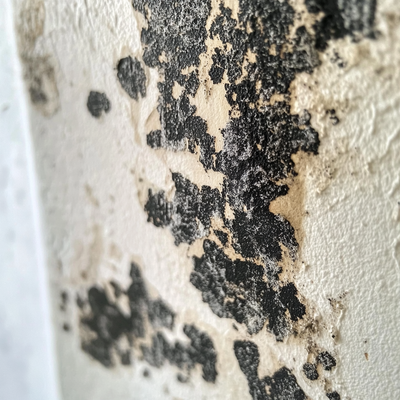
Back-to-school season brings new routines, busy schedules, and more time spent in shared indoor spaces. Classrooms, school buses, sports, and after-school activities can increase children’s exposure to airborne pollutants, including viruses2, bacteria3, dust, pollen, pet dander, and mold1 spores.
Children may then carry some of these contaminants home on their clothing, backpacks, shoes, and personal belongings. Once indoors, particles can circulate through the air, particularly in rooms with limited ventilation.
No air purifier can eliminate every contaminant or replace handwashing, cleaning, ventilation, and other healthy habits. However, the right air purification technology can help reduce airborne pollutants and support cleaner indoor air during the school year.
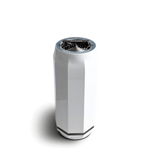
The Puralcenz Photon uses proprietary Photocatalytic Oxidation (PCO) technology to continuously reduce airborne pollutants throughout indoor spaces rather than relying solely on particles passing through a filter.
Why Airborne Germ Exposure Can Increase During the School Year
Schools bring large groups of students and staff together in enclosed spaces for several hours each day. Talking, coughing, sneezing, movement, and normal classroom activities can release microscopic particles into the air.
Some contaminants may also travel home on frequently handled items, including:
- Backpacks and lunch boxes
- Clothing and shoes
- Sports equipment
- Books and school supplies
- Phones and other personal devices
After school, family members often gather in bedrooms, kitchens, homework areas, and living rooms. Without adequate ventilation or air purification, airborne contaminants may remain suspended and circulate through these shared spaces.

Common Indoor Air Pollutants During Back-to-School Season
Indoor air can contain a mixture of biological particles, allergens, gases, and odors. Common pollutants found in homes during the school year may include:
- Airborne virus2 particles
- Airborne bacteria3
- Dust and fine particulate matter
- Seasonal allergens4, including pollen
- Pet dander
- Mold1 spores
- Smoke particles
- Volatile organic compounds, commonly called VOCs
Improving ventilation, cleaning frequently touched surfaces, and using an appropriate air purifier can all contribute to a cleaner indoor environment.
Can an Air Purifier Help Reduce Airborne Germs?
An air purifier may help reduce airborne germs, but its effectiveness depends on the technology, room size, placement, airflow, and how consistently the unit operates.
Traditional filtered air purifiers pull room air through a filter. Depending on the filter type and particle size, airborne contaminants may be captured as the air passes through the unit.
Active air purification technologies work differently. Photocatalytic Oxidation technology produces low concentrations of oxidizers that move through the surrounding air and interact with pollutants beyond the purifier itself.
This whole-room approach allows Puraclenz Photon to continuously reduce airborne contaminants throughout occupied indoor spaces.
How Puraclenz Photon Helps Reduce Airborne Viruses2
Families searching for an air purifier for viruses are often looking for a way to supplement their existing cleaning, ventilation, and hygiene practices
The Photon uses proprietary PCO technology that has been independently tested for reducing airborne contaminants, including virus2 particles. The system continuously purifies the air while operating, making it suitable for frequently occupied areas of the home.
Potential placement areas include:
- Family rooms
- Children’s bedrooms
- Homework and study areas
- Playrooms
- Home offices
- Open living spaces
For best results, choose a purifier designed for the size and layout of the intended space and follow the manufacturer’s operating and placement instructions.
How Air Purifiers Can Help Reduce Airborne Bacteria3
Airborne bacteria3 can circulate through shared indoor environments along with dust, allergens, and other microscopic particles. Many homeowners therefore look for an air purifier for bacteria as part of a broader indoor air quality strategy.
HEPA filtration can capture many particles that enter the purifier. Puraclenz PCO technology provides an additional active approach by treating pollutants in the surrounding indoor environment rather than working only at the filter surface.
Puraclenz Photon is designed to continuously reduce airborne bacteria3, viruses2, VOCs, odors, and other common indoor pollutants.
Why Indoor Air Quality Matters Beyond Cold and Flu Season
Back-to-school season often overlaps with late-summer allergens, changing weather, closed windows, and increased time indoors. These conditions may contribute to the buildup of pollutants throughout the home.
In addition to helping reduce airborne virus2 and bacteria3, The Photon can help reduce:
- Cooking and household odors
- Pet odors
- Smoke particles
- VOCs from cleaners, paints, furniture, and school supplies
- Seasonal allergens4
- Mold1 spores
These benefits make air purification useful throughout the year, not only when children return to school.
Tips for Creating Cleaner Air at Home During the School Year
An air purifier works best as one part of a complete indoor air quality routine. Families can also take the following steps:
- Run the air purifier consistently in frequently occupied rooms.
- Place the unit where airflow will not be blocked by walls or furniture.
- Open windows when outdoor conditions permit.
- Change HVAC filters according to the manufacturer’s schedule.
- Vacuum and dust regularly to reduce settled particles.
- Wash hands after returning home from school or activities.
- Clean frequently handled items such as phones, lunch boxes, and backpacks.
- Address moisture and water leaks promptly to discourage mold growth.

Choosing an Air Purifier for Back-to-School Season
When comparing air purifiers, consider more than a single feature or filter type. Important factors include:
- The size of the room or treatment area
- The types of pollutants you want to reduce
- Whether the technology is independently tested
- Noise levels in bedrooms and study areas
- Maintenance and replacement-part requirements
- Whether the purifier can operate safely in occupied spaces
Puraclenz Photon is ozone-free and designed for continuous operation in occupied indoor environments. Its active PCO technology helps reduce pollutants in both the air and on exposed surfaces throughout the treatment area.
A Cleaner Home for Back-to-School Season
Returning to school can increase a family’s exposure to airborne germs, allergens, and other indoor pollutants. Although an air purifier cannot prevent every illness or replace good hygiene, it can help improve indoor air quality and reduce contaminants circulating through the home.
By combining consistent air purification with ventilation, routine cleaning, moisture control, and healthy habits, families can create a cleaner and more comfortable indoor environment throughout the school year.
Recommended products

Photon Air & Surface Purifier
$399.99
Recommended articles

