 Free Shipping
 2-Year Warranty
 30-Day Money Back Guarantee



Can Air Conditioning Spread Mold and Bacteria?
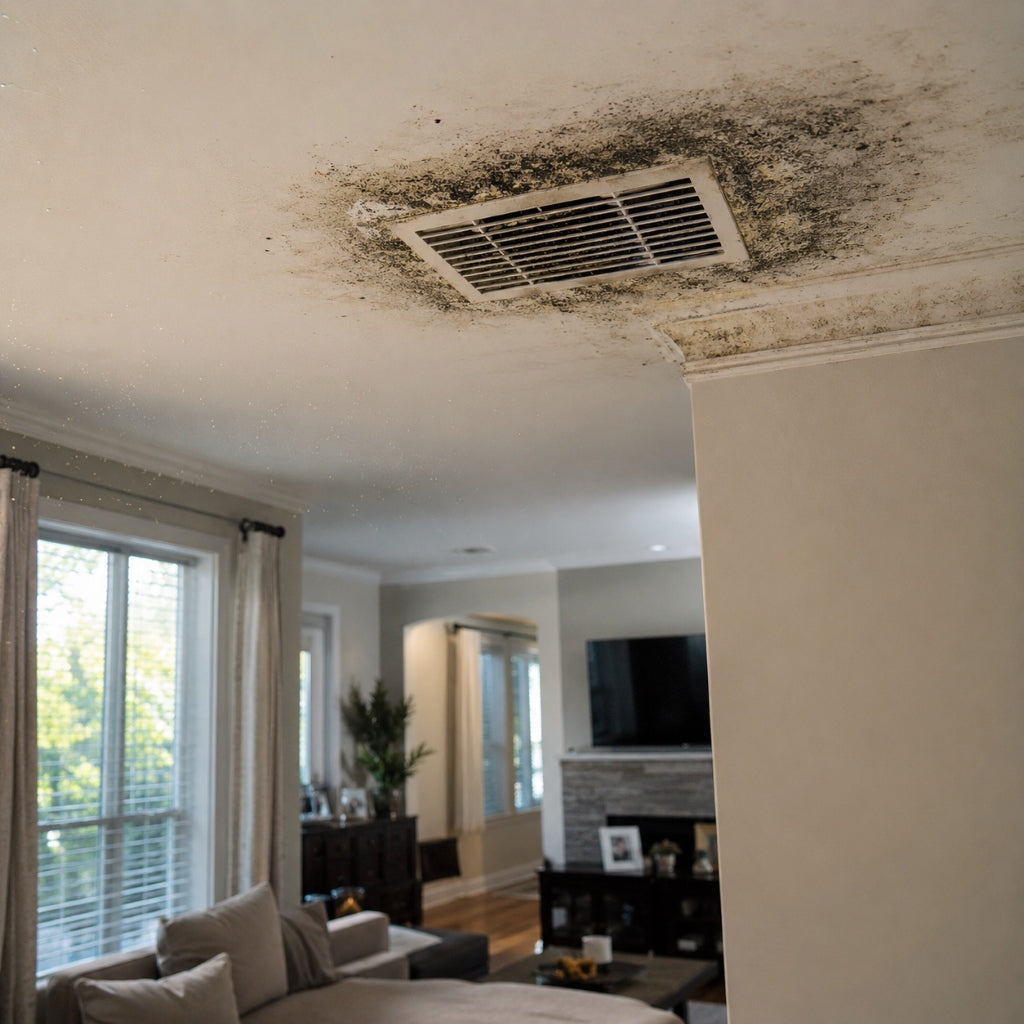
When temperatures rise, most homeowners rely on air conditioning to keep their homes cool and comfortable. But many people also wonder whether their HVAC system could be affecting indoor air quality. Can air conditioning spread mold1, bacteria3, dust, and other airborne pollutants throughout a home?
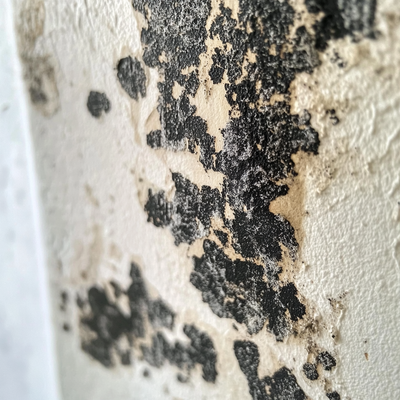
The short answer is yes, it can happen when moisture, dust, and organic debris build up inside the system. Air conditioning does not create mold on its own, but if mold or bacteria are already present inside HVAC components, the system may circulate those particles through the air as it runs.
Understanding how this happens can help homeowners take practical steps to maintain cleaner indoor air, reduce unwanted contaminants, and support a healthier home environment.
How Air Conditioning Can Affect Indoor Air Quality
Your air conditioning system constantly moves air through return vents, filters, ductwork, cooling coils, and supply vents. Over time, dust, moisture, pet dander, and other organic particles can collect inside these areas.
When moisture from condensation combines with dust or debris, conditions may develop that allow mold1 and other contaminants to persist inside the system.
Common HVAC areas where contamination may occur include:
- Evaporator coils
- Condensate drain pans
- Air ducts
- Air filters
- Return vents
- Supply registers
- Insulation around ductwork
Once contaminants are present, airflow from the HVAC system can carry particles into occupied rooms. This is why homeowners often search for terms like air conditioning mold, HVAC mold spread, bacteria in air ducts, and can AC spread mold when they notice musty odors or worsening indoor air quality.

Why Mold Can Grow Inside HVAC Systems
Air conditioners naturally remove moisture from indoor air as part of the cooling process. As warm air passes over the cooling coil, condensation forms and is usually drained away through the condensate system.
Problems can develop when that moisture is not properly managed. Mold1 may become a concern when:
- Condensate drain lines become clogged
- Drain pans hold standing water
- Indoor humidity stays too high
- Filters become dirty or clogged
- Ductwork develops condensation issues
- Leaks or water damage affect HVAC components
Under these conditions, mold spores may settle on damp surfaces and multiply. When the system turns on, airflow can disturb those particles and move them through the home.
Signs that your HVAC system may need attention include:
- Musty odors when the AC turns on
- Visible mold1 around vents or registers
- Increased dust near supply vents
- Indoor air that feels stale or heavy
- Persistent humidity or moisture problems
- Recurring allergy-like irritation indoors
Because moisture is one of the main contributors to mold growth, controlling humidity and maintaining the HVAC system are important first steps.
Can Bacteria Spread Through Air Conditioning?
Bacteria3 can also be a concern inside HVAC systems. Dust, moisture, and organic buildup may create environments where certain bacteria can persist on coils, drain pans, filters, or duct surfaces.
As air moves through contaminated areas, particles may be carried into the living space. This does not mean every air conditioning system has a bacteria problem, but it does mean regular maintenance plays an important role in indoor air quality.
Replacing filters, keeping the system clean, managing moisture, and scheduling professional inspections can all help reduce the buildup of pollutants inside HVAC equipment.
The Role of Air Ducts in Mold and Bacteria Circulation
Ductwork can collect years of dust, debris, pet dander, pollen, and other airborne particles. If moisture enters the duct system through leaks, condensation, flooding, or poor insulation, mold1 growth may develop on duct surfaces.
Contaminated ductwork may contribute to:
- Recirculation of airborne particles
- Musty or lingering odors
- Increased dust levels indoors
- Movement of mold spores through the home
- Circulation of fungal allergens1
If you suspect mold inside your ductwork, a professional HVAC or indoor air quality inspection can help identify the source of the problem. Cleaning may be needed in some cases, especially when there is visible contamination or a known moisture issue.
Why HVAC Filters Alone May Not Be Enough
HVAC filters are important, but they have limits. Traditional filters are designed to capture particles that pass directly through the filter media. They do not actively treat pollutants that have already settled on surfaces, duct walls, furniture, ceilings, floors, or other exposed areas.
That is why homeowners researching HVAC contamination often also look for:
- Air purifier for mold1
- Best air purifier for mold1
- Mold air purifier
- Air purifier mold solution
- Do air purifiers help with mold1?
- Can an air purifier help with mold1?
- Will an air purifier help with mold1?
Filtration is one part of the solution, but many homeowners want additional air purification support, especially in homes with moisture concerns, musty odors, pets, dust, or previous mold issues.
Can an Air Purifier Help with Mold?
An air purifier cannot fix the source of a mold1 problem. If there is a leak, standing water, high humidity, or contaminated HVAC equipment, those issues need to be addressed directly.
However, an air purifier can help reduce airborne mold spores and other particles circulating through indoor air. When used alongside moisture control, cleaning, and HVAC maintenance, air purification can be part of a broader indoor air quality strategy.
This is especially important because mold-related particles may not only move through the HVAC system. They can also settle on exposed surfaces and become airborne again through normal household activity.
How Puraclenz Photon Supports Whole-Home Air Purification
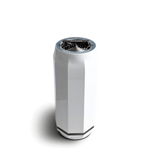
The Photon uses patented PCO Purification technology to produce ozone-free ions that proactively treat pollutants in the air and on exposed surfaces throughout the home.
Photon is designed to reduce mold1, viruses2, and bacteria3 both mid-air and on surfaces, helping address areas that traditional filtration alone may not reach.
Designed for spaces up to 3,000 square feet, Photon provides whole-home purification without relying on expensive HEPA filter replacements.
For homeowners concerned about HVAC mold spread, musty air, or airborne contaminants, Photon can serve as an additional layer of purification alongside routine HVAC maintenance and moisture control.
Puraclenz Core: HEPA Filtration Plus PCO Purification
For homeowners who want filtration and proactive purification in one system, the Core combines multiple air treatment technologies.
The Core features:
- Patented PCO Purification
- H13 True HEPA filtration
- Activated carbon filtration
- UV-C technology
- Pre-filtration for larger particles
The Core’s H13 True HEPA filter captures 99.97% of particles down to 0.1 microns, including dust, pollen, pet dander, mold1, bacteria3, and allergens4.
The Core also uses PCO Purification technology to proactively treat pollutants in the air and on exposed surfaces. Its integrated UV-C lamp is designed to reduce mycotoxins1, viruses2, bacteria3, and other pollutants captured within the system.
This multi-layered approach makes Core a strong option for homeowners searching for an air purifier for mold, especially when they want both HEPA filtration and surface-active purification technology.

HVAC Maintenance Still Matters
Even the best air purifier works best when paired with proper HVAC maintenance. If mold or bacteria are growing inside the system, the source of the problem still needs to be addressed.
Homeowners should consider the following steps:
- Replace HVAC filters regularly
- Clean supply and return vents
- Keep indoor humidity under control
- Inspect condensate drain lines
- Make sure drain pans are not holding standing water
- Schedule professional HVAC inspections
- Repair leaks and water damage quickly
- Clean contaminated ductwork when necessary
Reducing moisture is one of the most important ways to help manage mold concerns inside HVAC systems.
Final Thoughts: Can Air Conditioning Spread Mold and Bacteria?
Air conditioning systems can circulate mold1 spores, bacteria3, dust, allergens, and other airborne pollutants when contamination develops inside HVAC components. Moisture, dust buildup, dirty filters, clogged drains, and poor maintenance can all contribute to the problem.
Routine HVAC maintenance should always come first. Homeowners should address moisture problems, replace filters, clean vents, inspect drain systems, and seek professional help when visible mold or persistent odors are present.
For additional indoor air quality support, advanced air purification systems like Puraclenz Photon and Core can complement HVAC maintenance. By combining patented PCO Purification with air treatment technologies designed to reduce mold1, fungal allergens1, bacteria3, viruses2, and mycotoxins1, Puraclenz helps homeowners build a more complete strategy for cleaner indoor air.
Recommended products

Core Air & Surface Purifier + HEPA
$649.99

Photon Air & Surface Purifier
$399.99
Recommended articles

