 Free Shipping
 2-Year Warranty
 30-Day Money Back Guarantee



Best Air Purifiers for Winter: What to Look For

Winter can make maintaining clean indoor air more challenging. As temperatures drop, windows stay closed, heating systems run more frequently, and families spend more time indoors. These changes can allow dust, allergens, and other airborne pollutants to accumulate.
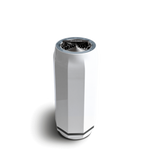
Choosing the best air purifier for winter can help reduce airborne pollutants and improve your home's indoor air quality. The Puraclenz Core C750 combines HEPA filtration with photocatalytic oxidation (PCO) technology, offering multiple approaches to air purification during the colder months.
In this guide, we'll explore what to look for in a winter air purifier, how different purification technologies work, and practical ways to maintain cleaner indoor air.

Why Indoor Air Quality Gets Worse in Winter
Indoor air quality often changes during winter because homes receive less natural ventilation. Closed windows and doors help retain heat, but they can also allow indoor pollutants to build up.
Several factors contribute to winter indoor air quality concerns:
- Reduced ventilation: Closed windows limit fresh air exchange, allowing indoor pollutants to remain inside longer.
- Heating systems: Furnaces and HVAC systems can redistribute dust, pet dander, and other airborne particles.
- More indoor activity: Cooking, cleaning, and spending more time at home can increase indoor pollutant levels.
- Dry indoor air: Heating can lower relative humidity, contributing to dry skin, irritated eyes, and respiratory discomfort.
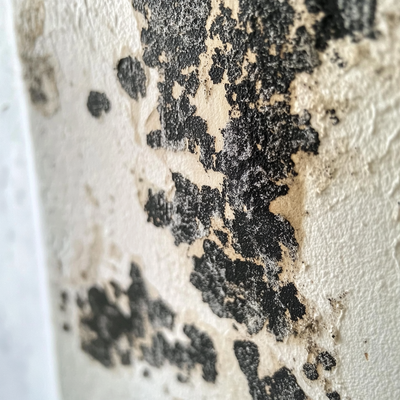
- Moisture buildup: Condensation around cold windows and poorly ventilated areas can create conditions favorable for mold growth.
These seasonal changes make winter an important time to review your home's ventilation, cleaning habits, and air purification needs.
What to Look for in the Best Air Purifier for Winter
The right winter air purifier depends on your room size, indoor air quality concerns, and preferred purification technology. Here are five important features to consider.
1. Room Coverage and Airflow
Choose an air purifier designed for the space where you plan to use it. A small bedroom and a large open-concept living room have different airflow requirements.
Consider the room's square footage, ceiling height, layout, and how frequently the area is occupied.
For filter-based air purifiers, review the clean air delivery rate (CADR) and recommended room coverage. These measurements help indicate how effectively a unit removes airborne particles from a particular space.
2. Air Purification Technology
Different air purifiers use different technologies to address indoor pollutants.
HEPA filtration captures airborne particles, including dust, pollen, pet dander, and mold spores, as air passes through the filter.
Photocatalytic oxidation (PCO) uses a light-activated catalyst to generate chemical reactions that can break down certain contaminants under appropriate operating conditions.
Some air purifiers combine multiple technologies to address different indoor air quality concerns.
When comparing systems, look for documented performance testing and clear information about the pollutants each technology is designed to address.
3. Performance Against Indoor Pollutants
Winter air quality concerns often include airborne dust, allergens, odors, and pollutants generated by everyday household activities.
HEPA filters capture airborne particles, while activated carbon can help reduce certain odors and gaseous pollutants. PCO technology may provide additional treatment of certain contaminants, depending on the system's design and operating conditions.
Choose an air purifier with performance information that addresses your specific indoor air quality needs.
4. Noise Levels and Everyday Comfort
Air purifiers often operate for extended periods, particularly during winter when windows remain closed.
If you plan to use one in a bedroom, nursery, or home office, check its operating noise levels and available settings.
Quiet operation makes it easier to use an air purifier consistently without disrupting sleep, work, or daily activities.
5. Maintenance and Replacement Costs
The purchase price is only part of the cost of owning an air purifier. Filters, lamps, and other components may require periodic replacement.
Before purchasing, review:
- Filter and component replacement schedules.
- Replacement part availability and pricing.
- Cleaning and maintenance requirements.
- Energy consumption and operating costs.
- Manufacturer warranties and support.
Understanding these expenses helps you compare long-term ownership costs instead of focusing only on the initial price.
Why Consider the Puraclenz Core for Winter?
The Core combines several air purification technologies in one system, making it an option for homeowners looking to address multiple indoor air quality concerns during winter.
Unlike air purifiers that rely on a single purification method, the Core combines:
- PCO technology, which uses a light-activated catalyst as part of its purification process.
- H13 HEPA filtration, which captures airborne particles such as dust, pollen, pet dander, and mold spores.
- UV-C technology, which provides an additional treatment component within the system.
- Activated carbon, which helps reduce certain odors and gaseous pollutants.
The Core's HEPA filtration is rated to cover up to 788 square feet in 30 minutes or 1,575 square feet in 60 minutes. Its PCO technology is designed for coverage of up to 3,000 square feet, according to manufacturer specifications.
These coverage figures describe different purification functions and should not be treated as interchangeable.
The Core also carries UL 2998 zero-ozone verification, an important consideration when comparing air purification technologies.
For households concerned about winter dust, airborne allergens, and limited ventilation, combining particle filtration with PCO technology offers a broader approach to indoor air purification.
HEPA vs. PCO Air Purifiers: What's the Difference?
Understanding the differences between HEPA filtration and PCO technology can help you choose an air purifier that meets your winter indoor air quality needs.
How HEPA Air Purifiers Work
High-Efficiency Particulate Air (HEPA) filters capture airborne particles as air passes through dense filter media.
HEPA filtration can help reduce:
- Household dust.
- Pollen and pet dander.
- Airborne mold spores.
- Fine airborne particles.
However, HEPA filtration does not remove gaseous pollutants or actively treat contaminated surfaces. Captured particles remain in the filter until it is replaced or maintained according to manufacturer instructions.
How PCO Air Purifiers Work
Photocatalytic oxidation uses light energy and a catalyst to initiate chemical reactions that can transform certain contaminants.
Unlike HEPA filtration, PCO does not rely exclusively on trapping particles in a mechanical filter. Its effectiveness depends on the system, contaminants, environmental conditions, and available performance testing.
PCO systems should also be evaluated for potential byproducts, including ozone and other secondary pollutants.
Which Technology Is Better for Winter?
Neither technology is automatically better for every household.
HEPA filtration captures airborne particles, while PCO technology uses a different mechanism to treat certain contaminants.
For homeowners interested in both approaches, a combined system such as the Core offers HEPA filtration alongside PCO purification.
Where Should You Place an Air Purifier in Winter?
Proper placement helps an air purifier circulate air effectively throughout a room.
Consider these common locations:
- Living rooms: Choose an open location in a frequently occupied area.
- Bedrooms: Position the purifier where it can operate without disrupting sleep or blocking walkways.
- Home offices: Place the unit away from furniture that could restrict airflow.
- Shared spaces: Consider rooms where family members and pets spend the most time.
Avoid placing air purifiers behind large furniture, inside enclosed corners, or too close to walls if doing so restricts airflow.
Always follow the manufacturer's placement recommendations. Larger homes or multiple enclosed rooms may require more than one unit.
6 Ways to Improve Indoor Air Quality During Winter
An air purifier can help reduce certain indoor pollutants, but it works best alongside good ventilation and regular home maintenance.
1. Replace HVAC Filters Regularly
Inspect and replace furnace or HVAC filters according to the manufacturer's recommendations. Clean filters help maintain airflow and capture particles circulating through the system.
2. Monitor Indoor Humidity
Keep indoor humidity at an appropriate level, generally between 30% and 50%, while avoiding condensation on cold surfaces. Excess moisture can encourage mold growth, while overly dry air may cause discomfort.
3. Clean Dust-Prone Areas
Vacuum carpets, dust furniture, and wash bedding regularly to reduce the buildup of household particles and allergens.
4. Use Kitchen and Bathroom Ventilation
Turn on exhaust fans while cooking or showering to help remove moisture and pollutants at their source. Use fans that vent outdoors whenever possible.
5. Improve Fresh Air Ventilation
When outdoor conditions allow, introduce fresh air through suitable ventilation methods. Mechanical ventilation systems can also help maintain air exchange without relying entirely on open windows.
6. Run Your Air Purifier Consistently
Many air purifiers are designed for extended use. Follow the manufacturer's operating instructions and maintenance schedule to support consistent performance throughout winter.
How to Choose the Right Winter Air Purifier
Before buying an air purifier, use this checklist to narrow your options:
- Measure the room or area you want to purify.
- Check manufacturer coverage ratings and airflow performance.
- Identify your primary concerns, such as dust, allergens, or odors.
- Compare HEPA, PCO, activated carbon, and other technologies.
- Review independent testing and emissions information.
- Consider noise levels and operating convenience.
- Compare maintenance schedules and replacement costs.
- Choose a system suited to your home's layout and air quality needs.
The best winter air purifier is not necessarily the most expensive model. It is one that provides suitable coverage, documented performance, and practical features for everyday use.
Make Cleaner Indoor Air a Priority This Winter
Closed windows, increased heating, and more time indoors can make winter air quality a concern for many households.
Choosing an appropriately sized air purifier, maintaining your HVAC system, controlling humidity, and improving ventilation can help create a cleaner indoor environment.
The Core combines several purification technologies to address different indoor air quality concerns, making it an option for homeowners looking to improve their winter air purification strategy.
Explore the Puraclenz Core C750 to learn more about its H13 HEPA filtration, PCO technology, room coverage, and maintenance requirements.

Frequently Asked Questions About Winter Air Purifiers
What is the best air purifier for winter?
The best air purifier for winter depends on your room size and indoor air quality concerns. Look for appropriate room coverage, effective particle filtration, documented performance, and manageable maintenance costs.
Are air purifiers worth using in winter?
Air purifiers can help reduce certain airborne pollutants during winter, when homes often have less natural ventilation. They work best alongside regular cleaning, pollutant source control, and adequate ventilation.
Should I run my air purifier all day in winter?
Many air purifiers are designed for continuous operation. Follow the manufacturer's recommendations for operating settings, maintenance, and placement.
Does an air purifier help with winter dust?
Air purifiers with appropriate particle filtration can help capture airborne dust. Regular vacuuming, surface cleaning, and HVAC filter maintenance also help control household dust.
Is HEPA or PCO better for indoor air quality?
HEPA filtration captures airborne particles, while PCO technology uses light-activated chemical reactions to treat certain contaminants. The right choice depends on your indoor pollutants of concern and the system's verified performance.
Where should I put an air purifier during winter?
Place your air purifier in a frequently occupied room with sufficient space for airflow. Bedrooms, living rooms, and home offices are common locations. Avoid blocking the unit's air intake or outlet.
Can air purifiers replace ventilation during winter?
No. Air purifiers can help reduce certain indoor pollutants, but they do not replace fresh air ventilation. A complete indoor air quality strategy should include ventilation, pollutant source control, moisture management, and appropriate air purification.
Recommended products

Core Air & Surface Purifier + HEPA
$454.99
Recommended articles

