 Free Shipping
 2-Year Warranty
 30-Day Money Back Guarantee



Best Air Purifiers for Smoke and VOCs: What to Look for in Cleaner Indoor Air
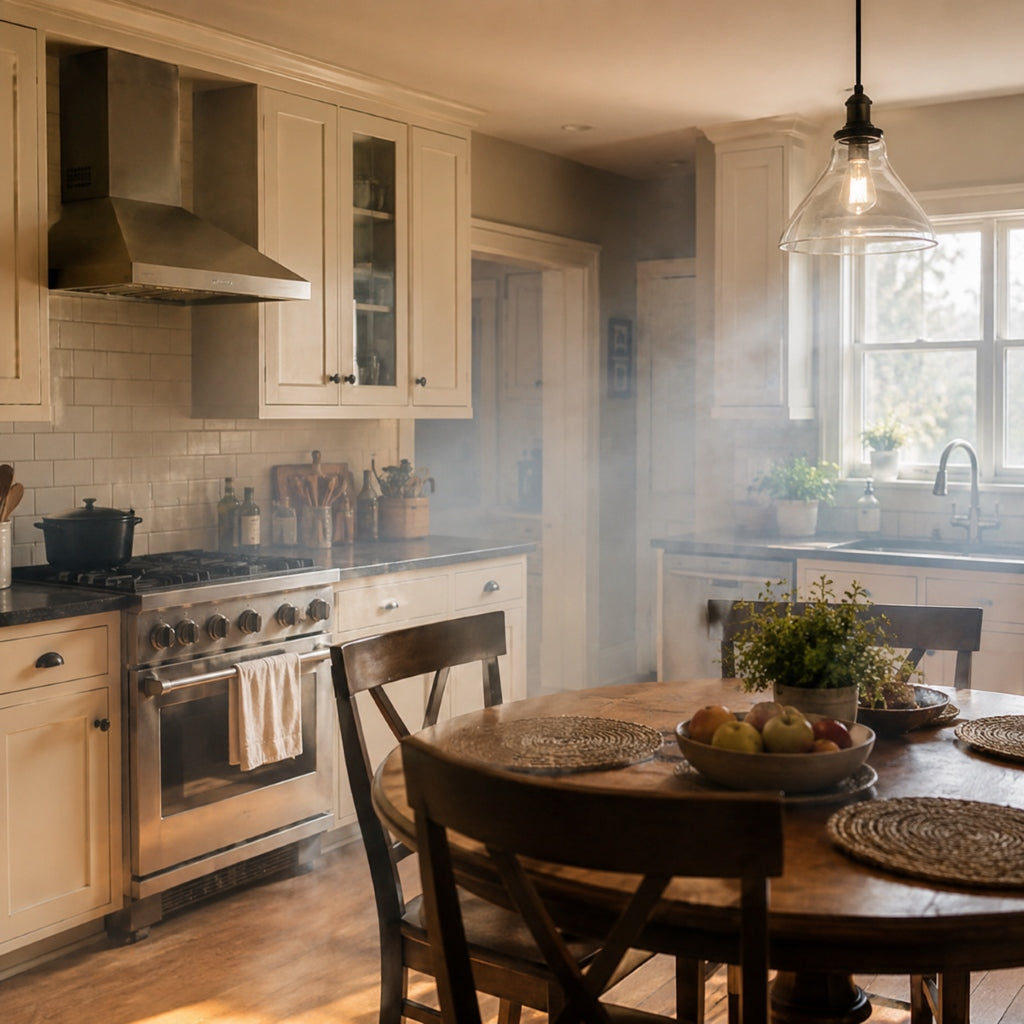
Smoke, odors, and chemical gases can quickly affect the air inside your home. Wildfire smoke, cooking fumes, tobacco smoke, new furniture, paint, cleaning products, and building materials can all release pollutants into indoor spaces.
Some pollutants, like smoke particles, are easier to see or smell. Others, like volatile organic compounds, or VOCs, are invisible gases that can linger indoors. If you are looking for the best air purifier for smoke and VOCs, it helps to understand which technologies target particles, odors, and gases.
What Are Smoke and VOCs?
Smoke is a mixture of fine particles, gases, and odors. The exact pollutants depend on the source. Wildfire smoke, cigarette smoke, and cooking smoke can each introduce different contaminants into the air.
VOCs are gases released by many common household materials and products. They may come from:
- Paints and varnishes
- Cleaning supplies
- Air fresheners
- New furniture and carpets
- Building materials
- Tobacco smoke
- Cooking fumes
Because smoke and VOCs behave differently, the most effective air purifier for smoke and VOCs usually uses more than one purification technology.

Why HEPA Filtration Alone May Not Be Enough
Many people searching for an air purifier for smoke focus on HEPA filtration. HEPA filters are important because they capture fine airborne particles, including many particles associated with smoke.
HEPA filtration can help capture:
- Smoke particles
- Dust
- Pollen
- Pet dander
- mold 1 spores
- allergens 4
However, VOCs are gases, not particles. Smoke odors and chemical smells may also require additional filtration. That is why the best air purifier for smoke often combines HEPA filtration with activated carbon and other advanced purification technologies.
Why Activated Carbon Matters for Smoke and VOCs
An air purifier with an activated carbon filter uses porous carbon material to help adsorb certain gases and odors. Activated carbon is commonly used in smoke and VOC air purifiers because it targets pollutants that HEPA filters are not designed to capture.
Activated carbon can help reduce:
- Smoke odors
- Cooking odors
- Certain VOCs
- Chemical smells
- General household odors
HEPA and activated carbon are often used together because they address different problems. HEPA captures particles, while activated carbon helps manage odors and certain gases.
What Makes a Good VOC Air Purifier?
A quality VOC air purifier should be designed to address more than one type of indoor pollutant. No single technology handles every contaminant equally, so a layered approach is often best.
1. True HEPA Filtration
True HEPA filtration helps capture fine airborne particles from smoke, dust, pollen, and other airborne debris.
2. Activated Carbon Filtration
Activated carbon helps adsorb smoke odors, chemical smells, and certain volatile organic compounds.
3. Advanced Purification Technology
Some air purifiers use technologies beyond traditional filtration to interact with airborne pollutants throughout the room.
4. Proper Room Coverage
The air purifier should be sized for the room where it will be used. A unit that is too small may not circulate and treat the air effectively.
5. Ozone-Free Operation
When choosing an air purifier for smoke and VOCs, look for systems designed to operate without producing ozone.
Smoke Filtration Works Best with Multiple Technologies
Effective smoke filtration usually requires addressing particles, odors, and gases at the same time.
- HEPA filtration captures fine smoke particles.
- Activated carbon helps reduce odors and certain VOCs.
- Advanced purification technologies may help address pollutants beyond the filter itself.
This multi-stage approach can be especially helpful during wildfire season, after cooking, in homes affected by tobacco smoke, or in spaces with lingering chemical odors.
Why Cigarette Smoke Is Hard to Remove
Many people search for the best air purifier for cigarette smoke because cigarette smoke is especially difficult to manage indoors. It contains a complex mix of fine particles, odors, gases, and residue that can settle on surfaces.
Cigarette smoke may include:
- Fine particulate matter
- Persistent odors
- VOCs such as formaldehyde
- Residue on walls, furniture, and fabrics
Because cigarette smoke contains both particles and gases, a multi-stage air purifier with HEPA and activated carbon is a better choice than particle filtration alone.
Puraclenz Core: Multi-Stage Purification for Smoke and VOCs
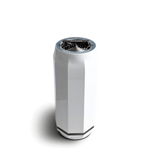
The Puraclenz Core is designed to support cleaner indoor air by combining several purification technologies in one system. This layered design helps address a wide range of indoor pollutants, including smoke particles, odors, and certain VOCs.
The Core uses:
- H13 True HEPA filtration
- Activated carbon filtration
- Patented PCO purification technology
- UV-C purification
- Pre-filtration stages
The H13 HEPA filter captures fine airborne particles, including particles associated with smoke. The activated carbon filter helps reduce odors and certain VOCs, including smoke-related chemical gases such as formaldehyde.
The Core also uses patented Photocatalytic Oxidation, or PCO, technology. This technology generates ozone-free ions designed to interact with pollutants in the air and on exposed surfaces.
The Core provides:
- Air and surface purification support
- Coverage for large indoor spaces
- Activated carbon for odor and VOC reduction
- HEPA filtration for smoke particles
- Intelligent air quality monitoring features
The Core replacement filter includes approximately 250 grams of activated carbon along with its H13 HEPA filter, giving the system added support for smoke odors and VOC management.
Who Should Consider a Smoke and VOC Air Purifier?
A smoke air purifier or VOC air purifier may be helpful for many indoor environments, especially spaces affected by odors, fumes, or airborne particles.
It may be useful for:
- Homes affected by wildfire smoke
- People sensitive to smoke odors
- Kitchens with frequent cooking fumes
- Spaces exposed to cigarette or tobacco smoke
- Newly renovated homes with paint, flooring, or furniture odors
- Rooms with chemical smells from cleaning products or household materials

How to Choose the Best Air Purifier for Smoke and VOCs
When comparing the best air purifiers for smoke and VOCs, ask these questions:
- Does it include True HEPA filtration?
- Does it use activated carbon?
- How much activated carbon does the filter contain?
- What room size is the purifier designed for?
- Does it include additional purification technologies?
- Is the system designed to operate ozone-free?
- Does it address both particles and gases?
A strong air purifier for smoke and VOCs should do more than capture dust. It should be designed to reduce fine particles, help manage odors, and support cleaner indoor air in the spaces where you spend the most time.
Final Thoughts
Indoor air quality problems rarely come from one source. Smoke can introduce particles, odors, and gases, while VOCs can come from everyday household products, furniture, building materials, and cleaning supplies.
If you are looking for the best air purifier for smoke, a VOC air purifier, or an air purifier with an activated carbon filter, look for a system that combines multiple technologies. HEPA filtration, activated carbon, UV-C purification, and advanced purification methods can work together to address a broader range of indoor pollutants.
The Puraclenz Core brings these technologies together with H13 HEPA filtration, activated carbon, UV-C purification, and patented PCO technology to support cleaner indoor environments and help address smoke-related pollutants and VOCs.
Recommended products

Core Air & Surface Purifier + HEPA
$649.99
Recommended articles

