 Free Shipping
 2-Year Warranty
 30-Day Money Back Guarantee


Best Air Purifiers for Fall Allergies: What to Look for Before You Buy
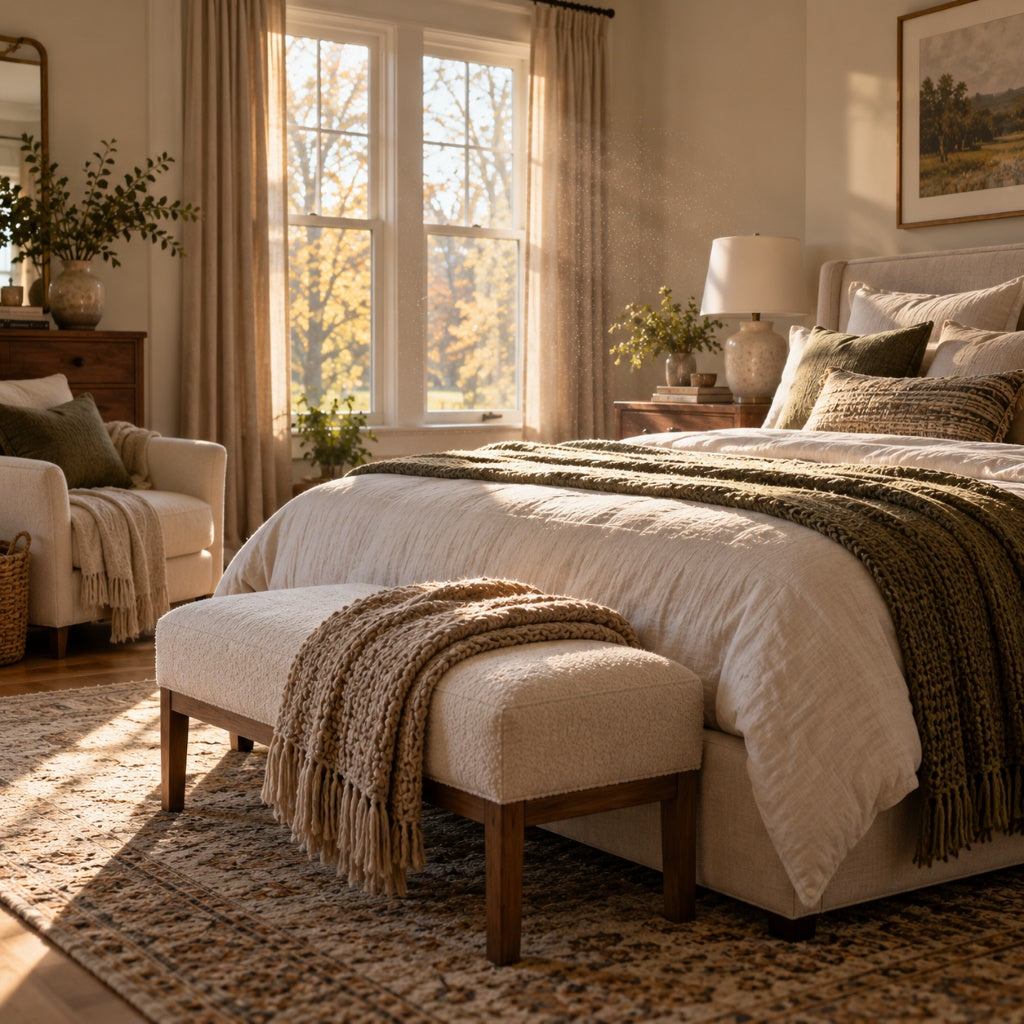
Fall can bring a new wave of indoor air quality concerns. Ragweed pollen reaches its seasonal peak in many areas, windows stay closed more often, pets spend more time indoors, and accumulated dust may begin circulating when heating systems are turned back on.
If you're searching for the best air purifier for fall allergies, choosing the right technology matters. Not every air purifier is designed to address the same pollutants, and factors such as HEPA filtration, room coverage, noise level, maintenance, and additional purification technologies can make a significant difference.
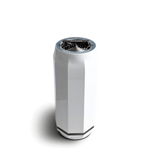
The Puraclenz Core combines H13 True HEPA filtration with PCO purification, activated carbon, and UV-C technology to address multiple categories of indoor pollutants.
Why Fall Allergy Season Can Affect Indoor Air Quality
Fall allergies are not limited to the outdoors. Pollen and other particles can easily make their way inside your home.
Ragweed pollen can enter through open doors and windows or be carried indoors on clothing, shoes, and pets. Once inside, pollen can settle on furniture, floors, bedding, and other surfaces. Dust and pet dander may also become more noticeable as people and pets spend more time indoors.
Heating systems can add another factor. When furnaces begin running again after months of inactivity, accumulated dust and other particles may start circulating throughout the home.
For households concerned about fall allergies, this makes autumn a good time to evaluate how well an air purifier captures airborne particles and whether it offers additional purification capabilities.
An air purifier with a HEPA filter can capture many small airborne particles, including pollen and pet dander. The Core uses an H13 True HEPA filter designed to trap 99.97% of dust, pollen, pet dander, allergens 4, bacteria 3, and mold 1 down to 0.1 micron.

What to Look for in the Best Air Purifier for Fall Allergies
When comparing air purifiers for fall allergy season, look beyond the filter alone. Coverage, noise, maintenance, and the types of pollutants the system is designed to address are also important.
1. True HEPA Filtration for Pollen and Allergens
Pollen is one of the biggest concerns during fall allergy season. A True HEPA filter is designed to capture small airborne particles, making it an important feature when comparing air purifiers for pollen, dust, and pet dander.
The Core uses H13 True HEPA filtration and provides HEPA filtration coverage for spaces up to 1,575 square feet. Its PCO purification technology provides coverage for spaces up to 3,000 square feet.
2. Coverage That Matches Your Space
An air purifier should be sized appropriately for the room or area where you plan to use it.
A smaller purifier may be suitable for a bedroom or home office, while an open living room or larger space may require greater coverage. Before purchasing, check the manufacturer's stated coverage and understand whether that rating applies to filtration, purification, or both.
The Core is a floor-standing air and surface purifier with PCO coverage up to 3,000 square feet and HEPA filtration coverage up to 1,575 square feet.
3. Protection Beyond Particle Filtration
HEPA filtration is designed to capture airborne particles, but some households may also want help addressing odors, VOCs, smoke, and other indoor pollutants.
The Core combines four technologies: PCO purification, activated carbon, UV-C, and H13 True HEPA filtration. Activated carbon helps address VOCs and odors, while PCO technology works on pollutants in the air and on exposed surfaces.
This broader approach may be especially useful during fall and winter, when homes often stay closed for longer periods and fresh-air ventilation may be reduced.
4. Quiet Operation for Everyday Use
If you plan to run an air purifier for long periods, noise level is worth considering.
A quiet air purifier can be easier to use in bedrooms, living rooms, offices, and other spaces where people spend significant amounts of time. The Core includes a Night Mode and operates at noise levels as low as 23 dB on its lowest setting.
5. Simple Filter Maintenance
Filter replacement is another important part of choosing an air purifier. A system may perform well, but ongoing maintenance should also fit your budget and routine.
Check how often filters need to be replaced, how easy replacements are to purchase, and whether the purifier provides a filter-change indicator.
The Core's filter is designed for replacement every 4–6 months depending on the air quality of the installation space, assuming continuous 24/7 use. Indicator lights notify users when it is time to order and replace the filter.
Are Air Purifiers Worth It for Fall Allergies?
Air purifiers can be useful during fall allergy season when the technology matches the pollutants you are trying to address.
If airborne pollen is your primary concern, True HEPA filtration should be a priority. If you are also concerned about pet dander, dust, odors, VOCs, smoke, or other indoor pollutants, you may want a system that combines HEPA filtration with additional air purification technologies.
Rather than choosing the purifier with the longest feature list, focus on the features that are most relevant to your home and indoor air concerns.
For fall allergies, consider looking for:
- True HEPA filtration for airborne pollen and particles
- Coverage appropriate for the size of your room or home
- Filtration designed to capture pollen, dust, and pet dander
- Activated carbon for odors and VOCs
- Additional purification technology for broader pollutant coverage
- Quiet operation for bedrooms and everyday use
- Simple filter replacement and maintenance
What to Look for in Ragweed Air Purifier Reviews
When reading ragweed air purifier reviews, pay attention to what reviewers are actually evaluating.
Some reviews focus heavily on noise, while others discuss filter costs, room coverage, odors, ease of use, or overall indoor air quality. For ragweed and seasonal pollen concerns, it is also important to confirm whether the purifier uses True HEPA filtration and what size space it is designed to cover.
A True HEPA filter is particularly relevant for ragweed because it is designed to capture small airborne particles, including pollen. The Core's H13 True HEPA filter is specified to trap 99.97% of pollen and other listed particles down to 0.1 micron.
Customer reviews can provide useful information about real-world use, but product specifications should also be reviewed before making a purchase.
Puraclenz Core for Fall Allergy Season
The Core is a 2-in-1 True HEPA and PCO air and surface purifier designed to address both airborne particles and a broader range of indoor pollutants.
Its purification system combines:
- PCO purification
- H13 True HEPA filtration
- Activated carbon
- UV-C technology
Together, these technologies are designed to address indoor pollutants including pollen, dust, pet dander, odors, VOCs, smoke, allergens 4, mold 1, bacteria 3, and viruses 2.
PCO technology uses a light-powered process to generate ions that work on pollutants in the air and on exposed surfaces.
For households looking for more than basic particle filtration, the combination of HEPA filtration, activated carbon, UV-C, and PCO technology provides a multi-technology option for fall indoor air quality concerns.
How to Choose the Right Air Purifier for Your Home
Start by identifying the specific indoor air concerns you want your purifier to address.
If pollen is your main concern, prioritize True HEPA filtration and appropriate room coverage. If odors and VOCs are also concerns, look for activated carbon. If you want a broader approach to indoor air purification, consider systems that combine filtration with additional purification technologies.
Think about where the purifier will be used as well. A bedroom may benefit from especially quiet operation, while coverage may be the higher priority in a large or open living area.
The best air purifier for your home ultimately depends on your space, indoor air concerns, maintenance preferences, noise tolerance, and how you plan to use the unit.

Fall Air Purifier Buying Checklist
Before choosing an air purifier for fall allergy season, ask:
- Does the purifier use True HEPA filtration?
- What size room or space does it cover?
- Is the stated coverage based on filtration, purification, or both?
- Is the filter designed to capture pollen, dust, and pet dander?
- Does it include activated carbon for odors and VOCs?
- Does it use any additional purification technologies?
- Is it quiet enough for bedrooms or nighttime operation?
- How often does the filter need to be replaced?
- How much will replacement filters and maintenance cost?
Final Thoughts: Choosing the Best Air Purifier for Fall Allergies
Finding the best air purifier for fall allergies becomes easier when you focus on the features that match your home's needs.
For pollen and other airborne particles, True HEPA filtration is an important consideration. Room coverage, noise level, maintenance, activated carbon, and additional purification technologies can also affect which purifier is the best fit for your space.
The Puraclenz Core combines H13 True HEPA filtration with PCO purification, activated carbon, and UV-C technology, giving households a multi-technology option for addressing pollen and a broader range of indoor pollutants.
If you're comparing air purifiers for fall allergy season, start with your home's size, your primary indoor air concerns, and the features you are most likely to use every day.
Recommended products

Core Air & Surface Purifier + HEPA
$649.99

