 Free Shipping
 2-Year Warranty
 30-Day Money Back Guarantee



Pollen vs Dust Indoors: What’s Affecting Your Air Most?
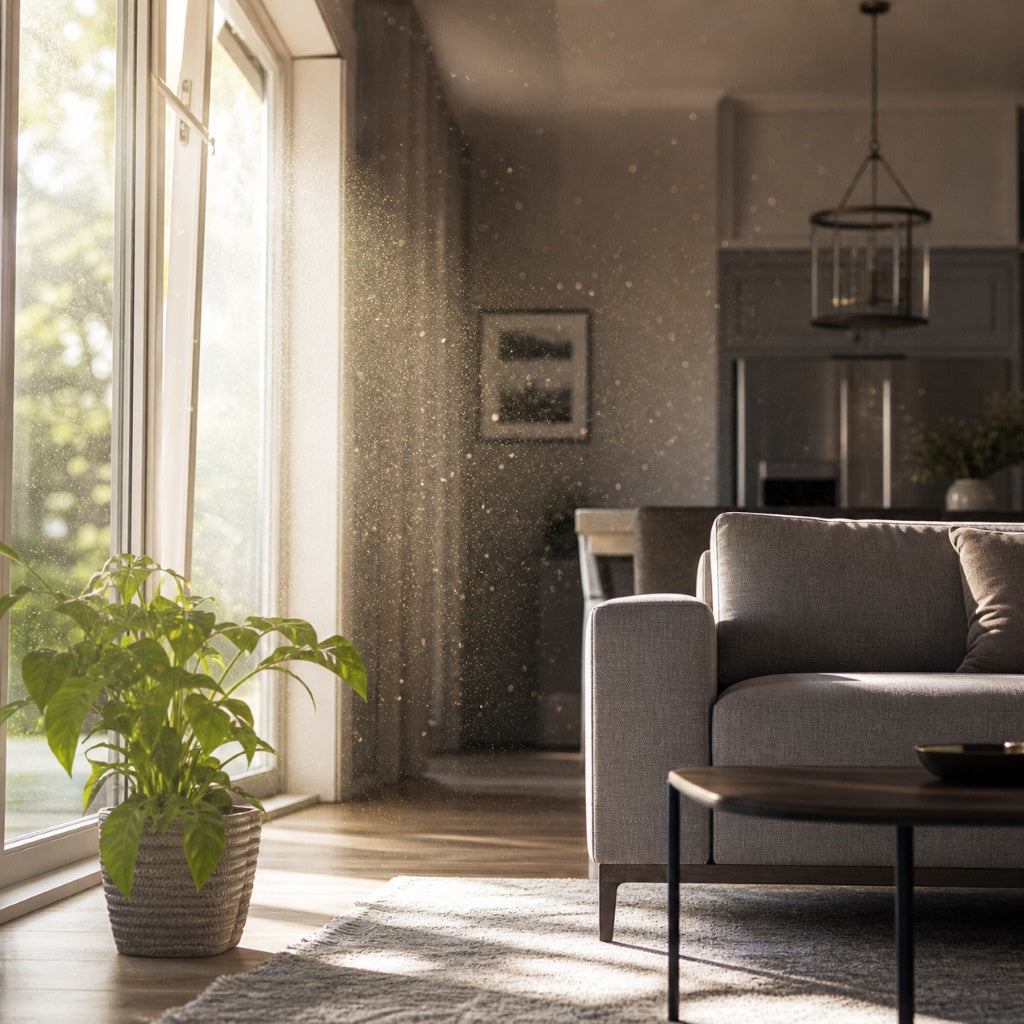
When indoor air feels uncomfortable or triggers irritation, many homeowners assume it’s just “dust.” But in reality, the issue is often more complex. Understanding pollen vs dust indoors is key to identifying what’s actually circulating in your space, and why symptoms may seem worse at certain times of year.
Both pollen and dust are common indoor particles, yet they behave differently, come from different sources, and impact your environment in unique ways. Knowing the difference can help you take more effective steps toward cleaner indoor air.
What Is Pollen Indoors?
Pollen is a fine, powder-like substance released by trees, grasses, and weeds. While it originates outdoors, it easily enters your home through open windows, doors, clothing, and pets. Once inside, pollen can settle on surfaces or remain suspended in the air.
Unlike heavier particles, pollen is lightweight and seasonal, meaning levels can spike dramatically during spring and fall. Many people notice increased sensitivity during these periods, which is why pollen is often associated with seasonal allergies.

What Is Dust Made Of?
Dust is a mixture of many different indoor particles. It can include:
- Dead skin cells
- Fabric fibers
- Pet dander
- Dust mite debris
- Outdoor particles like pollen tracked inside
Because dust is made up of multiple components, it is present year-round and continuously circulates through your home. It tends to settle on surfaces but can easily become airborne again through movement, cleaning, or airflow.
This is why many homeowners begin asking questions like does an air purifier help with dust when they notice buildup returning quickly after cleaning.
Pollen vs Dust Indoors: Key Differences
While both are classified as indoor particles, pollen and dust behave differently in your environment:
- Source: Pollen comes from outdoors, while dust is largely generated indoors.
- Seasonality: Pollen levels fluctuate with seasons; dust is constant.
- Particle Size: Pollen particles are typically larger but lighter, while dust contains a range of particle sizes.
- Movement: Pollen can stay airborne longer, while dust settles but is easily disturbed.
This distinction is important when addressing indoor air quality, especially when trying to determine whether pollen or dust is the primary contributor to discomfort.
Dust vs Pollen Symptoms
Because both pollen and dust contain allergens 4, they can trigger similar reactions. However, there are subtle differences:
- Pollen-related symptoms: Often seasonal, including sneezing, watery eyes, and irritation that worsens when windows are open.
- Dust-related symptoms: More consistent throughout the year, often triggered by cleaning, bedding, or indoor movement.
In many homes, both sources contribute at the same time, making it difficult to pinpoint the exact cause without addressing overall indoor particles.
Why Indoor Particles Build Up
Your home constantly collects and recirculates particles. Everyday activities can easily release dust and pollen back into the air, including:
- Walking through high-traffic areas
- Vacuuming or dusting surfaces
- Sitting or moving on upholstered furniture
- Airflow changes from heating and cooling systems
HVAC systems can also move these particles from room to room if not properly maintained, allowing them to continuously circulate throughout your space.
As a result, people often wonder will an air purifier help with dust when they notice particles returning shortly after cleaning.
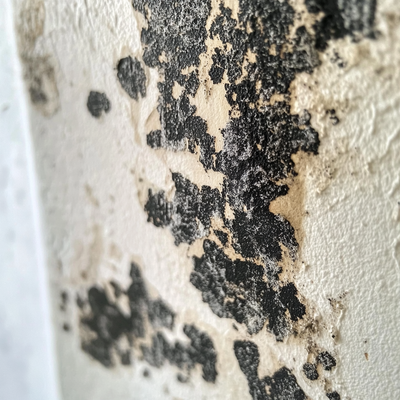
Additionally, indoor environments can contain other pollutants such as mold 1, mildew 1, bacteria 3, and even virus 2 particles, which can combine with dust and pollen to create a more complex indoor air environment.
Would an Air Purifier Help with Dust and Pollen?
This is one of the most common questions homeowners ask: would an air purifier help with dust? In many cases, the answer is yes, but it depends on the type of system you use.
Standard filtration systems, such as a HEPA-based allergy air purifier, are designed to capture airborne particles like dust, pollen, and pet dander as air passes through the filter. This is especially helpful for:
- Reducing visible dust floating in the air
- Capturing pollen during peak seasonal changes
- Managing pet dander and other common indoor particles
- Supporting overall air circulation through filtration
This leads many people to ask can an air purifier help with dust as they explore options for improving indoor air.
While filtration can be effective at trapping particles, it only works on air that passes directly through the unit. Particles that settle on surfaces can still re-enter the air later.
This is why many homeowners researching air purifiers for allergies start to look beyond basic filtration and ask more detailed questions like does air purifier help with dust in the long term.
Choosing the Right Air Purifier for Allergies and Dust
When searching for the best air purifier for allergies, it’s important to consider how the system handles both airborne and surface-level particles. Many traditional systems rely solely on HEPA filtration, such as a hepa air purifier for dust mites, which captures particles but does not address what settles around your home.
An effective allergy air purifier should account for the full lifecycle of indoor particles, including:
- Airborne particles actively circulating in the room
- Particles that settle on furniture, floors, and surfaces
- Resuspension of dust caused by daily activity
- Ongoing introduction of pollen from outside
Considering all of these factors helps create a more complete approach to managing indoor air.
How the Puraclenz Core Addresses Indoor Particles
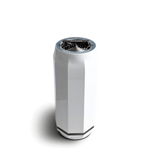
The Core is designed to manage both airborne and surface-level pollutants using a multi-layered approach. It combines H13 True HEPA filtration with advanced PCO purification technology to provide broader coverage throughout your space.
The system works through multiple layers of support, including:
- Capturing dust, pollen, and pet dander with H13 True HEPA filtration
- Addressing particles as small as 0.1 microns
- Treating air and surfaces beyond the filter using PCO purification
- Helping reduce the cycle of particles settling and becoming airborne again
Unlike systems that rely only on airflow, the Core continuously monitors indoor conditions and adjusts performance when particle levels increase, whether from dust buildup or seasonal pollen entering the home.
It also addresses a wide range of indoor pollutants, including mold 1, viruses 2, bacteria 3, and fungal allergens 1, providing more comprehensive indoor air management.

Consistent Air Treatment for Changing Indoor Conditions
Another advantage of the Puraclenz Core is how it adapts to real-life indoor conditions where dust and pollen are constantly shifting. Instead of relying on a single pass of air through a filter, the system continuously cycles and treats air throughout the room, helping manage particles that settle and become airborne again.
This becomes especially useful in environments where indoor particles fluctuate throughout the day, including:
- High-traffic living spaces where movement stirs up dust
- Homes with pets that contribute to ongoing particle buildup
- Seasonal changes when pollen levels rise and enter the home
- Daily activities like cleaning or vacuuming that reintroduce particles into the air
By maintaining consistent air movement and purification, the Core supports a more balanced indoor environment without requiring constant manual adjustments.
Final Thoughts: Understanding What’s in Your Air
When comparing pollen vs dust indoors, the reality is that most homes deal with both at the same time. Each behaves differently, but both contribute to the overall particle load in your space.
By understanding how these indoor particles enter, move, and settle, you can make more informed decisions about improving your indoor environment. Whether you're dealing with seasonal pollen spikes or year-round dust, the right strategy can make a noticeable difference in how your space feels day to day.
Recommended products

Core Air & Surface Purifier + HEPA
$649.99

